



Tactical Intervention in Strategic Waters
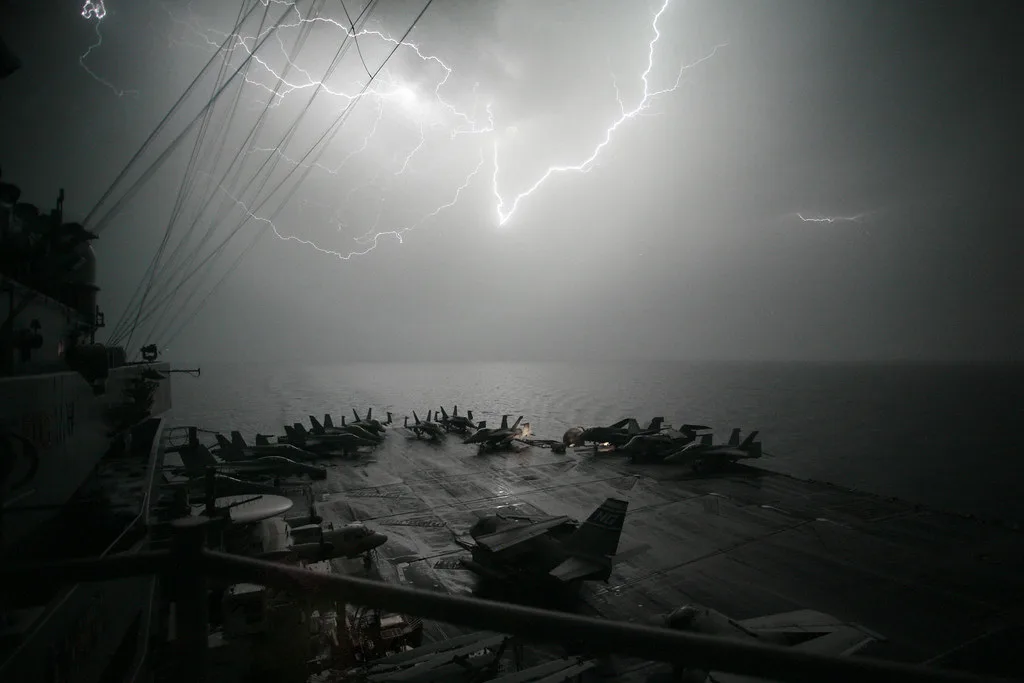
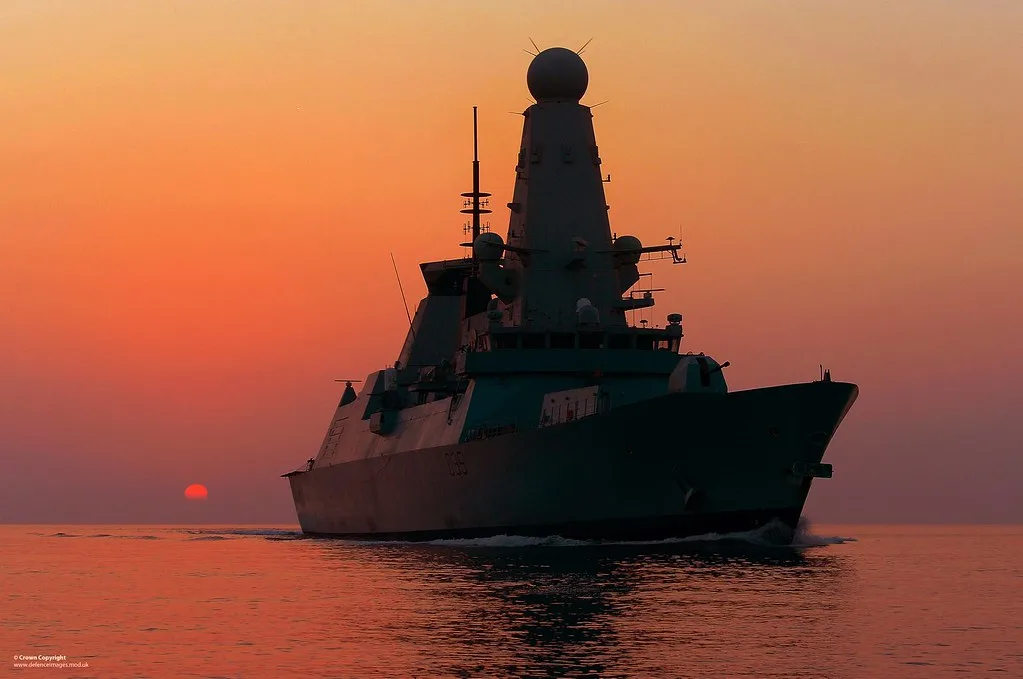
U.S. Central Command (CENTCOM) forces successfully disabled the propulsion system of a merchant vessel attempting to bypass the ongoing blockade of Iranian ports earlier this week. The operation, conducted in international waters, represents a significant escalation in maritime enforcement efforts designed to restrict the flow of illicit cargo into the region.
Military officials confirmed that the maneuver was a calculated response to the vessel’s refusal to comply with multiple warnings to alter its course. No casualties were reported during the engagement, which successfully neutralized the ship’s ability to navigate toward its original destination.
The Geopolitical Landscape of Maritime Security
The blockade of Iranian ports is a cornerstone of current U.S. sanctions policy, aimed at curbing the transport of prohibited goods, including military components and restricted industrial materials. This policy has transformed the Gulf region into a high-stakes arena for naval operations, where even minor incursions can trigger rapid military responses.
International law experts note that these maritime corridors are among the most sensitive in the world. The U.S. presence, characterized by consistent patrols and surveillance, is intended to maintain a regional status quo while preventing the evasion of international trade restrictions.
Operational Dynamics and Strategic Intent
The vessel involved in the incident reportedly attempted to mask its identity and transit path to evade detection by coalition sensors. By disabling the engine, U.S. forces effectively immobilized the threat without resorting to lethal force, a tactic that reflects a preference for surgical intervention over total destruction.
Data from maritime tracking firms indicates that smuggling attempts through these corridors have increased by approximately 15 percent over the last fiscal year. Analysts suggest that increased pressure from international sanctions has driven illicit actors to utilize increasingly sophisticated methods, including falsified manifests and deceptive transponder signals.
Expert Analysis on Maritime Enforcement
Defense analysts emphasize that the use of non-lethal disabling techniques is a deliberate shift in naval doctrine. “The objective is to disrupt supply chains while minimizing the risk of regional conflict,” says Dr. Elena Vance, a senior fellow at the Center for Maritime Security. “By disabling the ship, the military forces the vessel to stop without creating a humanitarian crisis or a wider naval confrontation.”
However, the move is not without its risks. The Iranian government has previously characterized such interventions as acts of aggression against its sovereignty. Observers remain concerned that a miscalculation in these tense waters could lead to an unintended rapid escalation involving regional proxies.
Future Implications and Regional Stability
For the shipping industry, this incident signals a period of heightened uncertainty. Commercial vessels operating in the Middle East face increased scrutiny, potentially leading to higher insurance premiums and longer transit times as companies implement stricter vetting processes for their cargoes.
Looking ahead, the focus will shift to how regional actors respond to the increasing frequency of these interdictions. Experts suggest watching for potential changes in naval patrol patterns and whether Tehran increases its own presence in response to the U.S. blockade enforcement. The coming weeks will likely see a surge in diplomatic rhetoric, as both sides utilize the incident to bolster their respective positions on the international stage.