





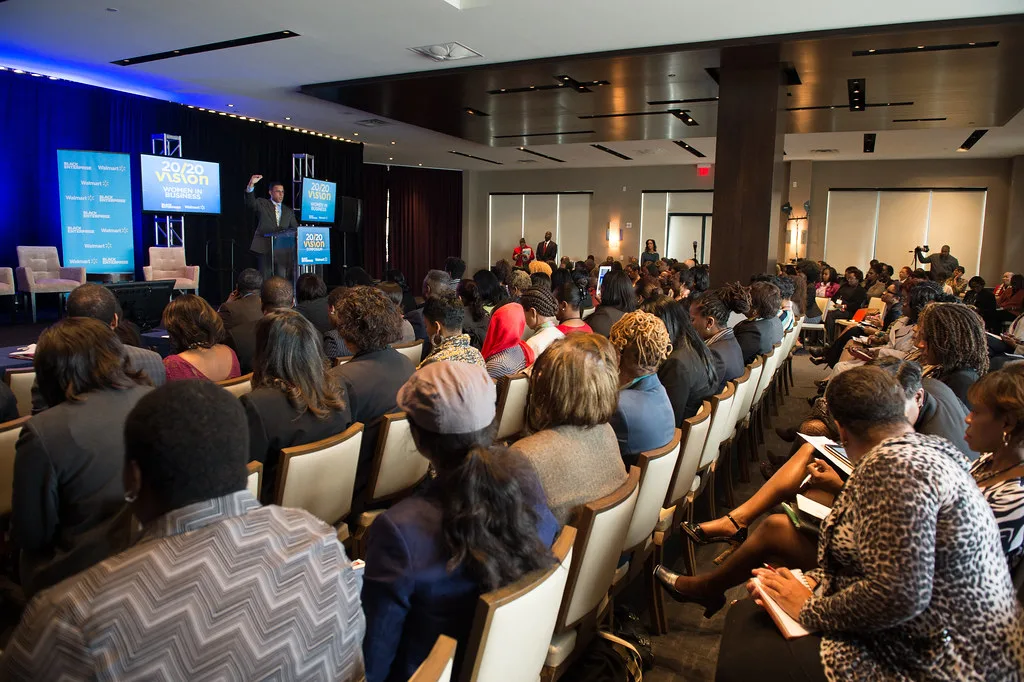
The New Mandate for Modern Leadership
Industry leaders gathered at the latest edition of The Hindu Huddle to address a critical question: how can executives effectively lead during periods of unprecedented global chaos, disruption, and volatility? Held in the context of a rapidly shifting economic landscape, the session titled ‘The Architecture of Leadership: Designing blueprints for a volatile world’ explored the transition from traditional management styles to more agile, purpose-driven frameworks.
Contextualizing the Crisis
The modern business environment is increasingly defined by the acronym VUCA—volatility, uncertainty, complexity, and ambiguity. Following years of pandemic-induced supply chain fractures, geopolitical tensions, and the rapid integration of artificial intelligence, organizational leaders are finding that legacy playbooks no longer guarantee survival. The discussion highlighted that the current era demands a shift from hierarchical command-and-control structures toward decentralized, resilient systems that prioritize long-term stability over short-term gains.
The Shift Toward Adaptive Resilience
Panelists at the forum emphasized that the primary responsibility of a leader today is not merely to mitigate risk, but to build organizational endurance. According to recent data from the World Economic Forum on future-readiness, companies that prioritize adaptive culture are 2.5 times more likely to outperform their peers during market downturns. Leaders are now tasked with fostering psychological safety, which encourages employees to innovate despite the fear of failure.
Furthermore, the session explored the role of empathy in leadership. While technical proficiency remains a baseline requirement, the ability to connect with a diverse, remote, and often anxious workforce has become the defining differentiator for successful CEOs. Experts argued that transparency is the most potent tool in a leader’s arsenal when navigating misinformation or institutional instability.
Data-Driven Insights on Organizational Health
Industry experts noted that the most successful organizations currently employ a ‘bimodal’ approach to leadership. This strategy involves maintaining core operational excellence while simultaneously dedicating resources to experimental, high-risk ventures. By balancing these two modes, firms can protect their current revenue streams while positioning themselves to capture growth in emerging sectors.
A recurring theme was the necessity of data literacy at the executive level. In a volatile world, intuition must be tempered by high-frequency data analysis. Leaders who fail to integrate real-time market signals into their decision-making process risk being blindsided by rapid technological shifts or sudden changes in consumer sentiment.
Looking Toward the Future
As organizations move forward, the focus will likely shift toward sustainable leadership models that account for environmental and social governance (ESG) as core business imperatives rather than peripheral concerns. Investors and employees alike are increasingly demanding that leadership blueprints align with ethical standards, suggesting that reputation management will become inseparable from operational strategy.
Observers of the industry should watch for an increase in cross-sector collaborations as companies seek to pool resources to tackle systemic challenges like climate change and digital security. The coming months will likely see a surge in leadership development programs that emphasize cognitive flexibility, as the ability to unlearn outdated methodologies becomes just as valuable as the ability to learn new skills.