





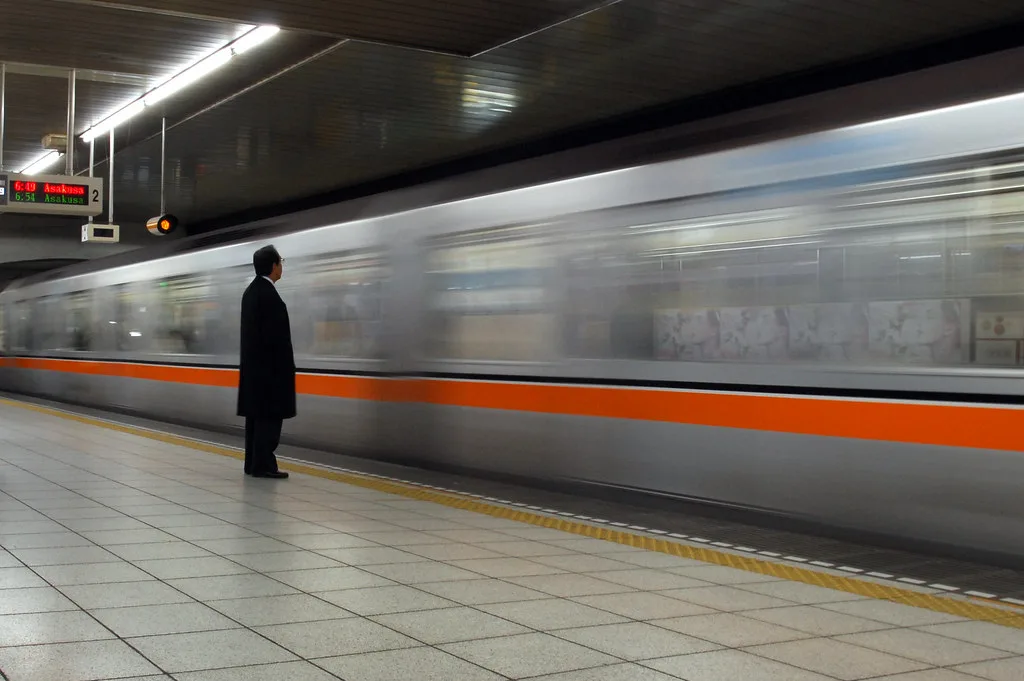
The parents of 20-year-old American college student James “Weston” Higginbotham are continuing an urgent search for their son, who vanished one week ago while vacationing with his family in Japan. Local authorities and search-and-rescue teams have intensified efforts across the region after the student was last seen boarding a train alone, a development that has left his family and investigators searching for answers regarding his sudden disappearance.
The Timeline of a Disappearance
Higginbotham was visiting Japan with his family when he went missing, marking the beginning of a harrowing week for his relatives. Security footage has since provided a critical lead, showing the young man entering a train station and boarding a carriage by himself.
This visual evidence has become the focal point of the ongoing investigation. While authorities have not yet determined his final destination or the intent behind his solitary travel, the discovery has narrowed the search radius to specific transit corridors.
Context and Regional Challenges
Japan is generally considered one of the safest countries for international travelers, making the disappearance of a foreign tourist particularly notable. However, the complexity of the Japanese rail network, which serves millions of passengers daily, presents a significant challenge for law enforcement agencies attempting to track individual movements.
Japanese police are currently coordinating with transit officials to review hours of surveillance footage from multiple interconnected stations. The investigation involves cross-referencing ticket data and station entry logs to determine where Higginbotham exited the rail system.
Expert Perspectives on Search Operations
Search-and-rescue experts suggest that the initial 72 hours are the most critical in missing persons cases, yet family members and volunteers are refusing to scale back their efforts. “We will find him,” his parents stated in an interview with CNN’s Anna Coren, emphasizing their resolve despite the lack of recent communication.
Industry analysts note that international tourism in Japan has surged to record levels following the pandemic, increasing the administrative burden on local authorities. Maintaining public safety in dense urban hubs while managing thousands of missing persons reports annually requires a delicate balance of technology and human intelligence.
Broader Implications for International Travel
For the travel industry, this incident highlights the importance of real-time communication protocols for families traveling abroad. Many travel security firms suggest that tourists utilize location-sharing features on mobile devices and maintain a detailed itinerary when visiting foreign countries.
The incident also underscores the complexities of navigating foreign transit systems where language barriers and digital privacy laws can complicate police investigations. Travelers are increasingly being advised to register their presence with their home country’s embassy or consulate, a measure that can significantly expedite assistance in the event of an emergency.
Observers are now watching for any new leads from regional transit authorities as the search enters its second week. Future developments will likely depend on whether investigators can track the student’s movements beyond the initial train ride, potentially revealing whether he arrived at a specific destination or disembarked at a secondary location.