





Securing the Skies Over Major Sporting Events
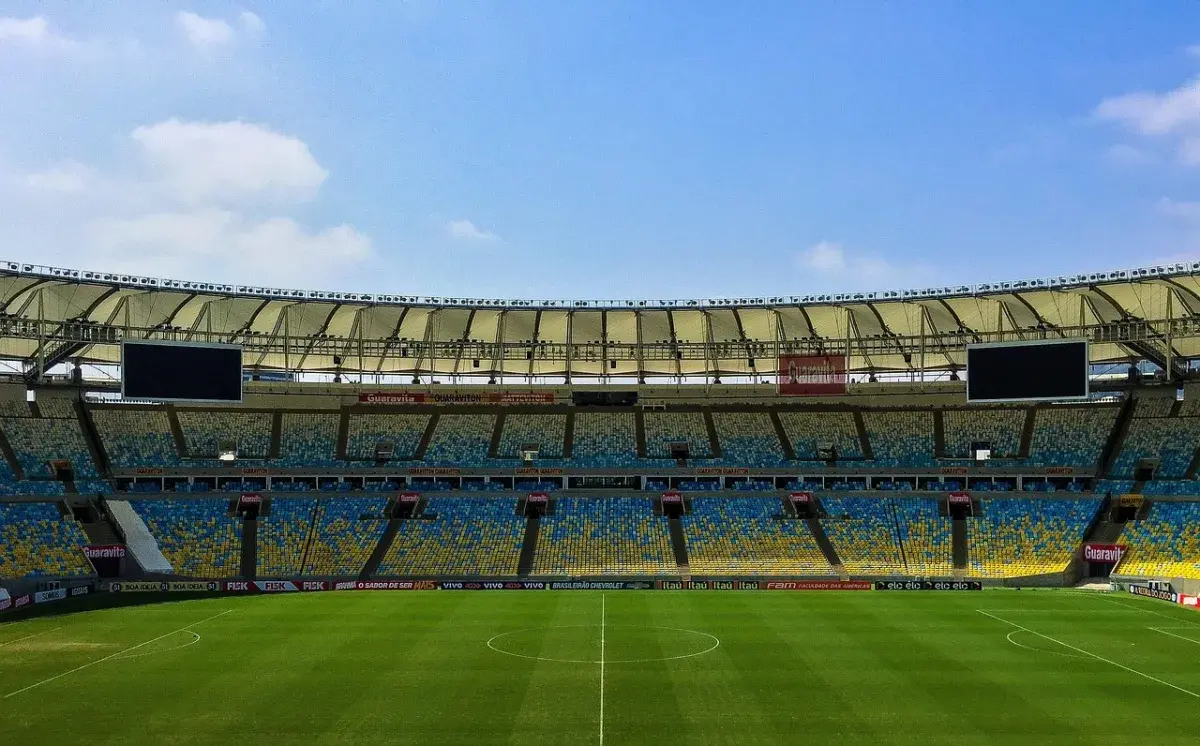
The Federal Bureau of Investigation (FBI) is finalizing a comprehensive drone security strategy to safeguard the upcoming FIFA World Cup games, which will be hosted at various stadiums across the United States. As millions of spectators prepare to descend upon host cities, federal agents are collaborating with local law enforcement to deploy advanced counter-drone technology and surveillance units to monitor airspace for potential aerial threats.
The Growing Challenge of Unmanned Aerial Systems
The ubiquity of consumer drones has created a significant security challenge for large-scale public gatherings. Unauthorized flights over stadiums pose risks ranging from privacy concerns and nuisance disruptions to more severe threats involving surveillance or the delivery of hazardous payloads.
Historically, sporting events have been designated as temporary flight restriction (TFR) zones by the Federal Aviation Administration. However, the rise of sophisticated, small-scale unmanned aerial systems (UAS) necessitates more active monitoring and interception capabilities than traditional radar systems can provide alone.
Integrating Federal and Local Intelligence
The FBI’s approach centers on a multi-layered defense network that integrates federal intelligence with the tactical boots-on-the-ground presence of local police departments. This partnership ensures that response teams can quickly identify, track, and mitigate drones that breach the restricted airspace surrounding high-profile matches.
According to FBI officials, the agency is deploying its own fleet of drones to act as a proactive deterrent and a rapid-response tool. These assets allow law enforcement to maintain a tactical advantage, providing real-time aerial reconnaissance that helps ground units manage crowd safety and identify suspicious activity before it escalates.
Data-Driven Security Measures
Security experts note that the threat landscape is evolving faster than current regulations. Industry data suggests that the global counter-drone market is projected to reach significant growth as agencies prioritize the protection of critical infrastructure and high-density events.
By utilizing frequency jamming and signal-interception technology, law enforcement can disrupt the remote control links of rogue drones. These methods are carefully calibrated to minimize interference with legitimate communications while maintaining a secure perimeter around the stadiums.
Implications for Future Public Safety
The strategies deployed during the FIFA World Cup will likely set a new benchmark for how major international events are secured in the future. As drone technology becomes more accessible, the lessons learned from this operation will inform federal policy and the development of next-generation defense systems.
Observers should watch for how the government balances the need for rigorous aerial security with the public’s civil liberties. Future developments will likely focus on automated detection software powered by artificial intelligence, which promises to make airspace monitoring faster and more accurate than current human-operated systems.