





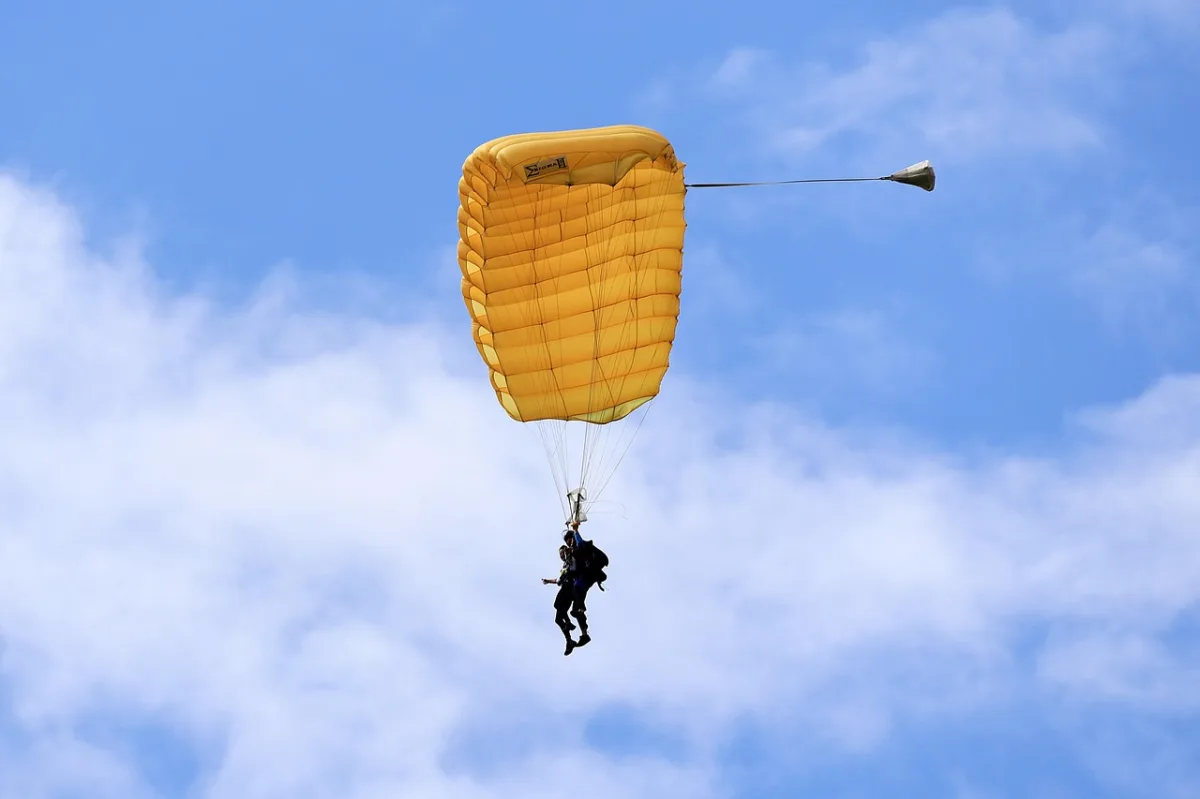
Divya Surepalli, a 37-year-old environmental engineer from Visakhapatnam, has officially become the first civilian woman from Andhra Pradesh to earn a United States Parachute Association (USPA) A-licence. The milestone, achieved in 2024 following rigorous training conducted abroad, marks a significant breakthrough for civilian aviation sports in the region, which has historically been dominated by military personnel.
A New Frontier in Regional Aviation
For years, the sport of skydiving in India has remained largely confined to elite military training academies or niche adventure tourism circuits. Surepalli’s achievement highlights a growing interest among Indian professionals in high-adrenaline aviation sports that require international certifications.
To secure her A-licence, Surepalli underwent an intensive training program that necessitated multiple successful jumps and the mastery of emergency procedures. The certification process is strictly regulated, ensuring that skydivers can safely navigate solo jumps, canopy control, and landing maneuvers without constant instructor supervision.
The Rigors of Skydiving Certification
The path to obtaining an A-licence is both physically demanding and financially significant. Candidates must demonstrate proficiency in controlled freefall, parachute deployment, and complex landing techniques under various atmospheric conditions.
Data from the USPA indicates that skydiving safety records have improved significantly over the last decade due to advancements in parachute technology and standardized training protocols. For Surepalli, the journey involved traveling abroad to access facilities that meet international safety standards, reflecting the current lack of specialized civilian training infrastructure within Andhra Pradesh.
Broadening Horizons for Adventure Sports
Industry experts suggest that Surepalli’s success could serve as a catalyst for local adventure tourism and aviation interest. As more women enter male-dominated extreme sports, the demand for accessible, high-quality training centers within India is expected to rise.
The integration of civilian skydiving into the broader national sports framework remains a subject of ongoing discussion among aviation authorities. Increased participation could lead to greater investment in local drop zones and training facilities, potentially democratizing access to the sport for future generations of enthusiasts.
Future Implications and Industry Growth
The aviation sector is now closely watching how such individual milestones impact regional regulations. Should the demand for skydiving grow in the wake of Surepalli’s achievement, the Civil Aviation authorities may face pressure to streamline the process for establishing civilian-run drop zones.
Observers are currently monitoring whether this development will lead to the formation of local skydiving clubs in Visakhapatnam. The potential for professionalizing the sport could see India hosting international skydiving competitions in the near future, moving the nation toward a more prominent position in the global extreme sports arena.