





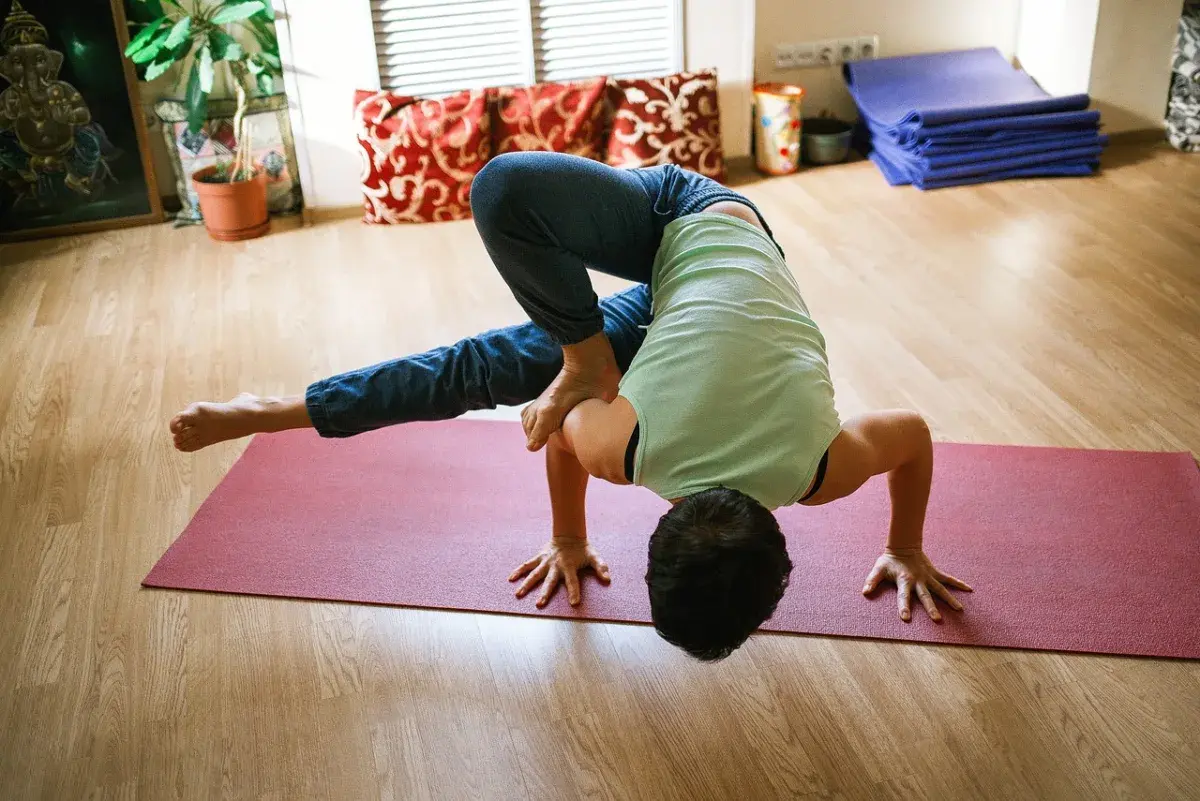
As the world prepares to celebrate the 10th International Yoga Day on June 21, Surupa Sen, the renowned artistic director of the Nrityagram Dance Ensemble, is advocating for a deeper integration between ancient yogic practices and the classical Indian dance form of Odissi. Speaking from the Nrityagram village in Bengaluru, Sen emphasizes that both disciplines serve as essential conduits for achieving physical precision and mental equilibrium, offering a holistic approach to well-being that transcends mere exercise.
The Symbiotic Relationship Between Art and Discipline
Odissi, one of the eight classical dance forms of India, is characterized by its intricate footwork, fluid torso movements, and dramatic mudras. According to Sen, the rigorous physical demands of the dance are fundamentally rooted in the principles of Hatha Yoga. The dancer’s ability to maintain the ‘tribhanga’—a triple-bend posture—requires a level of core strength and spinal flexibility that mirrors advanced yogic asanas.
While yoga is often viewed as a practice of stillness, Sen argues that dance serves as the dynamic extension of that same internal focus. By bridging the gap between the static hold of a pose and the kinetic flow of choreography, practitioners can develop a heightened awareness of their physical anatomy. This synthesis allows performers to move with greater intentionality, reducing the risk of injury while enhancing the aesthetic quality of their craft.
Scientific Foundations of Holistic Movement
Research consistently supports the benefits of combining mindfulness-based movement with traditional physical training. According to the National Institutes of Health (NIH), integrative mind-body therapies like yoga have been shown to reduce cortisol levels and improve autonomic nervous system regulation. When applied to the performing arts, these physiological benefits manifest as improved breath control and sustained mental clarity during high-pressure performances.
Sen notes that the discipline required to master Odissi acts as a form of moving meditation. By aligning the breath with the rhythmic patterns of the music, the dancer enters a state of ‘flow,’ a psychological state where the ego recedes and the movement becomes an expression of pure presence. This parallels the yogic concept of ‘Dharana,’ or focused concentration, which is essential for reaching the deeper meditative states described in the Yoga Sutras.
Industry Implications and Future Outlook
For the broader wellness industry, the insights provided by practitioners like Sen signal a shift away from compartmentalized fitness regimes. There is an increasing trend toward ‘conscious movement‘ programs that prioritize the connection between neurobiology and physical activity. As yoga continues to evolve globally, the integration of traditional dance elements offers a pathway for practitioners to deepen their physical practice through artistic expression.
Looking ahead, the intersection of dance and yoga is expected to influence training methodologies in both professional conservatories and community wellness centers. Observers should watch for an increase in cross-disciplinary workshops that utilize classical dance techniques to improve postural alignment and body awareness. As the boundaries between these ancient traditions continue to blur, the emphasis will likely remain on the necessity of cultivating both stillness and movement to sustain long-term physical and mental health.