





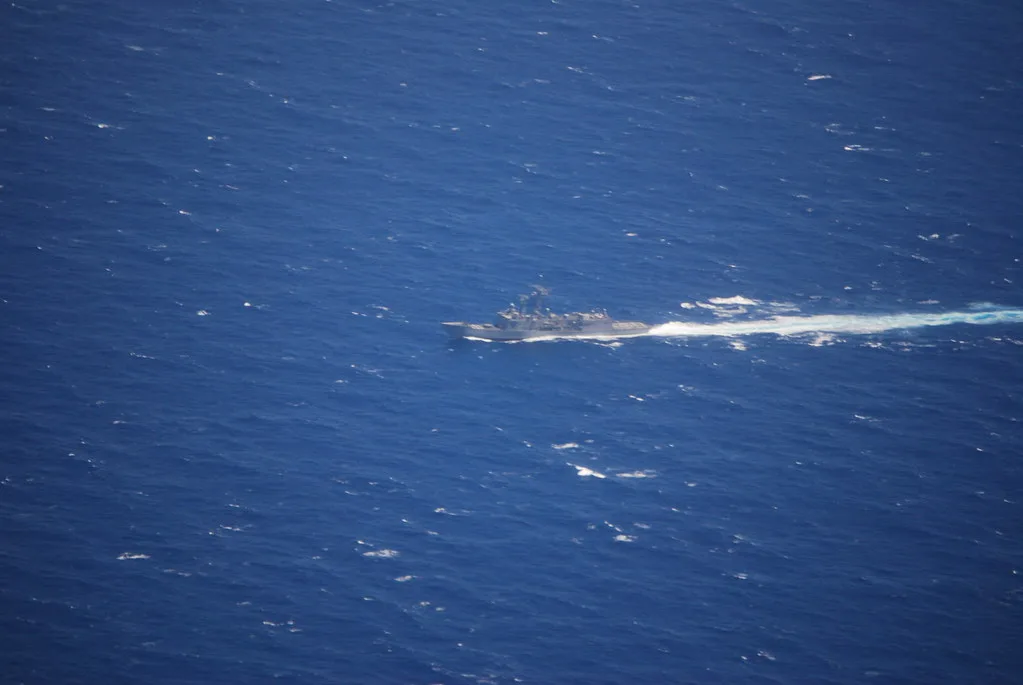
Kuwaiti officials condemned a fresh wave of Iranian drone and missile strikes this week, labeling the aggressive maneuvers a dangerous escalation that threatens the stability of the West Asian region. The incidents, which reportedly struck a Kuwaiti airport and resulted in at least one fatality, coincide with intensifying military friction between Iranian forces and the United States in the Strait of Hormuz.
A Fragile Ceasefire Under Pressure
The recent violence marks a significant breakdown in a fragile, internationally mediated ceasefire that had briefly slowed active hostilities in the region. Regional observers note that the renewed aggression represents a shift in tactics, moving from proxy skirmishes to direct targeting of critical infrastructure and commercial shipping lanes.
Historically, the Strait of Hormuz has served as a primary artery for global oil and gas transport. Any disruption in this maritime corridor carries immediate consequences for global energy markets and international security protocols.
Military Confrontations and Strategic Targets
U.S. Central Command confirmed that American forces intercepted and destroyed two Iranian drones that were actively targeting shipping vessels near the Strait of Hormuz. This defensive action followed a series of retaliatory strikes initiated by Iran against U.S. radar installations in the region.
The exchange of fire underscores the volatile nature of the current military standoff. Analysts suggest that the use of unmanned aerial vehicles (UAVs) has become a primary instrument of force projection for Iranian military planners, allowing for precision strikes while maintaining a degree of operational deniability.
The Broader Geopolitical Impact
Data from regional security monitoring groups indicate that the frequency of these encounters has increased by nearly 30% over the last fiscal quarter. This uptick in activity forces neighboring nations to reconsider their defense posture and reliance on traditional security umbrellas.
Dr. Aris Thorne, a senior fellow at the Institute for Regional Security, notes that the current situation represents a ‘high-stakes game of brinkmanship’ where miscalculation could rapidly lead to an unintended widening of the conflict. He emphasizes that the involvement of critical energy infrastructure makes this more than a localized dispute; it is a global economic concern.
Future Implications and Regional Stability
As diplomatic channels struggle to contain the fallout, the immediate focus remains on whether the current cycle of retaliation will lead to a full-scale regional confrontation or if back-channel negotiations can restore the status quo. The potential for further sanctions and increased naval presence in the Persian Gulf remains high.
Market analysts are currently watching for fluctuations in crude oil prices, which typically react sharply to reports of instability in the Strait of Hormuz. Industry experts advise that supply chain volatility is likely to persist as long as shipping lanes remain a theater of active military engagement. The international community continues to monitor the situation for signs of de-escalation, though current military movements suggest that both sides are preparing for a prolonged period of high-alert status.