

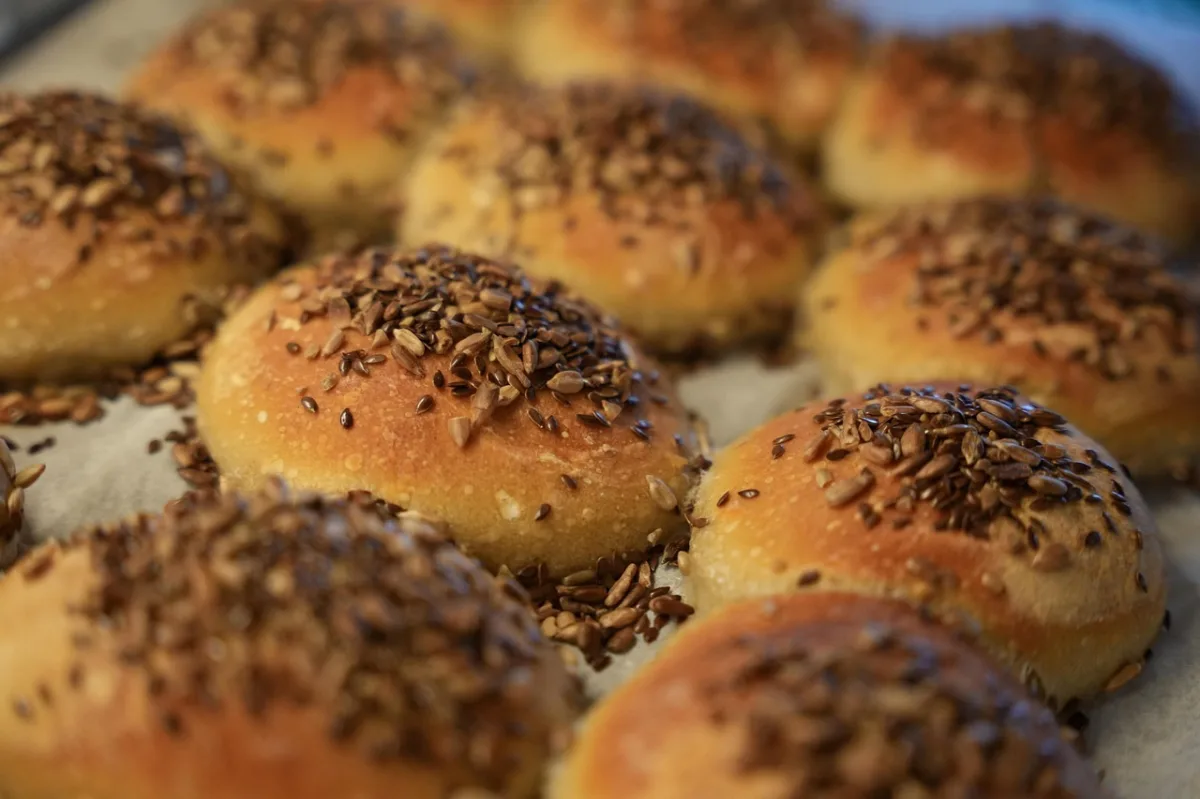
A Culinary Journey Through Time
Researchers have successfully revived ancient yeast strains extracted from the digestive tract of Oetzi the Iceman, a 5,300-year-old mummy discovered in the Alps, to bake a loaf of prehistoric-style bread. Microbiologists and experimental archaeologists collaborated on this unique project, utilizing samples preserved by the extreme cold of the Oetztal Alps to explore the dietary habits of Copper Age humans.
Oetzi, who was discovered in 1991 on the border of Austria and Italy, remains one of the world’s most studied archaeological specimens. His sudden death, caused by an arrow wound, allowed the high-altitude environment to freeze-dry his remains, effectively preserving his internal organs and gut microbiome for millennia.
The Science of Ancient Fermentation
The process of isolating the yeast required meticulous laboratory techniques to ensure the sample remained uncontaminated by modern environmental microbes. Scientists focused on identifying dormant microorganisms within the mummy’s stomach contents, which included remnants of his final meals like ibex meat and einkorn wheat.
Once the ancient yeast was isolated and successfully cultured in a controlled environment, experts mixed it with modern organic flour and water to recreate a primitive sourdough starter. The resulting bread serves as a tangible connection to the Neolithic period, providing insights into the fermentation practices of early European societies.
Archaeological Significance and Microbial History
Beyond the novelty of the bake, the project offers significant data regarding the evolution of human gut health. Microbiologists note that the yeast strains found in Oetzi are genetically distinct from modern commercial varieties, suggesting that the microbial landscape of the human gut has shifted significantly over the last five millennia.
Data from the study indicates that these ancient microbes were robust enough to survive centuries of extreme freezing, a finding that intrigues researchers studying long-term biological preservation. By analyzing these ancient organisms, scientists hope to map the history of human interaction with beneficial microbes, tracing how our ancestors domesticated the fungi essential for bread and alcohol production.
Industry and Academic Implications
For the baking industry, this discovery highlights the potential for “heirloom” fermentation. Some artisans have expressed interest in utilizing ancient microbial profiles to create unique flavor profiles that have been absent from the human diet for thousands of years.
However, the broader implications center on the field of paleomicrobiology. This successful revival demonstrates that ancient biological material can provide a roadmap for understanding disease resistance and nutritional history in early humans. As sequencing technologies improve, researchers expect to recover more dormant samples from other frozen archaeological sites.
Future Research Horizons
What comes next is a deeper investigation into the functional properties of these ancient yeast strains. Future studies will likely focus on whether these prehistoric microbes offer different nutritional benefits or digestive properties compared to contemporary strains. As the scientific community continues to unlock the secrets held within the Iceman’s remains, the intersection of archaeology and microbiology will likely yield further breakthroughs in our understanding of human evolution and the ancient food systems that sustained our ancestors.