



The Convergence of Heritage and Utility
In a significant cultural initiative held this week at Amethyst in Chennai, the ‘Anvaya’ exhibition by Aabharnam has successfully brought the intricate world of traditional Indian craftsmanship into the context of contemporary urban living. Featuring 18 master artisans from across the country, the showcase highlights a curated collection of heritage textiles, handcrafted kitchenware, and functional home decor objects designed to seamlessly integrate into modern domestic spaces.
Understanding the Context of Indian Craft Revitalization
For decades, traditional Indian crafts faced the threat of obsolescence as mass-produced, machine-made goods dominated the market. Recent shifts in consumer behavior have seen a resurgence of interest in ‘slow living’ and sustainable, ethically sourced products. The Anvaya exhibition serves as a physical manifestation of this trend, aiming to bridge the gap between rural artisan communities and the sophisticated aesthetic demands of city dwellers.
Detailed Coverage: A Multi-Sensory Showcase
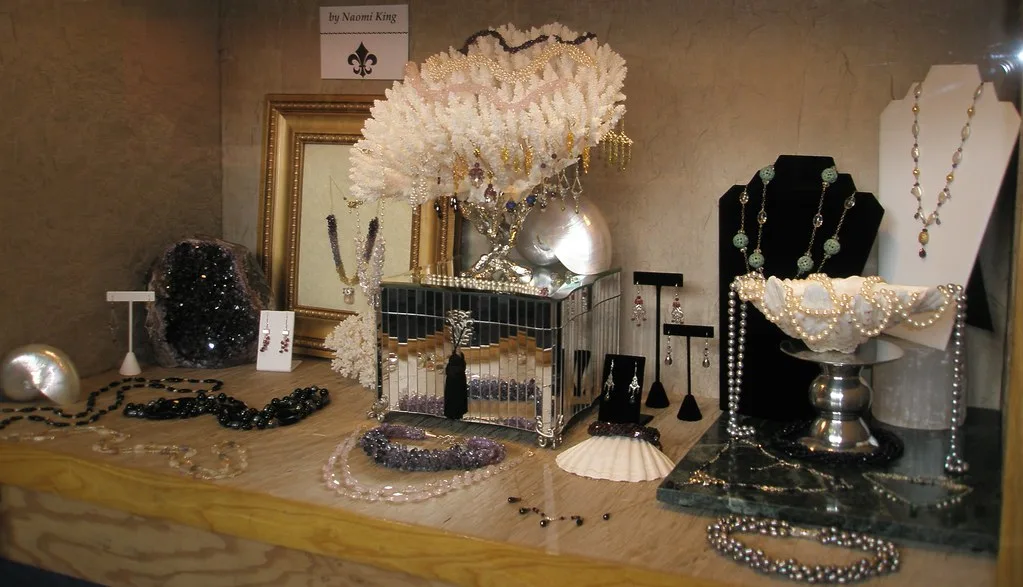
The exhibition space at Amethyst has been transformed into a tactile gallery where visitors can interact with items that blend ancestral techniques with modern utility. Textiles on display feature age-old weaving methods like Jamdani and Ikat, yet they are fashioned into silhouettes that fit a modern wardrobe. Similarly, the kitchenware collection reimagines traditional brass and copper vessels, adapting them for contemporary cooking and serving needs without compromising their structural integrity or historical significance.
Organizers have emphasized that the selection process for the 18 artisans was rigorous, focusing on those who maintain purity in their methods while showing a willingness to innovate. This collaboration ensures that the objects are not merely decorative relics, but functional tools for daily use. By placing these items in the serene, historic backdrop of Amethyst, the exhibition invites a dialogue about how heritage can evolve rather than remain static.
Expert Perspectives on Market Sustainability
Design experts note that the success of such initiatives relies on the ‘utility factor’ of the crafts. According to industry analysts, home decor items that serve a specific purpose are more likely to be adopted by younger demographics than purely ornamental pieces. “The integration of traditional motifs into high-utility objects is the key to sustainable craft development,” says independent design consultant Priya Menon. Data from the Craft Council of India suggests that artisans who adopt modern design feedback loops see a 30% increase in long-term sales compared to those who stick strictly to traditional patterns.
Implications for the Industry and Consumers
For the consumer, the Anvaya exhibition represents a shift toward conscious consumption, where the story behind an object is as valuable as its function. It encourages buyers to invest in pieces that have a verifiable lineage, thereby supporting the livelihoods of rural artisans directly. For the broader retail sector, this trend signals a growing demand for ‘narrative-driven’ design, where branding is built on heritage and transparency.
Looking ahead, industry observers are watching to see if this model of localized, high-quality exhibitions can be scaled to reach a wider audience without losing its intimate appeal. The focus is now shifting toward digital platforms that can replicate this storytelling experience. Future developments will likely involve tighter supply chain integration, allowing urban consumers to track the journey of a product from the artisan’s loom to their dining table, further cementing the bond between the creator and the end-user.