





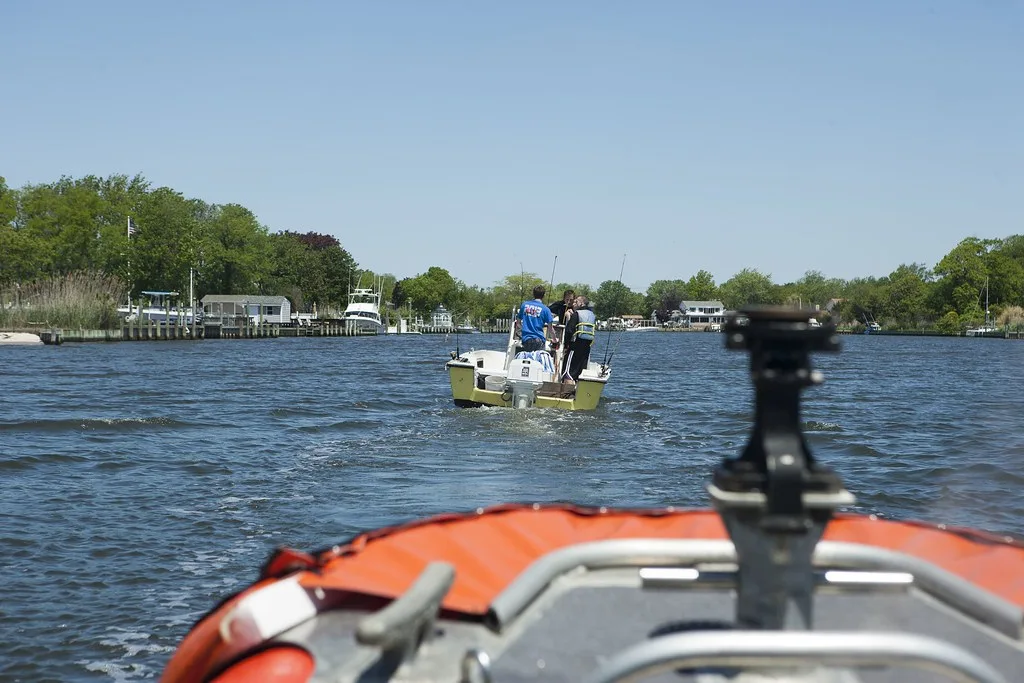
U.S. Coast Guard investigators have seized an eight-foot dinghy in connection with the ongoing investigation into the disappearance of Lynette Hooker, who reportedly went missing in the Bahamas in early April. The vessel, which her husband, Brian Hooker, claims they were aboard when the incident occurred, is now undergoing forensic examination to determine the circumstances surrounding her vanishing.
Background of the Investigation
The disappearance of Lynette Hooker sparked an international search effort after she was reported missing while traveling with her husband in Bahamian waters. Brian Hooker has maintained that the couple was using the small dinghy when a series of events led to her disappearance, a claim that has drawn significant scrutiny from maritime authorities.
The Bahamas, a popular destination for private boaters, presents complex jurisdictional challenges for search and rescue operations. When incidents occur in remote areas or between islands, investigators often rely on the physical evidence found on the vessels involved to reconstruct the timeline of events.
Forensic Analysis and Maritime Evidence
The seizure of the dinghy marks a critical shift in the investigation, as authorities transition from search-and-rescue operations to a more intensive evidence-gathering phase. Investigators are looking for signs of mechanical failure, impact damage, or other forensic markers that could corroborate or contradict the account provided by Brian Hooker.
Maritime experts note that small, unpowered or low-powered dinghies are particularly susceptible to environmental factors like strong currents and unexpected weather shifts. According to data from the National Oceanic and Atmospheric Administration (NOAA), the waters surrounding the Bahamas can experience rapid changes in sea state, which can easily overwhelm small vessels.
Independent maritime investigators emphasize that the condition of the dinghy’s hull and propulsion system will be central to the analysis. Any evidence of “bouncing” or collisions, as mentioned in initial reports, will be cross-referenced with satellite data and local weather reports from the time of the incident.
Industry and Legal Implications
For the recreational boating community, this case highlights the inherent risks of navigating open waters in small, secondary vessels. Industry safety standards recommend that all passengers utilize personal flotation devices and maintain constant communication with larger “mother ships” or shore-based contacts when deploying a dinghy.
Legal analysts suggest that the seizure of the vessel may lead to further interviews and potential legal proceedings depending on the forensic findings. The cooperation between U.S. authorities and Bahamian law enforcement remains a focal point, as both agencies work to determine if foul play was involved or if the disappearance was the result of a tragic maritime accident.
Moving forward, the focus will remain on the forensic report generated by the Coast Guard’s specialized units. Stakeholders will be watching to see if this physical evidence provides a definitive explanation for the disappearance or if it raises further questions regarding the safety protocols and actions taken by those on board. Observers should monitor upcoming statements from federal investigators for updates on whether the evidence confirms the husband’s account or necessitates a criminal inquiry.