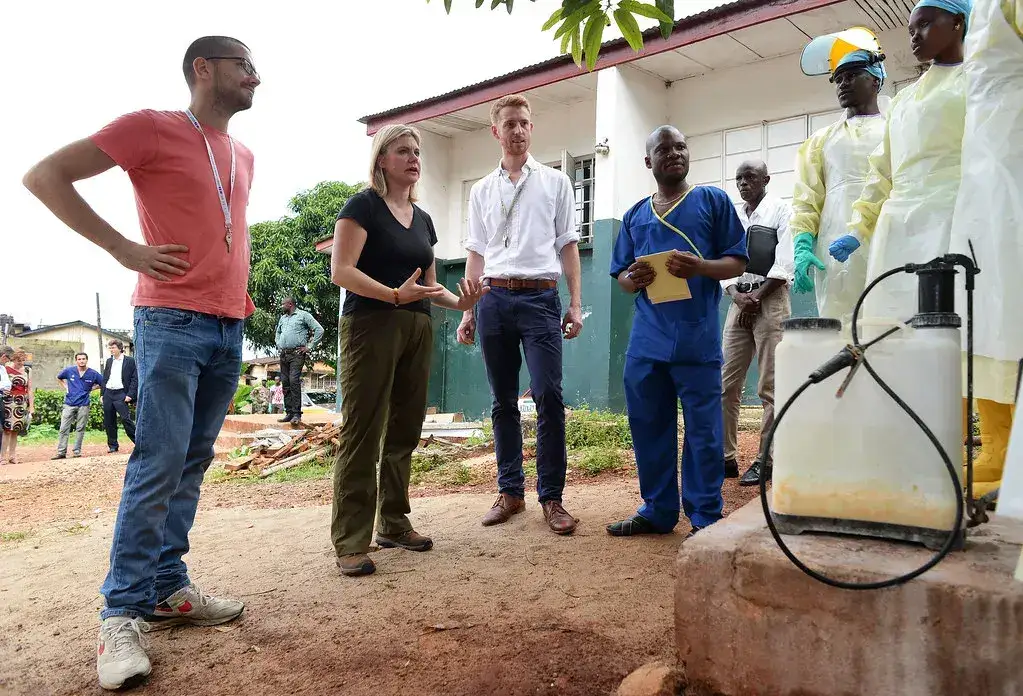




Health authorities at the World Health Organization (WHO) confirmed Wednesday that frontline responders are gaining ground in the effort to contain a persistent Ebola outbreak in the Democratic Republic of Congo (DRC). Despite this progress, the crisis remains dire, with confirmed cases surpassing 340 and the virus successfully crossing international borders into neighboring Uganda, signaling a significant escalation in the regional public health threat.
The Current State of the Crisis
The outbreak, centered in the volatile eastern regions of the DRC, has tested the limits of international medical intervention. While WHO officials report that containment strategies are finally matching the pace of viral transmission, the sheer geographic spread and the complexity of local security concerns continue to hamper eradication efforts.
Data provided by health monitors indicates that the virus has now breached the DRC’s border, marking a transition from a localized epidemic to a cross-border emergency. This development necessitates a rapid re-evaluation of regional surveillance protocols and emergency response infrastructure.
Contextual Challenges in Containment
Managing Ebola in the DRC is complicated by a long history of civil unrest and limited public health infrastructure. Unlike previous outbreaks in more stable regions, medical teams in this territory must often navigate zones of active armed conflict to reach infected patients and conduct contact tracing.
The WHO has emphasized that the success of containment hinges on community trust and the ability of health workers to conduct safe, dignified burials. Resistance within local populations, often fueled by misinformation or fear of institutional medical practices, has historically slowed the deployment of vaccines and experimental treatments.
Expert Perspectives and Data
Public health experts point to the 340-plus confirmed cases as a clear indicator that the virus remains highly active. Dr. Mike Ryan, a senior official at the WHO, recently noted that while the intensity of the response has improved, the margin for error remains razor-thin given the virus’s high mortality rate.
Epidemiological models suggest that the movement of populations across porous borders is the primary driver of the current expansion. Without robust screening at transit hubs and increased regional cooperation, the risk of the outbreak seeding in more densely populated urban centers remains a primary concern for global health security.
Industry and Regional Implications
For the healthcare industry, this outbreak serves as a stark reminder of the need for rapid-response supply chains and the continued development of portable diagnostic tools. The movement of the virus into Uganda forces a pivot toward a multi-national response strategy, requiring increased funding and personnel commitments from international donors.
Looking ahead, the focus will shift toward the effectiveness of the ring vaccination strategy now being deployed in affected provinces. Observers should watch for new data on transmission rates in border regions over the next 14 days, as this will determine whether the current containment measures are sufficient to prevent a wider, uncontrolled regional spread.