





The British Museum has officially commissioned a Pune-based research team to document the rapidly disappearing craft of houseboat construction in Kashmir, providing a lifeline to a tradition currently stifled by decades of strict government regulations. This initiative, launched this year, aims to archive the intricate skills, specialized tools, and cultural heritage of the last remaining master artisans in Srinagar who have been unable to build new vessels since the 1980s.
The Context of a Stagnant Industry
The iconic houseboats of Dal and Nigeen lakes, often referred to as the floating palaces of Kashmir, have long been symbols of the region’s tourism industry. However, the craft has faced an existential crisis for over 40 years due to a government-imposed ban on the construction of new wooden houseboats.
Authorities implemented these restrictions in the 1980s, citing environmental concerns regarding the pollution of the lakes and the need to preserve the fragile ecosystem. While intended to curb commercial expansion, the policy effectively froze the evolution of the craft, leaving existing boat owners unable to replace aging structures.
As a result, the number of houseboats has steadily declined, and with them, the specialized knowledge of the ‘Dunga’ and ‘Shikara’ builders. The artisans, who once passed these skills down through generations, are now reaching old age with no apprentices to carry on the trade.
The Anatomy of a Vanishing Craft
The Pune-based research project seeks to capture the technical specifications and architectural nuances that define Kashmiri houseboat design. The team is focusing on the use of Deodar wood, a local cedar known for its rot-resistant properties when submerged, and the complex joinery techniques that allow these structures to remain buoyant and stable.
Field researchers are conducting extensive interviews with the remaining ‘Naakhuda’ (boat captains) and carpenters. They are recording the specific vocabulary used in the trade, the mathematical precision required for balancing the hulls, and the intricate wood-carving patterns that adorn the interiors.
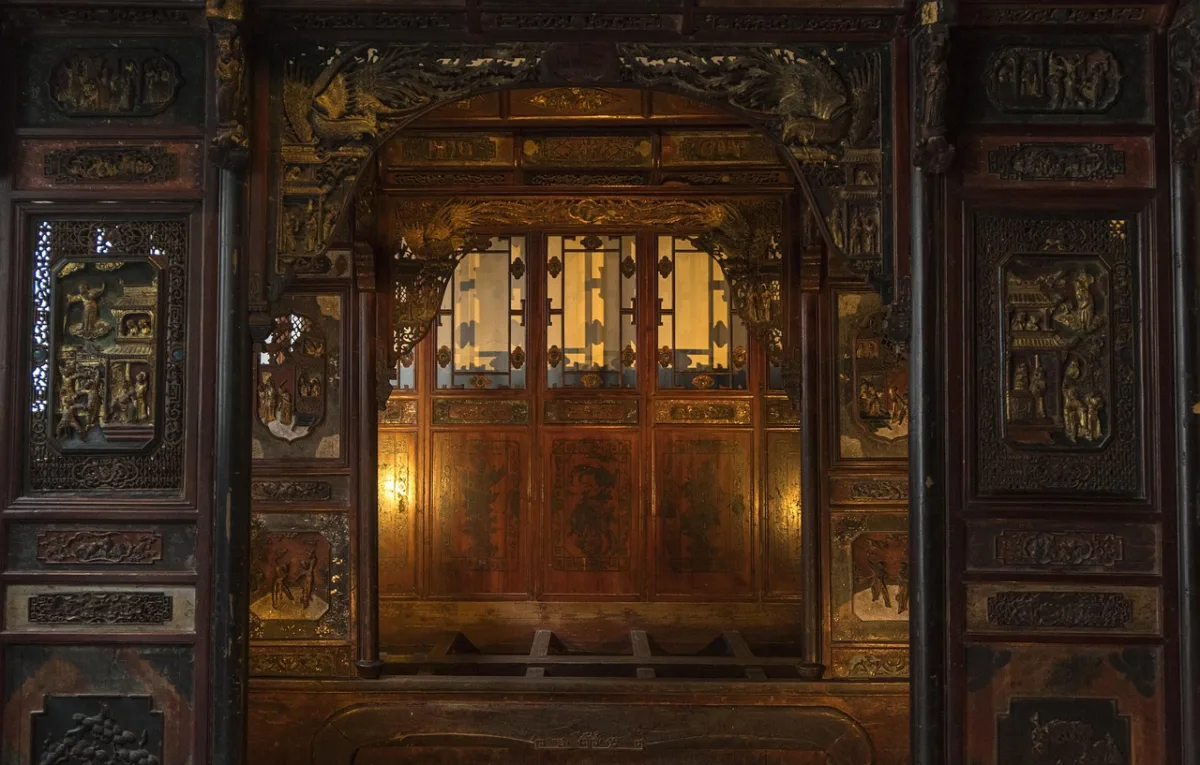
According to preliminary findings from the research team, the craft is not merely a method of construction but a historical record of colonial influence and indigenous adaptation. The design elements reflect a unique blend of Victorian-era aesthetics and traditional Mughal-inspired floral motifs.
Expert Perspectives and Economic Realities
Cultural preservationists argue that the loss of this craft represents a significant blow to intangible heritage. Dr. Arshad Iqbal, a heritage conservationist, notes that the artisans are the repositories of a living museum. “When these men pass away, we don’t just lose labor; we lose a specific way of interacting with the water, the climate, and the material culture of the Kashmir Valley,” Iqbal stated.
From an economic standpoint, the restriction has left the houseboat community in a state of perpetual maintenance rather than innovation. Data suggests that the cost of repairing these structures has skyrocketed, often exceeding the income generated by the tourism sector, which itself has been volatile due to regional instability.
The British Museum’s involvement provides a formal framework for this documentation, ensuring that the findings are archived in international databases. This recognition elevates the status of the craft from a local labor issue to a matter of global cultural importance.
Broader Implications for Heritage Management
For the residents of Srinagar and the global tourism community, the decline of the houseboat industry signals a shift in the region’s identity. If the craft is not documented, future generations will be unable to distinguish between authentic historical structures and modern replicas that lack the structural integrity of the originals.
The project also raises questions about the balance between environmental regulation and cultural preservation. Critics of the current policy argue that sustainable, eco-friendly construction methods could have been introduced decades ago, allowing the craft to evolve rather than die out.
Industry analysts suggest that the documentation project might serve as a catalyst for a policy review. By highlighting the artistic and historical value of the houseboats, the research could provide the leverage needed for the government to consider a regulated, sustainable revival of boat construction.
What to Watch Next
The coming months will be critical as the research team prepares its final repository of findings. Observers should look for the release of digital archives and potential exhibitions that aim to bring the plight of these artisans to a wider audience.
Additionally, the involvement of international bodies may influence the local administration to revisit the 1980s ban. Whether this leads to a formal framework for sustainable boat building or remains a purely academic exercise in documentation will be the defining factor for the future of Kashmir’s floating legacy.