





Escalating Strikes and Diplomatic Stagnation
Israel intensified its military campaign in South Lebanon this week, conducting a series of precision strikes that have pushed regional stability to a breaking point. The military action coincides with a complete deadlock in ceasefire negotiations, prompting Iranian Foreign Minister Abbas Araghchi to issue a stark ultimatum earlier this month. Araghchi warned that the United States must now choose between enforcing a definitive ceasefire or effectively permitting the conflict to expand through continued Israeli tactical operations.
The Context of the Hormuz Flashpoint
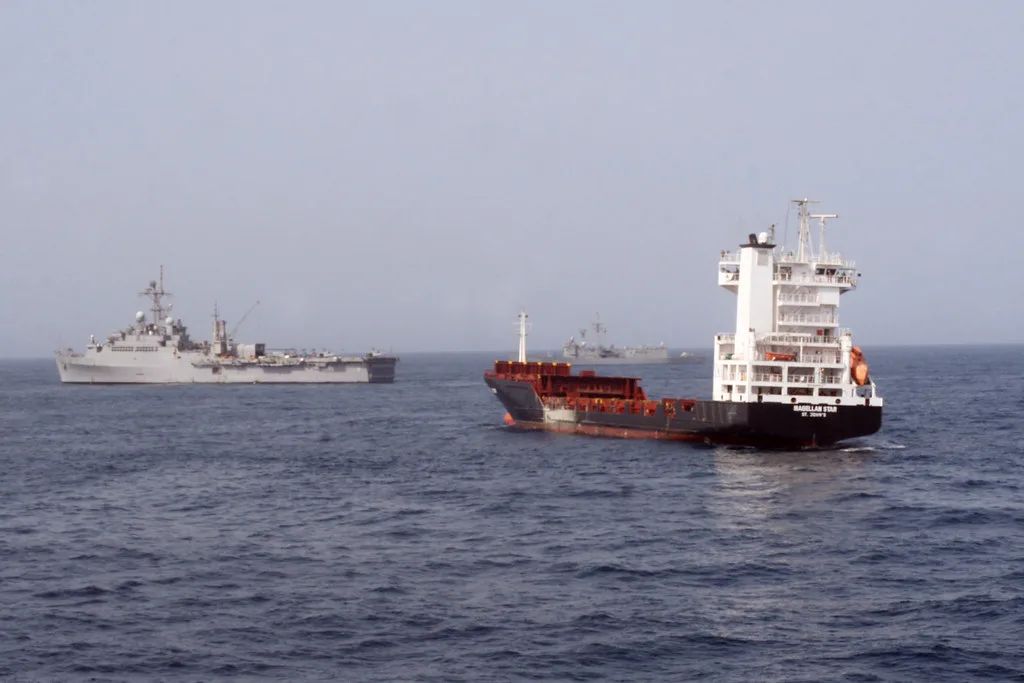
The current volatility in Lebanon is inextricably linked to broader maritime security concerns, particularly regarding the Strait of Hormuz. Analysts have long identified the strait as a critical global energy chokepoint, where any regional spillover could trigger an immediate spike in oil prices. Iran’s direct involvement in regional signaling suggests that the conflict is no longer contained to local borders but has become a leverage point for Tehran to pressure Western interests.
Military Dynamics and Strategic Shifts
The Israeli military campaign in the south is characterized by high-intensity airstrikes aimed at degrading infrastructure maintained by regional proxies. According to recent intelligence reports, these operations are intended to establish a buffer zone to prevent cross-border incursions. However, critics argue that the intensity of the bombardment risks drawing a direct response from Tehran, which has historically utilized its network of regional alliances to retaliate against Israeli assets.
Expert Perspectives on Regional Stability
International security analysts warn that the window for a negotiated settlement is closing rapidly. Dr. Elena Vance, a senior fellow at the Center for Middle East Policy, notes that the lack of a diplomatic framework has created a dangerous vacuum. ‘We are seeing a shift from proxy skirmishes to a state of sustained, low-level war that could erupt into a larger conflict without warning,’ Vance stated during a recent security briefing.
Data from regional monitoring groups indicates that the frequency of cross-border fire has increased by 40% compared to the previous quarter. This surge in kinetic activity underscores the failure of back-channel diplomatic efforts to de-escalate the situation. Furthermore, market analysts observe that shipping insurance premiums for vessels traversing the Persian Gulf have begun to climb, reflecting the industry’s growing anxiety over the potential for a blockade.
Future Implications for Global Markets
For global stakeholders, the primary concern remains the potential closure of the Strait of Hormuz, through which roughly one-fifth of the world’s oil consumption passes. Should the conflict between Israel and regional actors escalate into a direct confrontation involving Iranian maritime assets, the global energy supply chain could face unprecedented disruption. Investors are currently monitoring the situation for signs of a broader military buildup, which would necessitate a reassessment of risk in the Middle East.
Looking ahead, observers should watch for the outcome of upcoming emergency sessions at the United Nations, which may provide the final opportunity for a diplomatic off-ramp. If these talks fail to yield a concrete ceasefire agreement, the likelihood of a wider regional conflict will increase, forcing international powers to reconsider their strategic postures in both the Levant and the Persian Gulf.