






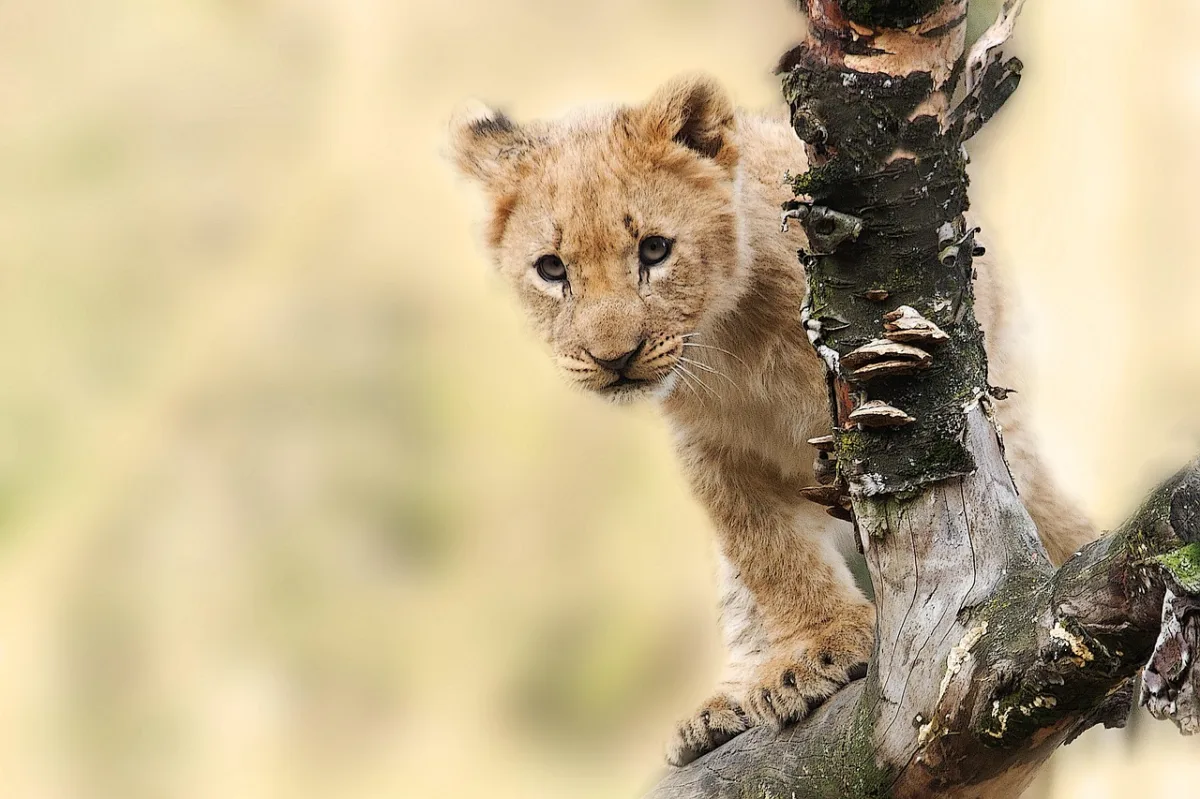
A Fragile Beginning in the Wild
Wildlife officials in Southern California rescued a three-week-old mountain lion cub, now named Crimson, after the animal was discovered alone and visibly struggling in the Santa Monica Mountains earlier this week. The cub, which suffers from a congenital condition resulting in missing toes, is currently receiving intensive veterinary care at the Oakland Zoo to address his physical vulnerabilities and ensure his survival.
The Challenges of Urban Wildlife Corridors
The Santa Monica Mountains represent a critical but highly fragmented habitat for mountain lions, a species that faces significant pressure from urban encroachment and highway development. Local conservationists have long documented the difficulties these predators face, including restricted genetic diversity and the constant threat of vehicle strikes. According to the National Park Service, which monitors the local population, the isolation of these cats often leads to increased mortality rates and developmental issues.
A Rare Medical Case
Crimson’s condition—ectrodactyly, or missing toes—presents a unique challenge for his long-term viability in the wild. Experts at the Oakland Zoo note that while the cub is currently stable, his physical impairment would have likely prevented him from successfully hunting or navigating the rugged terrain of his native habitat. This rescue highlights the ongoing efforts of the California Department of Fish and Wildlife to intervene when individual animals are deemed unable to survive without human support.
Conservation and Genetic Bottlenecks
Data from the Santa Monica Mountains mountain lion study indicates that the local population is currently grappling with a severe genetic bottleneck. Because the area is surrounded by freeways and urban sprawl, mountain lions are effectively trapped, leading to high levels of inbreeding. While Crimson’s specific condition may be an isolated incident, it serves as a stark reminder of the broader health struggles facing isolated apex predators in Southern California.
The Role of Rehabilitation Centers
The Oakland Zoo has become a hub for such rescue operations, providing a bridge for animals that cannot be returned to the wild. By offering specialized care, the facility allows researchers to study the development of these animals while providing a safe environment for those injured or displaced by human development. The rehabilitation process for a cub this young is intensive, requiring round-the-clock monitoring, specialized feeding protocols, and careful socialization to ensure the animal’s stress levels remain manageable.
Future Implications for Local Ecosystems
As urban development continues to expand into natural corridors, the frequency of human-wildlife encounters is expected to rise. Conservationists are now focused on the construction of the Wallis Annenberg Wildlife Crossing, a major infrastructure project designed to reconnect the Santa Monica Mountains to the larger Simi Hills. The success of this project remains a focal point for researchers hoping to alleviate the genetic and environmental pressures currently impacting the local mountain lion population. Observers will be watching to see if such connectivity measures can effectively reduce the number of solitary or abandoned cubs found in the region in the coming years.


