






The Final Descent of a Budget Giant
Spirit Airlines, once the dominant force in the ultra-low-cost carrier market, officially ceased all flight operations on Saturday following a catastrophic financial collapse. The shutdown, which occurred after the carrier failed to secure a critical government bailout, has grounded hundreds of flights and left thousands of passengers stranded at airports across the United States. The abrupt closure marks the end of a long struggle for the airline, which had been plagued by mounting debt, rising fuel prices, and a volatile post-pandemic aviation landscape.
A History of Financial Turbulence
The collapse of Spirit Airlines comes after years of struggling to adapt to the changing economics of air travel. Since the COVID-19 pandemic, the airline faced intense pressure from increasing operational costs and a shift in consumer demand toward premium travel services. Despite various attempts to restructure its massive debt load, the carrier remained unable to generate sufficient cash flow to cover its obligations.
The situation reached a breaking point this week when federal regulators declined to approve a proposed government rescue package. Without this influx of capital, the airline’s leadership was forced to declare an immediate halt to operations, effectively ending its decades-long tenure in the American skies.
The Ripple Effects of a Market Exit
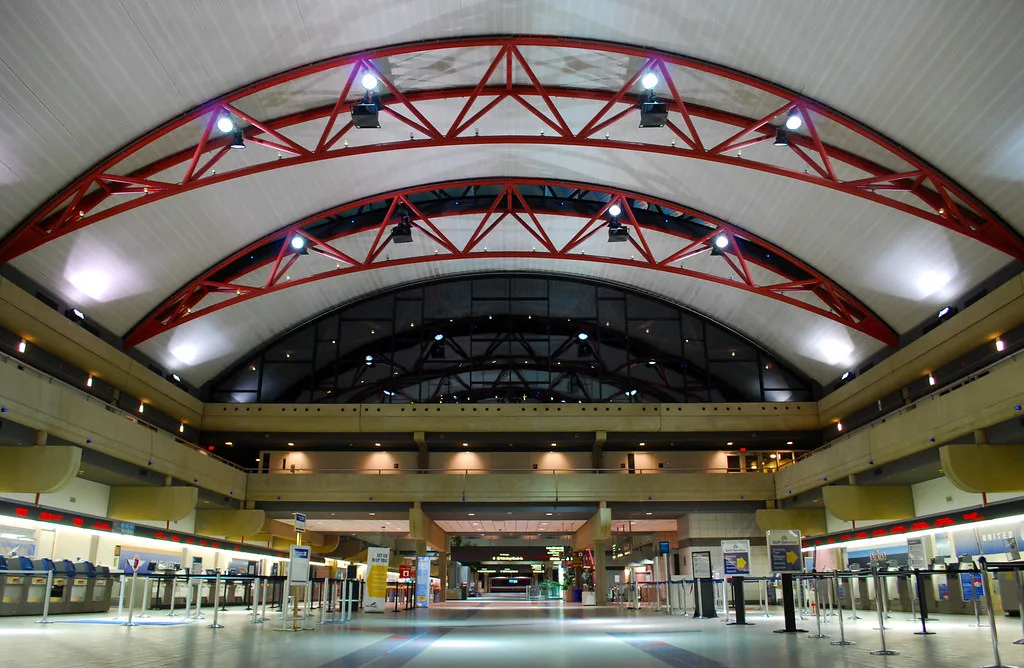
The immediate impact of the closure has been felt most acutely at major transit hubs like Newark Liberty International Airport, where passengers were met with canceled flight boards and closed ticket counters. Industry analysts suggest that the loss of Spirit’s capacity will likely trigger a spike in airfares across the domestic market, as competition for budget-conscious travelers vanishes overnight.
Data from the Department of Transportation indicates that Spirit carried millions of passengers annually, primarily catering to families and travelers seeking low-cost alternatives to legacy carriers. The sudden vacuum left by the company’s exit is expected to force other discount carriers to scramble for gate space and market share at key airports.
Expert Perspectives on Industry Consolidation
Aviation experts point to this shutdown as a potential turning point for the airline industry. “The business model that relied on extreme cost-cutting and high-density seating has proven vulnerable to macroeconomic shocks,” says travel industry consultant Marcus Thorne. “We are witnessing a consolidation phase where only those airlines with significant cash reserves or premium-leaning service structures can survive the current inflationary environment.”
Furthermore, the logistical nightmare of rebooking stranded passengers is testing the capacity of remaining airlines. Major competitors are currently evaluating how to absorb the displaced passenger volume without destabilizing their own operations.
Looking Toward the Future of Budget Travel
The closure of Spirit Airlines serves as a warning for the broader aviation sector regarding the sustainability of ultra-low-cost models in a high-interest-rate environment. As the industry moves forward, observers should watch for how the Department of Transportation handles the consumer protection aspect of this bankruptcy, particularly regarding refunds for thousands of tickets sold for future travel.
Investors and travelers alike will now focus on whether other discount carriers can fill the void left by Spirit or if the era of rock-bottom airfares has fundamentally come to an end. The coming weeks will likely see significant shifts in route allocations and pricing strategies as the market attempts to recalibrate in the wake of this historic collapse.


