





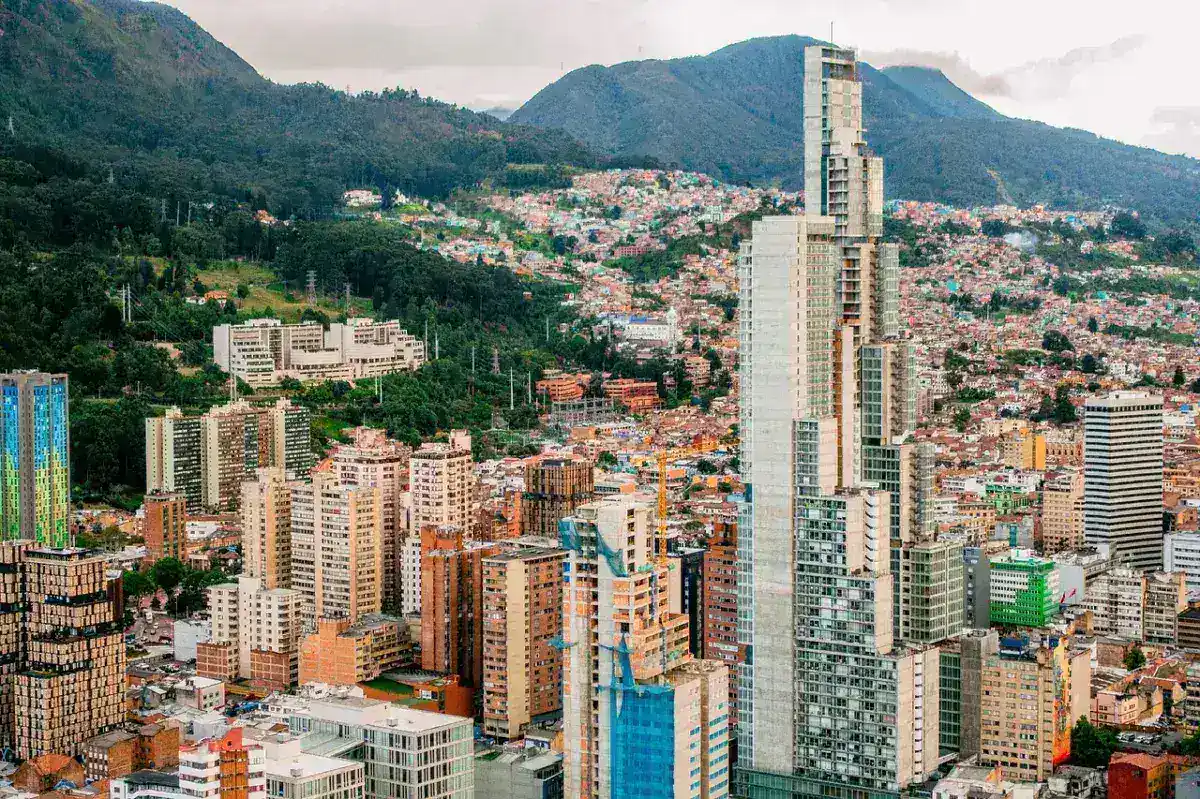
The Strategic Significance of Bogota
As Colombia prepares for pivotal presidential elections, United States officials are closely monitoring the political landscape in Bogota to safeguard long-standing security, economic, and diplomatic partnerships in the Western Hemisphere. The U.S. government views the Andean nation as its most reliable ally in South America, a relationship tested by shifting political tides and the potential for a new administration to reshape regional policy.
A History of Intertwined Interests
For decades, the U.S.-Colombia relationship has been defined by Plan Colombia, a multi-billion dollar aid initiative launched in 2000 to combat drug trafficking and insurgent violence. While the country has seen significant improvements in security, the U.S. remains deeply involved in counter-narcotics efforts and intelligence sharing. Washington views the stability of the Colombian state as a crucial buffer against the influence of rival powers in Latin America.
Shifting Political Currents
The current electoral cycle presents a unique challenge for the White House as voters express frustration over economic inequality, corruption, and the slow implementation of the 2016 peace accord. With candidates from across the political spectrum gaining traction, Washington is navigating the possibility of a shift away from the traditional center-right governance that has characterized the alliance for years.
Analysts point to the rise of populist sentiments as a direct response to the lingering socioeconomic impacts of the COVID-19 pandemic. U.S. policymakers are particularly concerned about how a new executive might approach the ongoing crisis in neighboring Venezuela, where Colombia serves as a key diplomatic pressure point.
Expert Perspectives on Regional Stability
Foreign policy experts emphasize that Colombia’s internal health is inseparable from regional security. According to recent reports from the Council on Foreign Relations, the U.S. provides hundreds of millions of dollars in annual assistance to Colombia, making it the largest recipient of American aid in the region. This financial commitment underscores the depth of the integration between the two nations’ security apparatuses.
Data from the U.S. State Department indicates that trade remains another critical pillar, with the U.S.-Colombia Trade Promotion Agreement facilitating billions in commerce annually. Any significant disruption to this economic corridor could have immediate ripple effects on the American private sector, particularly in the energy and agriculture industries.
The Future of Bilateral Ties
The outcome of this election will likely determine the trajectory of the U.S.-Colombia relationship for the next four years. Washington is closely watching the candidates’ stances on coca cultivation policies, which have been a point of contention between the two nations, as well as their commitment to regional democratic norms.
Moving forward, stakeholders are watching for signs of how the next administration will balance domestic grassroots demands with the requirements of maintaining a high-level strategic partnership with Washington. Observers suggest that the transition period will be critical, as the U.S. looks to maintain its influence while respecting the democratic choices of the Colombian electorate.