



Since returning to the White House, President Donald Trump has initiated a series of targeted U.S. military operations across multiple international theaters, signaling a renewed emphasis on assertive foreign policy and rapid intervention. These deployments, occurring throughout the first months of his new term, span regions ranging from the Middle East to the South China Sea, marking a departure from previous administrative postures of strategic restraint.
The Context of Current Engagements
The current military climate follows a period of shifting global alliances and increased competition among major powers. The Trump administration’s approach prioritizes what officials term ‘peace through strength,’ a doctrine that utilizes military presence as a primary lever of diplomatic and economic negotiation.
Historically, the U.S. has navigated a delicate balance between isolationist tendencies and global policing. The recent uptick in operations reflects a deliberate pivot back toward unilateral action, often bypassing traditional multilateral frameworks in favor of bilateral security arrangements.
Operational Scope and Tactical Objectives
Recent military activities have primarily focused on counter-terrorism operations, freedom of navigation exercises, and support for strategic allies facing regional instability. These missions are characterized by high-speed, low-footprint interventions rather than protracted nation-building campaigns.
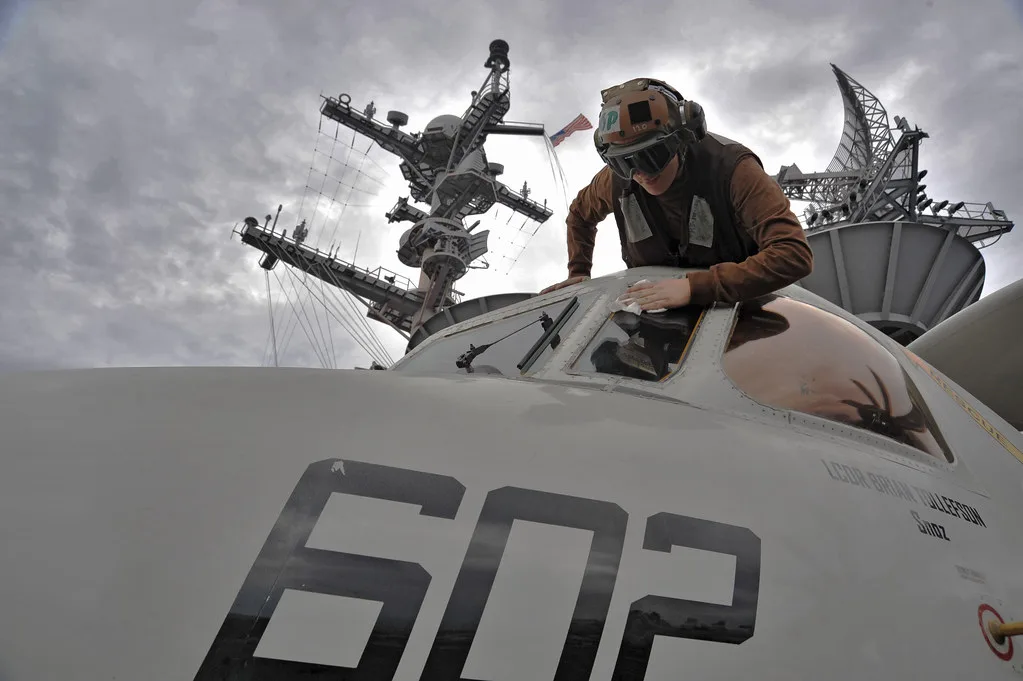
In the Middle East, Pentagon reports indicate an increase in precision strikes aimed at disrupting militant supply chains. Simultaneously, naval maneuvers in the Pacific have intensified, serving as a deterrent against territorial expansion by rival nations.
Expert Perspectives and Strategic Data
Defense analysts point to the administration’s reliance on ‘coercive diplomacy,’ where military assets are deployed to force concessions at the bargaining table. According to the Council on Foreign Relations, this strategy carries inherent risks of accidental escalation, particularly in regions with overlapping security interests.
Data from the Department of Defense suggests that while the frequency of operations has increased, the total number of personnel deployed remains lower than at the height of the early 2000s conflicts. This shift highlights a modern reliance on drone technology, cyber warfare, and special operations units.
Implications for Global Stability
For the average reader, these developments suggest a period of heightened geopolitical volatility. Increased military activity often correlates with fluctuations in global markets, particularly regarding energy prices and supply chain security in contested maritime corridors.
Industries involved in defense, aerospace, and cybersecurity are likely to see sustained growth as the government prioritizes military modernization. Conversely, diplomatic sectors may face challenges as traditional alliances are tested by the administration’s ‘America First’ operational mandates.
Looking ahead, observers should monitor the upcoming defense budget appropriations, which will provide a clearer picture of the long-term sustainability of these operations. The key question remains whether these tactical engagements will lead to lasting strategic stability or if they will necessitate further, larger-scale commitments as regional tensions continue to simmer.