




The New Executive Mandate
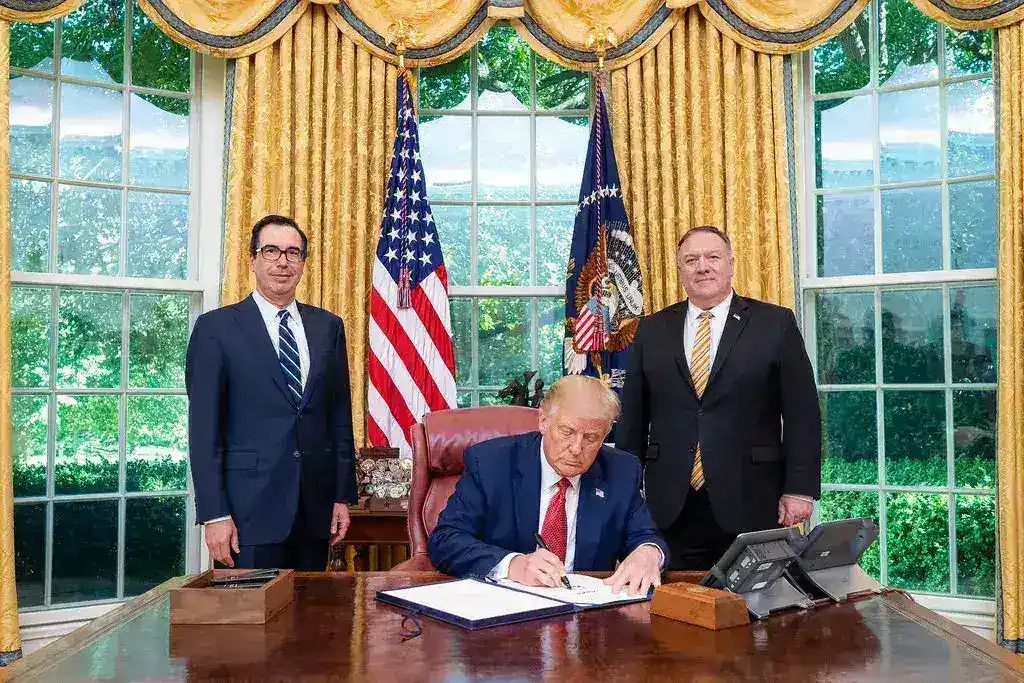
President Donald Trump has signed an executive order that strips civil service protections from a broad category of federal employees, effectively making it easier for the administration to terminate career bureaucrats. Signed this week in Washington, D.C., the directive mandates the reclassification of tens of thousands of workers into a new category known as ‘Schedule F,’ which removes their traditional job security and union representation. The administration argues the move is necessary to ensure accountability and efficiency, while critics contend it signals a fundamental shift toward political loyalty in the federal workforce.
Context of the Civil Service Reform
The concept of ‘Schedule F’ first emerged during the final months of the Trump administration in 2020, drawing on years of frustration regarding the ‘deep state‘ resistance encountered by political appointees. Federal employees have historically been protected by the Pendleton Act of 1883, which established a merit-based system designed to prevent the firing of government staff for political reasons. By reclassifying roles that involve policy-making or influence, the current order bypasses these long-standing protections, allowing the executive branch to bypass standard civil service firing procedures.
The Mechanics of Reclassification
The order targets positions that provide advice or help shape federal policy, a definition that legal experts suggest could be interpreted broadly by current leadership. By shifting these employees into a status where they serve at the pleasure of the president, the administration gains the ability to replace long-serving subject matter experts with political allies. Supporters of the move, such as the America First Policy Institute, maintain that the current system protects incompetent staff and hinders the implementation of the president’s agenda. Conversely, labor unions and government watchdog groups have characterized the order as an attempt to dismantle the non-partisan nature of the federal government.
Expert Perspectives and Potential Impact
Data from the Office of Personnel Management suggests that the change could impact upwards of 50,000 employees across various agencies, including the Department of Justice, the Environmental Protection Agency, and the Department of Education. Max Stier, president of the Partnership for Public Service, has warned that such an overhaul could lead to a ‘brain drain’ of technical expertise, potentially crippling the government’s ability to respond to complex crises. Legal scholars remain divided on whether the order will withstand judicial scrutiny, as several federal statutes explicitly protect government employees from political retribution.
Industry and Workforce Implications
For the federal workforce, the directive introduces a new level of professional precarity that could fundamentally alter the appeal of government service. Agencies may struggle to recruit top-tier talent in fields like cybersecurity, scientific research, and national intelligence if applicants fear their employment is tied to the political cycle. Furthermore, the shift could lead to a surge in litigation, as affected employees seek to challenge their reclassification in federal court under the Administrative Procedure Act.
What to Watch Next
Observers are now looking toward the legal challenges expected to be filed by federal employee unions and civil liberties organizations in the coming weeks. The success or failure of these lawsuits will determine whether the executive branch can permanently reshape the civil service or if the judiciary will intervene to preserve merit-based protections. Additionally, the speed and scale at which agencies begin implementing the reclassifications will serve as a bellwether for the administration’s broader efforts to centralize executive control over the federal bureaucracy.