





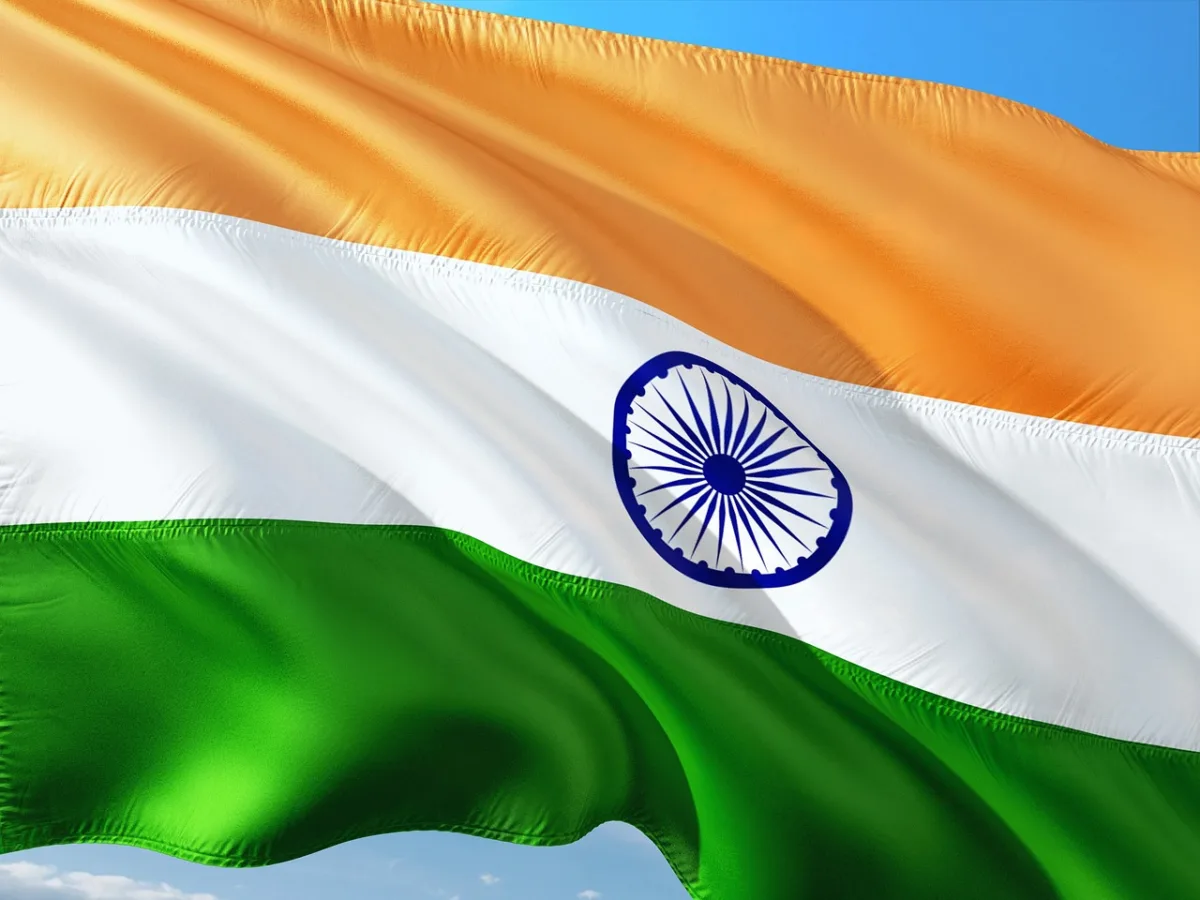
Diplomatic Progress on Trade
US President-elect Donald Trump recently signaled a deepening strategic partnership with India, publicly praising Prime Minister Narendra Modi as trade negotiators in Washington and New Delhi work to finalize a long-awaited bilateral agreement. US Ambassador to India Sergio Gor confirmed this week that trade talks have reached their final stages, with officials focusing on resolving a narrow set of outstanding technical details to complete the first phase of the deal.
The Path to Partnership
The current negotiations represent a significant shift toward deeper economic integration between the world’s two largest democracies. For years, trade relations between the US and India have been marked by complex regulatory hurdles, including tariffs on agricultural goods, medical devices, and digital services. Recent high-level discussions have aimed to bridge these gaps, moving away from past protectionist rhetoric toward a framework focused on supply chain diversification and technology cooperation.
Negotiation Status and Key Stakeholders
Commerce and Industry Minister Piyush Goyal has publicly confirmed that the vast majority of the agreement’s provisions have been settled. The remaining points of contention, according to trade analysts, involve market access for specific American manufactured goods and intellectual property protections that remain a priority for the US private sector. Both governments are now operating under an accelerated timeline, aiming to build on the positive diplomatic rapport established during recent summits.
Economic Implications and Global Context
Data from the Office of the United States Trade Representative indicates that India is currently the ninth-largest goods trading partner for the United States, with total trade in goods and services exceeding $190 billion annually. A successful trade deal is expected to further catalyze this growth, particularly in sectors such as defense, renewable energy, and pharmaceutical manufacturing. Economists suggest that formalizing these terms will provide greater certainty for multinational corporations looking to shift manufacturing operations away from other regional hubs.
The Strategic Pivot
The push for a trade deal is not merely economic; it is a critical component of the broader geopolitical strategy to balance influence in the Indo-Pacific region. By aligning trade policies, Washington and New Delhi are signaling a unified approach to global supply chain resilience. This move is designed to diminish dependency on singular markets and foster a more robust bilateral ecosystem for critical technologies, including semiconductors and artificial intelligence.
Future Outlook
Observers should watch for the announcement of the official signing ceremony, which is expected to occur in the coming months. The immediate focus will shift to how the finalized terms impact the domestic regulatory landscapes in both nations, particularly regarding digital trade rules and agricultural subsidies. Industry leaders are now preparing for a potential influx of cross-border investment, while policymakers remain focused on the long-term sustainability of the bilateral framework as global market volatility persists.