



On the May 3rd episode of CBS’s “Face the Nation,” White House National Economic Council Director Kevin Hassett and Minneapolis Federal Reserve President Neel Kashkari addressed a nation grappling with surging gasoline prices and the sudden collapse of Spirit Airlines. As these two crises converge to threaten consumer confidence, Senator Raphael Warnock joined the program to discuss the legislative response to these mounting economic pressures.
The Dual Crisis of Fuel and Travel
The sudden cessation of operations by Spirit Airlines has left thousands of travelers stranded and raised significant questions regarding the stability of the domestic low-cost carrier market. Industry analysts note that Spirit’s collapse follows months of financial instability, exacerbated by high operational costs and a shifting competitive landscape in the aviation sector.
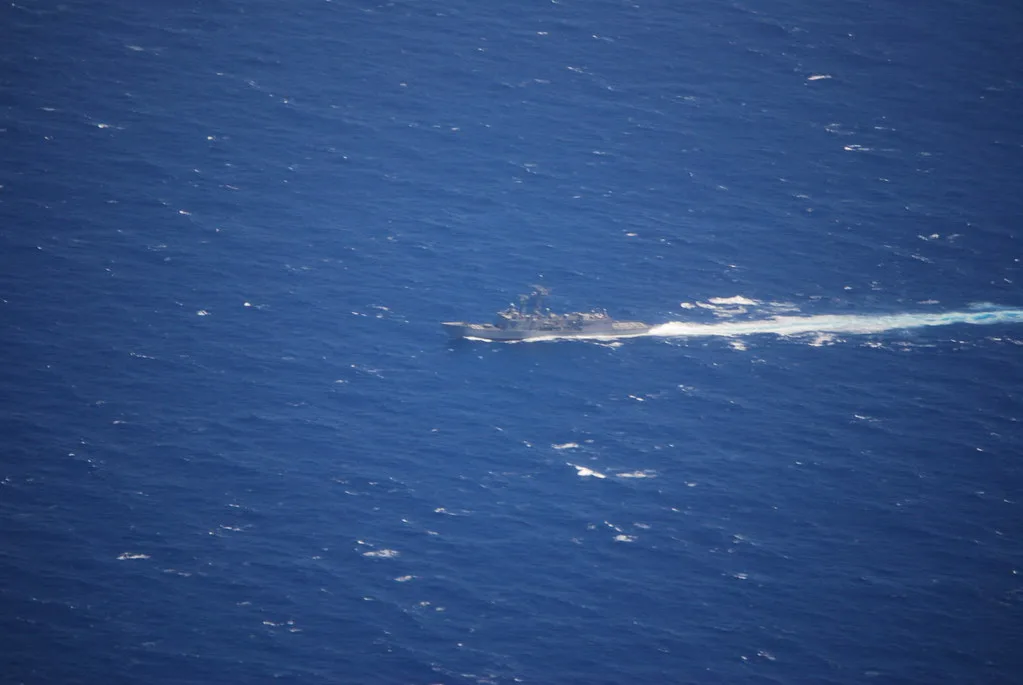
Simultaneously, the national average price for gasoline has hit multi-month highs, placing an immediate strain on household budgets. The White House, represented by Kevin Hassett, is under intense scrutiny to explain the administration’s strategy for stabilizing energy costs while managing the broader inflationary environment.
Federal Reserve Perspectives on Inflation
Minneapolis Fed President Neel Kashkari utilized the platform to provide insights into the central bank’s current monetary stance. With inflation proving more stubborn than initial projections suggested, Kashkari emphasized the need for a data-dependent approach to interest rate policy.
According to the Bureau of Labor Statistics, energy costs remain a volatile component of the Consumer Price Index. The Federal Reserve’s ongoing commitment to a two-percent inflation target continues to be challenged by the erratic nature of global fuel markets.
Legislative Responses and Economic Oversight
Senator Raphael Warnock highlighted the legislative challenges of providing relief to both airline passengers and families struggling with rising energy costs. He argued that federal intervention must prioritize consumer protections while ensuring that the aviation industry maintains the necessary resilience to prevent future market failures.
Economic experts suggest that the intersection of these issues points to a fragile recovery phase. While the labor market remains relatively robust, the erosion of purchasing power due to fuel costs threatens to dampen consumer spending in the coming fiscal quarter.
Future Market Implications
Industry observers are now shifting their attention to the long-term impacts of the aviation industry shakeup. As Spirit Airlines exits the market, the consolidation of remaining carriers could lead to higher ticket prices and reduced flight availability for budget-conscious travelers.
Looking ahead, policymakers will be watching the May inflation reports closely to determine if the current energy price spike is a transitory event or a more systemic threat to the economy. The administration’s ability to coordinate with the Federal Reserve and Congress will be the primary indicator of how effectively the government can mitigate these overlapping economic headwinds throughout the remainder of the year.