


Outbreak Investigation Underway
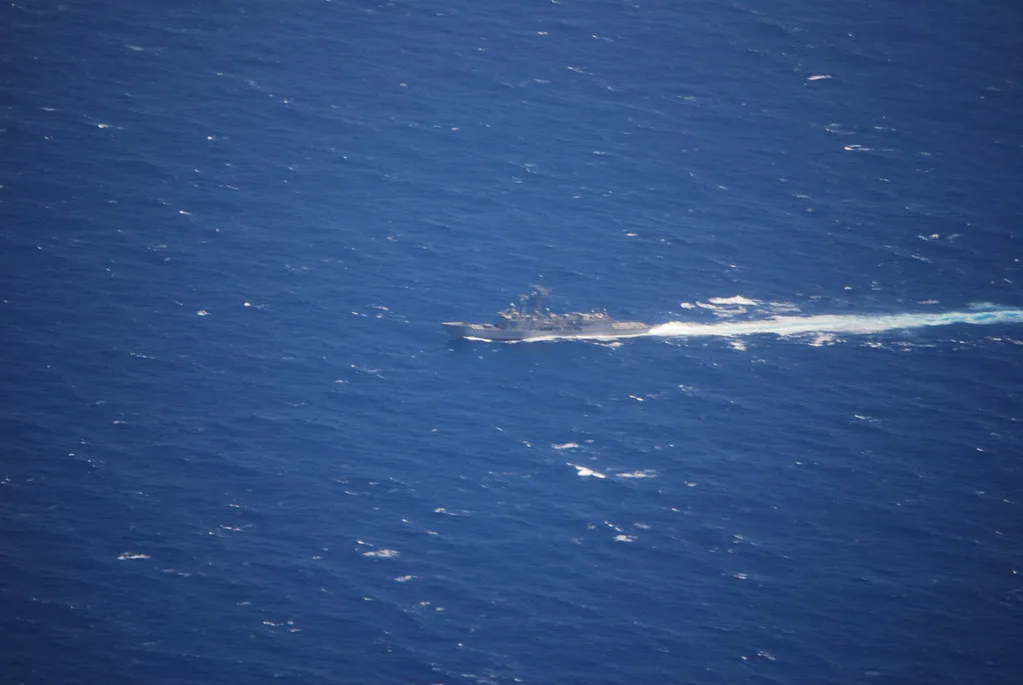
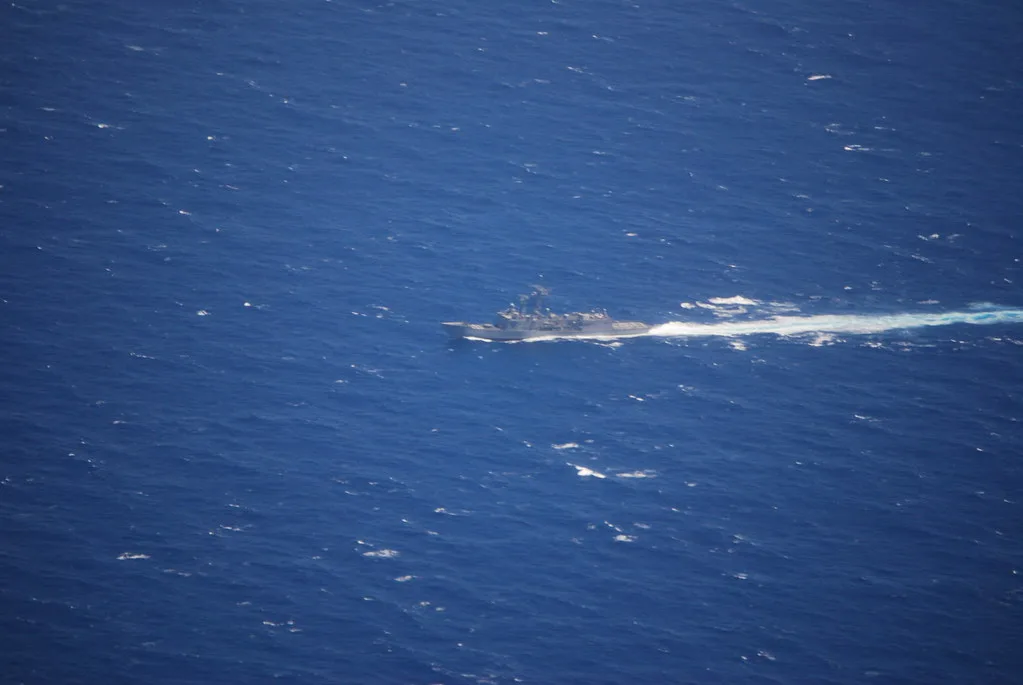
Health authorities have confirmed a suspected hantavirus outbreak aboard the cruise vessel MV Hondius, resulting in three fatalities and at least four confirmed cases of illness among passengers and crew. The incident, which occurred during a recent expedition in remote maritime waters, has triggered an international public health response as officials scramble to isolate the source of the zoonotic pathogen.
Maritime medical teams and regional health agencies are currently coordinating to manage the containment of the vessel. The MV Hondius, known for its polar expedition routes, remains under strict quarantine protocols as investigators analyze environmental samples to determine how the virus breached the ship’s internal ecosystem.
Understanding Hantavirus Transmission
Hantavirus is a rare but severe viral disease typically transmitted to humans through contact with the urine, droppings, or saliva of infected rodents. Unlike many respiratory illnesses that spread person-to-person, hantavirus is primarily contracted by inhaling aerosolized particles from contaminated nesting materials or excrement.
In the context of a cruise ship, the presence of such a virus is highly unusual. Experts suggest that rodents may have gained access to the ship’s stores or ventilation systems during a port call in a high-risk area, potentially nesting in cargo or machinery spaces before the vessel departed for its voyage.
Clinical Challenges and Containment
The clinical progression of hantavirus can be rapid, often leading to Hantavirus Pulmonary Syndrome (HPS), which causes severe respiratory distress and fluid accumulation in the lungs. Medical staff on board the MV Hondius have faced significant hurdles in providing advanced life support for those suffering from severe respiratory failure in a remote maritime environment.
According to data from the Centers for Disease Control and Prevention (CDC), while human-to-human transmission is extremely rare, the current situation highlights the vulnerabilities of confined living spaces to zoonotic contamination. Epidemiologists are currently conducting a forensic sweep of the vessel’s food storage and mechanical ventilation systems to identify potential rodent entry points.
Industry and Safety Implications
This incident serves as a stark reminder of the rigorous sanitation and pest control standards required for maritime travel. Industry experts note that as cruise ships traverse increasingly remote and ecologically diverse regions, the risk of introducing local wildlife-borne pathogens into shipboard environments grows significantly.
Cruise operators are now expected to face heightened regulatory scrutiny regarding their rodent control protocols and air filtration systems. Ship owners are being urged to implement more frequent, deep-cleaning cycles and enhanced cargo screening procedures to prevent future occurrences of similar zoonotic breaches.
Looking ahead, health officials will likely mandate new international guidelines for expedition cruises operating in regions known for high rodent populations. Observers should monitor upcoming reports from maritime health authorities regarding the final environmental assessment of the MV Hondius, as this data will likely dictate future safety protocols for the expedition cruise industry.