




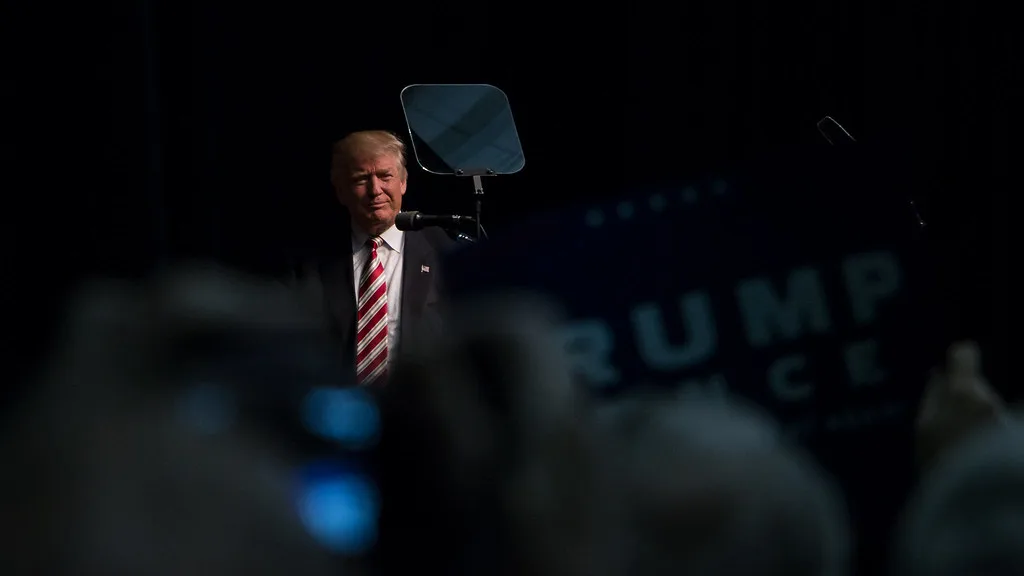
Former President Donald Trump addressed a crowd of supporters on Friday, highlighting significant national jobs growth while simultaneously providing an optimistic update on the current state of diplomatic negotiations with Iran. Speaking from the campaign trail, Trump linked the economic data to his previous policy initiatives, asserting that the labor market’s strength reflects the foundational impact of his administration’s regulatory and tax strategies.
The Context of Economic and Diplomatic Strategy
The intersection of domestic economic performance and international foreign policy has remained a central theme for the former president as he navigates the current political landscape. Trump’s remarks come at a time when labor statistics are under intense scrutiny by both policymakers and voters, serving as a primary metric for evaluating the success of past economic platforms.
Simultaneously, the situation with Tehran represents a long-standing point of tension in international relations. Historically, Trump’s approach to Iran involved a strategy of “maximum pressure,” characterized by severe economic sanctions and a withdrawal from the 2015 Joint Comprehensive Plan of Action (JCPOA). His recent comments suggest a shift toward a more communicative stance, marking a potential pivot in his proposed foreign policy agenda.
Analyzing the Labor Market Surge
Economic analysts have noted that current job figures reflect a complex recovery period following years of global volatility. While the former president credits his specific economic blueprint for the recent surge, independent labor economists point to a confluence of factors, including post-pandemic market adjustments and sector-specific hiring cycles.
Data from the Bureau of Labor Statistics continues to be the benchmark for these political claims. Supporters of the former president argue that his push for deregulation created a more favorable environment for business expansion, while critics suggest that the current market health is a result of broader macroeconomic trends that transcend individual political terms.
Diplomatic Implications for Tehran
Regarding the ongoing talks with Iran, the former president’s assertion that things are “going quite well” has drawn interest from geopolitical experts. The nature of these negotiations remains largely opaque, as formal diplomatic channels are often kept behind closed doors to ensure stability.
Foreign policy experts caution that any potential rapprochement with Iran would require significant concessions from both sides, particularly regarding nuclear enrichment programs and regional influence. The sudden optimism expressed by the former president is being viewed by some as an attempt to project strength and stability in international affairs, signaling a desire to re-engage with global powers on his own terms.
Future Outlook and Market Impact
The dual focus on domestic prosperity and international diplomacy will likely define the narrative of the coming months. For investors and industry leaders, the stability of the labor market remains the primary indicator of long-term growth, while the outcome of talks with Iran will dictate the trajectory of geopolitical risk premiums in global markets.
Observers should watch for any official statements from Tehran or international intermediaries to verify the progress of these talks. Additionally, upcoming quarterly economic reports will be critical in determining whether the current jobs momentum is sustainable or if it represents a temporary peak in a fluctuating fiscal environment.