





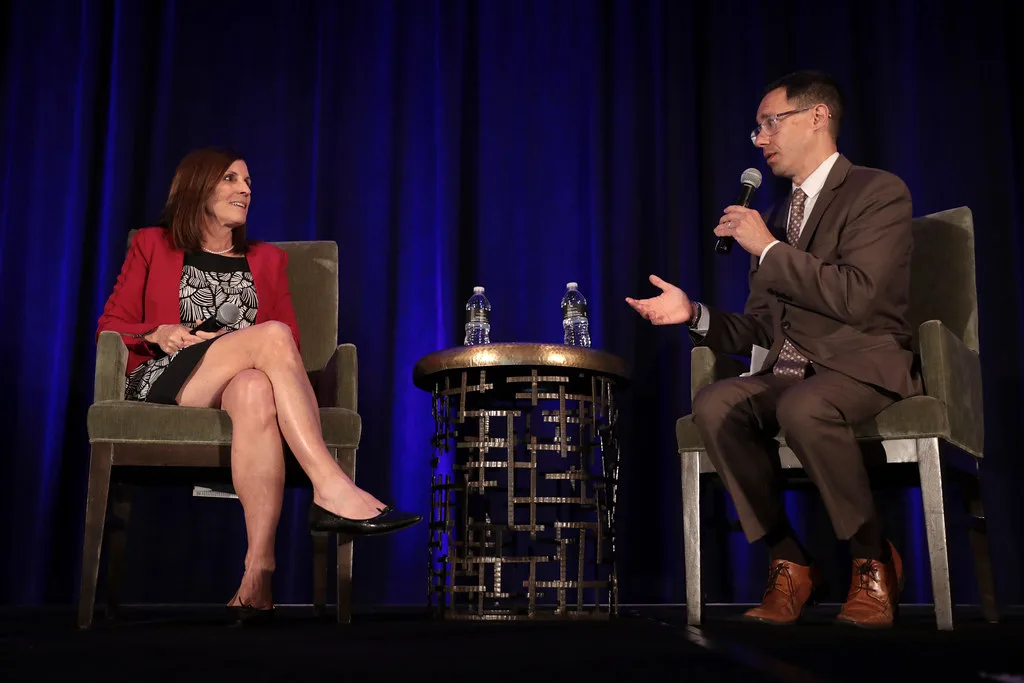
A Historic Milestone in the Senate
Senator Susan Collins of Maine made history this week by casting her 10,000th consecutive vote in the United States Senate, becoming the first legislator to reach this threshold without a single absence. The Republican senator achieved the record during a period of intense political scrutiny, as she navigates a challenging re-election campaign in her home state.
This streak, which began shortly after she took office in 1997, spans over two decades of legislative activity. Throughout this time, Collins has maintained a presence through various personal and political upheavals, ensuring her participation in every roll call vote brought to the Senate floor.
The Context of Consistency
The Senate record-keeping system tracks individual attendance for every recorded vote, a metric that has long been viewed as a hallmark of legislative diligence. While many senators miss votes due to illness, travel, or campaign commitments, Collins has prioritized floor attendance above all other duties.
Historically, the Senate has seen members with long tenures, but maintaining an uninterrupted string of 10,000 votes requires a unique commitment to the chamber’s calendar. This milestone highlights the evolving nature of Senate duties, where the pressure to be present for every procedure has intensified in an era of slim partisan margins.
Analyzing the Legislative Streak
Political analysts note that the achievement serves as a central pillar of Collins’ public image as a moderate and reliable public servant. Her supporters point to this record as evidence of her dedication to Maine and the legislative process, suggesting that her consistent presence allows her to influence outcomes even when her party holds a narrow majority or is in the minority.
Critics, however, often debate whether such streaks reflect actual legislative efficacy or simply the mechanics of voting. Nonetheless, the feat is statistically rare. According to Senate historical records, the previous record for consecutive votes was held by Senator William Proxmire, who cast 10,252 votes, though his record included a period of absence that did not interrupt his streak in the same way modern protocols define it.
Expert Perspectives
Political scientists emphasize that this record underscores the increasing professionalization of the U.S. Senate. As the legislative body becomes more polarized, every single vote takes on heightened importance for party leadership, making absences a potential liability for any senator.
Data from the Senate Library confirms that the frequency of roll call votes has increased significantly over the last thirty years. This makes the accomplishment even more difficult to achieve today compared to the mid-20th century, as the sheer volume of procedural motions requires a senator to be on call almost constantly.
Implications for the Future
This record sets a new benchmark for legislative endurance that future senators will find difficult to match. As the political environment becomes more volatile and the demands on senators expand to include national media appearances and extensive fundraising, the ability to remain physically present for every vote may become an increasingly rare trait.
Looking ahead, political observers will watch to see if this milestone provides a tangible boost to Collins’ re-election efforts. Meanwhile, the Senate will continue its tradition of recognizing such streaks, though it remains to be seen if any current member has the stamina to challenge the 10,000-vote threshold in the coming decade.