





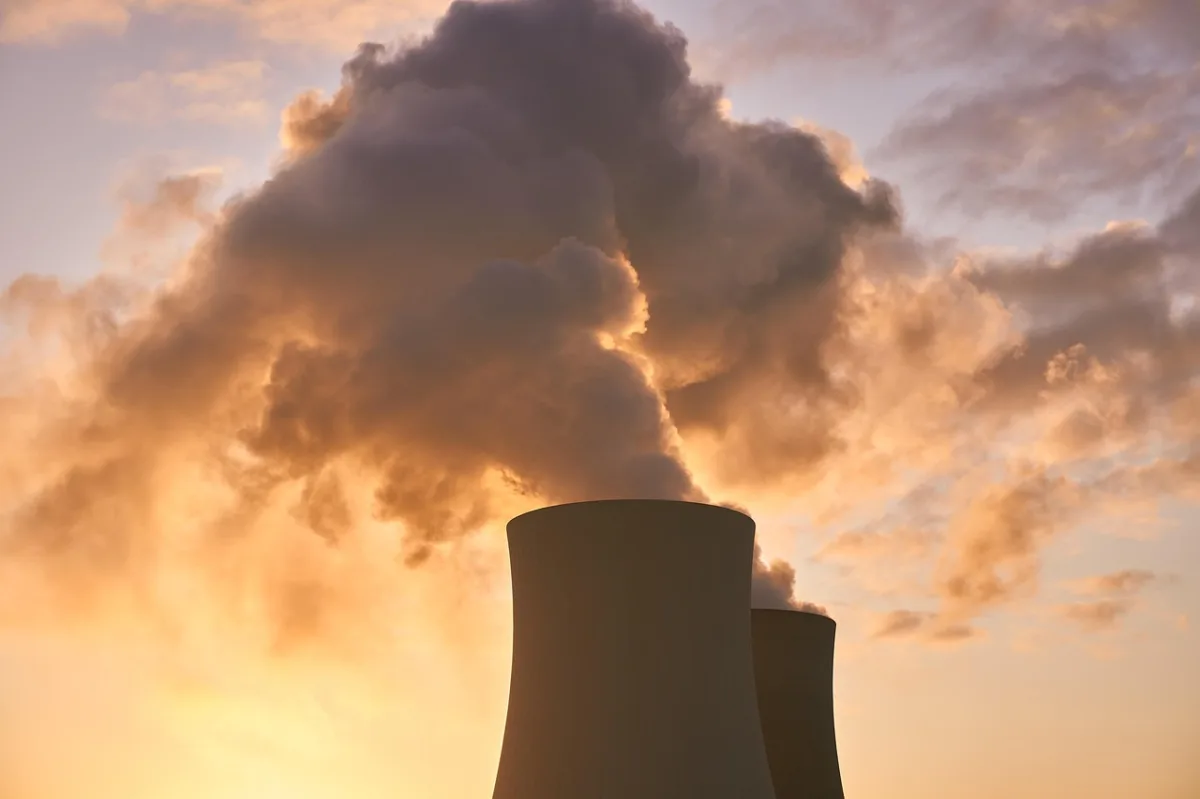
A Breakthrough in Nuclear Energy
The U.S. Department of Energy (DOE) announced this week that an advanced nuclear reactor has successfully achieved criticality, marking the first time a next-generation reactor design has reached this essential operational milestone in the United States. This achievement, confirmed at a testing facility, signifies that the reactor has attained a self-sustaining nuclear chain reaction capable of producing a consistent energy output.
Understanding Reactor Criticality
Criticality is the fundamental threshold for any nuclear power plant, representing the state where the nuclear fuel sustains a controlled chain reaction. In this state, each fission event produces enough neutrons to cause at least one additional fission event, allowing the reactor to generate heat continuously without external intervention.
Unlike traditional light-water reactors that have dominated the energy landscape for decades, this advanced model utilizes innovative cooling and fuel technologies. These designs are intended to be smaller, modular, and inherently safer than their predecessors, aiming to provide a flexible solution for decarbonizing the national power grid.
Shifting the Energy Paradigm
The successful test marks a pivot point for the nuclear industry, which has faced significant hurdles regarding cost and construction timelines in recent years. By moving toward advanced reactor designs, developers hope to lower capital requirements and reduce the complexity of plant deployment.
Data from the International Atomic Energy Agency (IAEA) suggests that the transition to small modular reactors (SMRs) and other advanced designs could be critical for meeting global net-zero emissions targets. These reactors offer the ability to scale energy production to match local demand, rather than relying solely on massive, centralized power plants.
Expert Perspectives on the Milestone
Industry analysts view this development as a validation of years of regulatory and technical investment. “Reaching criticality is not just a technical win; it is a proof-of-concept for the entire advanced reactor pipeline,” noted a lead energy policy researcher. The milestone suggests that the supply chain and safety protocols developed for these new designs are effectively functioning as intended.
However, experts caution that commercial viability remains the next major hurdle. While technical success is vital, scaling manufacturing processes and securing licensing for widespread deployment will require sustained political and financial backing over the coming decade.
Implications for the Power Grid
For the energy sector, this development indicates that modular, advanced nuclear technology is moving from the laboratory to potential real-world application. Utilities are closely watching these results as they weigh options to replace retiring coal and natural gas plants with reliable, carbon-free baseload power.
The integration of these reactors could provide the necessary stability to support intermittent renewable sources like wind and solar. As the industry moves forward, observers should watch for the next phase of operational testing, which will focus on long-term power generation efficiency and the integration of these reactors into existing electrical grids. Regulatory bodies are expected to monitor these performance metrics closely as they finalize safety frameworks for the next generation of nuclear infrastructure.