




Preserving a Fading Legacy
The British Museum has officially launched a collaborative research project with a Pune-based team to document the traditional craftsmanship of Kashmir’s iconic houseboats, as the industry faces existential threats in Srinagar. This initiative, which began in early 2024, seeks to preserve the technical knowledge and cultural history of the last remaining artisans who maintain these floating homes. The project comes at a critical juncture, as decades of government restrictions on new houseboat construction have accelerated the decline of a trade that once defined the tourism landscape of the Dal and Nigeen lakes.
The Context of a Restricted Industry
For over a century, the houseboats of Kashmir have served as a symbol of the region’s hospitality and architectural ingenuity. Constructed primarily from deodar cedar, these vessels are masterfully engineered to remain buoyant while providing luxury accommodation. However, the industry has been effectively frozen since the 1980s, when authorities imposed a strict moratorium on building new houseboats to curb the pollution and encroachment of the lakes.
While the ban was intended to protect the fragile ecosystem of Srinagar’s waterways, it inadvertently severed the transfer of skills from elder carpenters to the younger generation. With no new boats being commissioned, the demand for traditional shipwrights has plummeted. Today, only a handful of aging masters remain, leaving behind a legacy that risks being lost entirely when the current generation passes away.
Documenting the Artisanal Process
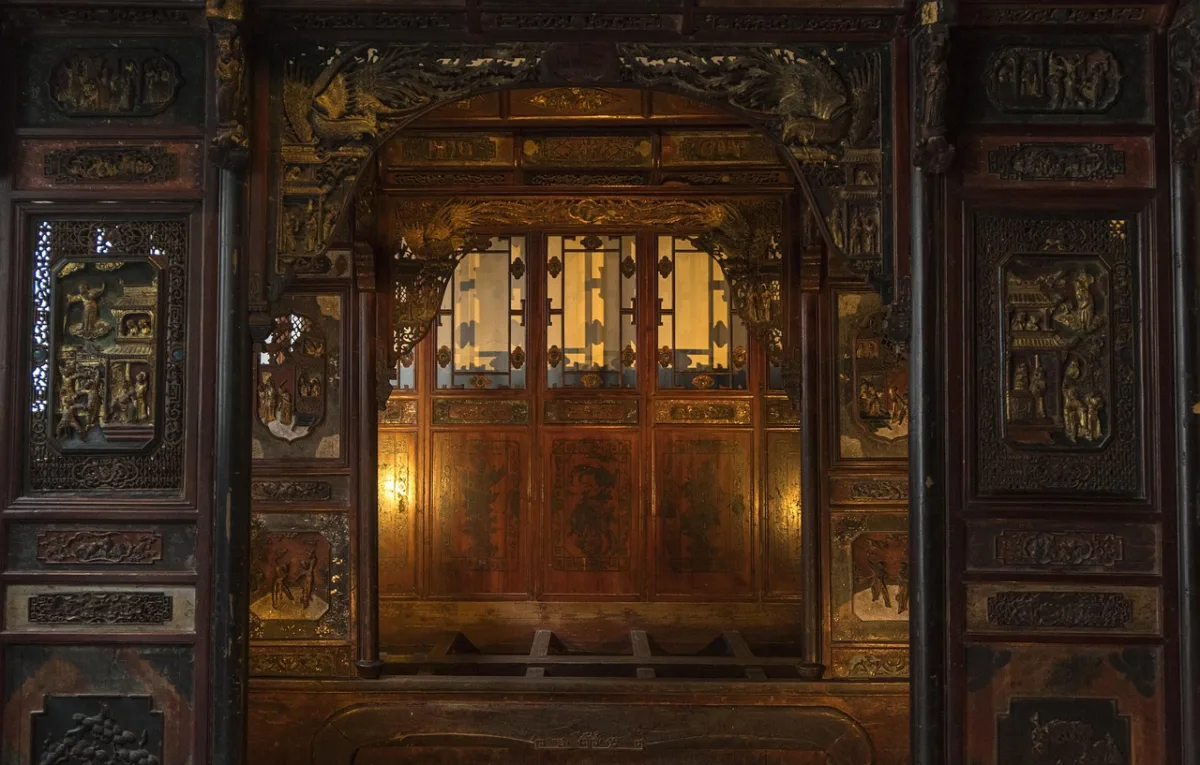
The research team, led by experts from Pune, is employing digital ethnography and architectural mapping to record every facet of the houseboat production process. This includes the intricate wood-carving techniques, the specific methods of caulking using natural fibers, and the unique structural balance required to keep the heavy wooden frames afloat. By capturing these techniques, the team aims to create a comprehensive archive that will be housed within the British Museum’s digital collections.
Beyond the physical construction, the project also documents the social history of the houseboat communities. Interviews with the families who have lived on these vessels for generations provide context on how the floating dwellings evolved from simple shelters into the elaborate, ornate structures seen today. This qualitative data is considered essential for understanding the socio-economic shift in Kashmir’s tourism sector.
Expert Perspectives on Cultural Heritage
Dr. Ananya Rao, a lead researcher on the project, emphasizes that the documentation is not merely an academic exercise but a vital act of heritage preservation. According to Rao, the loss of this craft represents more than just the disappearance of a boat-building style; it signifies the erosion of a specific vernacular architecture that is uniquely adapted to the Himalayan environment.
Data from local tourism boards suggests that while thousands of tourists still visit the lakes annually, the number of functional houseboats has steadily decreased by nearly 40 percent over the last three decades due to natural wear and the inability to replace aging structures. Preservationists argue that without a concerted effort to document these techniques, future generations will be unable to distinguish between genuine heritage structures and modern, mass-produced replicas.
Implications for the Future
The involvement of the British Museum provides a global platform for the plight of Kashmiri artisans, potentially influencing future policy debates regarding the conservation of the lakes. By framing the houseboat as a piece of living heritage, the project challenges the binary choice between environmental protection and cultural preservation. It suggests that if the craft is properly documented, it could lead to sustainable restoration programs that utilize traditional knowledge rather than modern materials.
Observers of the region’s tourism industry note that the documentation could also serve as a blueprint for other endangered artisanal crafts across South Asia. As the project progresses, the focus will shift toward public exhibitions and educational outreach, ensuring that the history of these floating homes remains accessible to both local communities and international audiences.
Looking ahead, the success of this project may depend on whether the documented knowledge can be integrated into vocational training programs in Srinagar. If the government eventually relaxes the moratorium in favor of eco-friendly, traditional construction methods, this archive could become the primary resource for training a new generation of shipwrights. Observers are now watching to see if this international recognition will spur local government action to treat the houseboat craft as a protected cultural asset rather than an environmental liability.