





U.S. Forces Intercept Iranian Drones
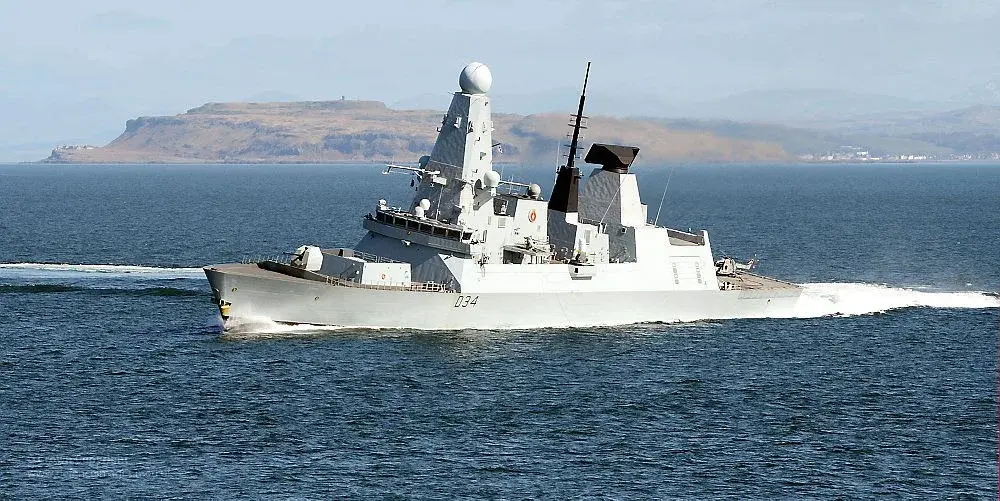
U.S. military forces intercepted and destroyed a fleet of Iranian-manufactured drones over the Strait of Hormuz early Tuesday, according to a statement from U.S. Central Command. The engagement occurred as the unmanned aerial vehicles (UAVs) were launched toward the critical maritime chokepoint, marking a significant escalation in regional hostilities. This incident follows a series of reciprocal strikes that have severely strained the fragile ceasefire currently holding in the broader Middle East conflict.
Context of the Escalation
The Strait of Hormuz serves as the world’s most important oil chokepoint, with roughly one-fifth of global oil consumption passing through its narrow waters. Tensions in the region have remained elevated for months as proxy groups and state actors engage in periodic displays of military posturing. This latest confrontation comes at a sensitive time, as international diplomats work to negotiate an extension to the existing truce, which remains increasingly tenuous.
Details of the Engagement
According to Pentagon officials, radar systems identified multiple drones originating from Iranian-aligned positions in the region. The drones were tracked on an intercept course toward commercial shipping lanes before U.S. naval assets engaged them to prevent a potential strike. No casualties or damage to U.S. vessels were reported, though the incident has reignited concerns regarding the security of international maritime trade.
Military analysts suggest that the use of low-cost drones is becoming a preferred tactic for regional actors looking to challenge U.S. naval dominance without triggering a full-scale conventional war. These systems are difficult to detect and cheap to replace, forcing the U.S. to expend high-value munitions to neutralize relatively inexpensive threats. The tactical shift underscores the evolving nature of asymmetric warfare in the Persian Gulf.
Expert Perspectives
Defense experts note that the timing of these drone launches is likely intended to exert leverage over ongoing diplomatic negotiations. Dr. Elena Rossi, a senior fellow at the Institute for Global Security, stated that the incident serves as a physical manifestation of the breakdown in back-channel communications. She noted that when diplomatic channels fail to produce immediate results, state actors often turn to “gray zone” tactics to signal their dissatisfaction.
Data from the Maritime Security Center indicates that drone sightings in the Persian Gulf have increased by 30% over the last fiscal quarter. This trend reflects a broader move toward technological integration in regional proxy conflicts. The ability of the U.S. to rapidly identify and neutralize these threats remains a top priority for the Fifth Fleet, which maintains a constant presence in the area.
Future Implications and What to Watch
The incident poses immediate risks to global energy markets and regional stability. Investors are closely monitoring the situation, as any disruption to the flow of oil through the Strait of Hormuz could trigger a sharp spike in global energy prices. Furthermore, the failure of existing diplomatic efforts to curb these provocations suggests that the region may be entering a more volatile period.
Observers should watch for the next round of ceasefire talks, specifically whether the U.S. or its regional allies impose new sanctions in response to the drone activity. The coming weeks will likely reveal whether this incident leads to a further hardening of military stances or a renewed, albeit desperate, push for de-escalation by international intermediaries.