



A Significant Papal Arrival
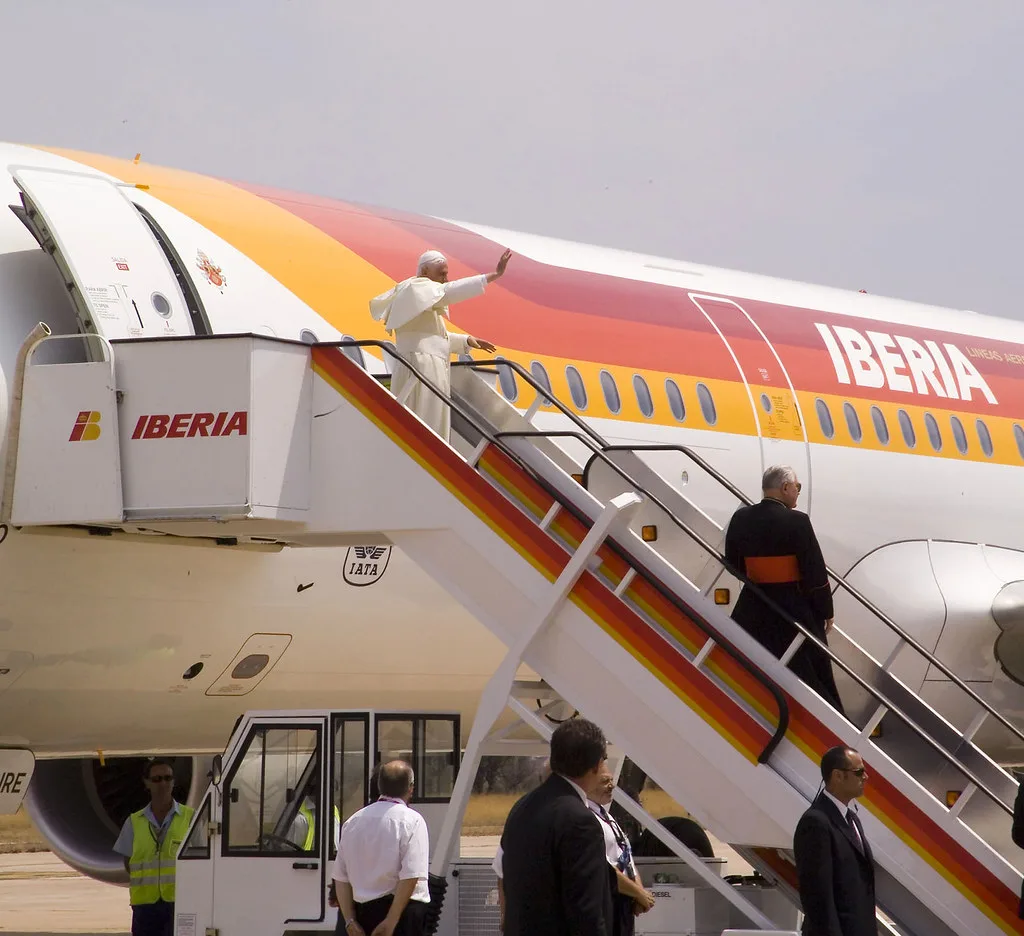
Pope Leo touched down in Madrid this morning, marking the first papal visit to Spain in 15 years. The Pontiff’s arrival comes at a critical juncture for the nation, as the country grapples with deep-seated social divisions surrounding immigration, feminism, and political integrity. Thousands of supporters gathered at Barajas Airport to welcome the leader of the Catholic Church, even as protest groups organized rallies in the city center to voice their opposition to the visit.
The Shifting Religious Landscape
Spain, historically one of Europe’s most devoutly Catholic nations, has seen a rapid decline in church attendance and religious practice over the last two decades. According to data from the Center for Sociological Research (CIS), the number of Spaniards who identify as non-religious or atheist has climbed steadily, now representing over 40% of the population. This visit serves as a strategic effort to re-engage with a secularizing society while addressing the moral challenges facing modern Spain.
Navigating Societal Fissures
The visit occurs against a backdrop of intense political polarization that has gripped the Spanish parliament and its electorate. Recent legislative debates regarding gender equality and the government’s approach to irregular migration have sparked heated rhetoric from both sides of the political spectrum. Pope Leo is expected to address these tensions during his public homilies, aiming to balance traditional theological teachings with calls for social cohesion and humanitarian compassion.
Expert Perspectives on the Visit
Sociologists observing the visit note that the Pope’s presence acts as a lightning rod for broader cultural debates. “The visit forces a public confrontation between traditionalist values and the rapid progressive shifts in Spanish law,” explains Dr. Elena Martinez, a political analyst at the University of Madrid. While the Vatican maintains that the visit is pastoral rather than political, the optics of the trip are being scrutinized by political parties looking to leverage the Pope’s message for their own agendas.
Economic and Social Implications
Beyond the symbolic weight of the visit, local businesses and authorities are managing the logistical challenges of hosting a global leader. The security operation involves thousands of police officers, and city officials have anticipated significant disruptions to public transport in major urban centers. For the Catholic Church in Spain, the success of the trip will be measured by the participation levels at the Pope’s open-air masses and his ability to resonate with the younger generation, which has largely drifted away from the institution.
Looking Ahead
Observers will be closely watching the Pope’s meeting with government officials to see if he directly addresses specific national policies or maintains a broader, neutral stance on social issues. The long-term impact of this visit will likely depend on whether the Vatican’s message of reconciliation can bridge the widening gap between the nation’s traditional religious identity and its modern, diverse political reality. Future developments will hinge on how the Church adapts its communication strategy to address the concerns of a demographic that is increasingly skeptical of traditional authority structures.