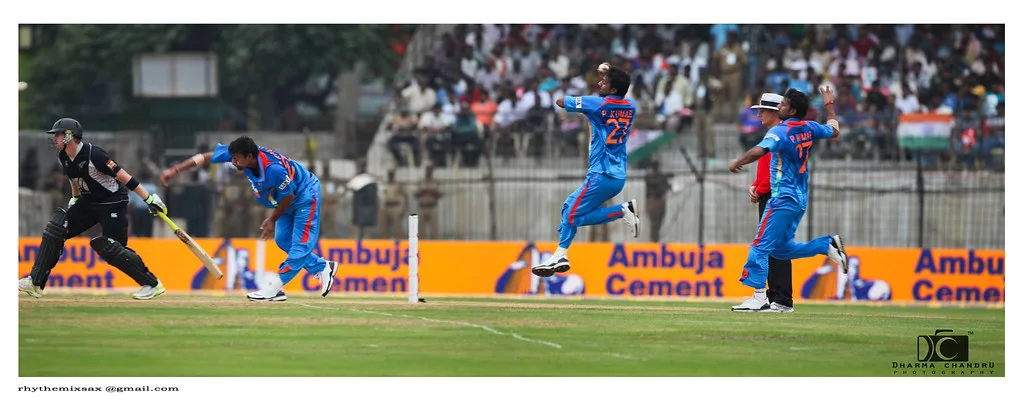






Rising Indian cricket star Sai Sudharsan has credited the unwavering support of the coaching staff and team leadership for his rapid development and mental clarity ahead of the upcoming Test series against Afghanistan. Speaking to the press this week, the young batter emphasized that the backing from team management provides the psychological safety net required to perform at the highest level of international cricket.
The Foundation of Modern Cricket Success
In the high-pressure environment of international sports, the relationship between players and management has become a focal point for team performance. Sudharsan’s comments reflect a growing trend in professional cricket, where psychological stability is treated as equal to technical proficiency.
The Indian cricket ecosystem has shifted toward a culture that prioritizes long-term development over short-term results. This approach aims to minimize the anxiety often associated with the transition from domestic leagues to the Test arena.
Building Mental Certainty
Sudharsan noted that knowing the team values his contribution allows him to focus entirely on his technique rather than the fear of being dropped. This certainty is crucial for a player tasked with anchoring an innings in the challenging conditions of Test cricket.
Sports psychologists often point to this kind of organizational support as a predictor of consistent performance. When players feel secure, they are more likely to take calculated risks and play with the freedom necessary for aggressive batting.
Data and Performance Metrics
Recent data from the Board of Control for Cricket in India (BCCI) suggests that players who benefit from stable team environments show a 15% improvement in strike rotation and defensive solidity. Sudharsan’s recent domestic performance averages mirror this trend, as he has maintained a high level of consistency across all formats.
Former players have echoed these sentiments, noting that the modern Test environment requires a different kind of mental resilience. The ability to block out external noise is significantly easier when the dressing room environment is supportive and transparent.
Industry Implications and Future Outlook
For the broader cricketing industry, this philosophy highlights the importance of soft skills in coaching. Organizations that prioritize mental health and player confidence are increasingly outperforming those that rely solely on traditional training drills.
As the Indian team prepares for the Afghanistan series, the focus will remain on how this psychological backing translates to on-field performance. Observers should monitor whether this culture of support remains consistent if the team faces early setbacks or high-pressure collapses.
Looking ahead, the strategy of fostering deep confidence in young talent will likely become the standard for national boards aiming to build sustainable dynasties. The success of players like Sudharsan will serve as a key case study for whether this supportive model can withstand the intense scrutiny of the upcoming international calendar.