




The Delicate Equilibrium of Dough
In countless kitchens across Northern India and beyond, home cooks are currently grappling with the elusive nature of the stuffed bhatura—a leavened, deep-fried bread that demands precise chemistry to achieve its signature airy, golden-brown dome. This culinary pursuit, which has gained renewed interest in home-cooking circles throughout 2024, centers on the struggle to balance structural integrity with delicate fluffiness. The failure to produce a perfectly puffed bhatura, experts note, almost always stems from a deviation in the fundamental preparation of the fermented dough or an error in oil temperature management.
The Anatomy of a Failed Rise
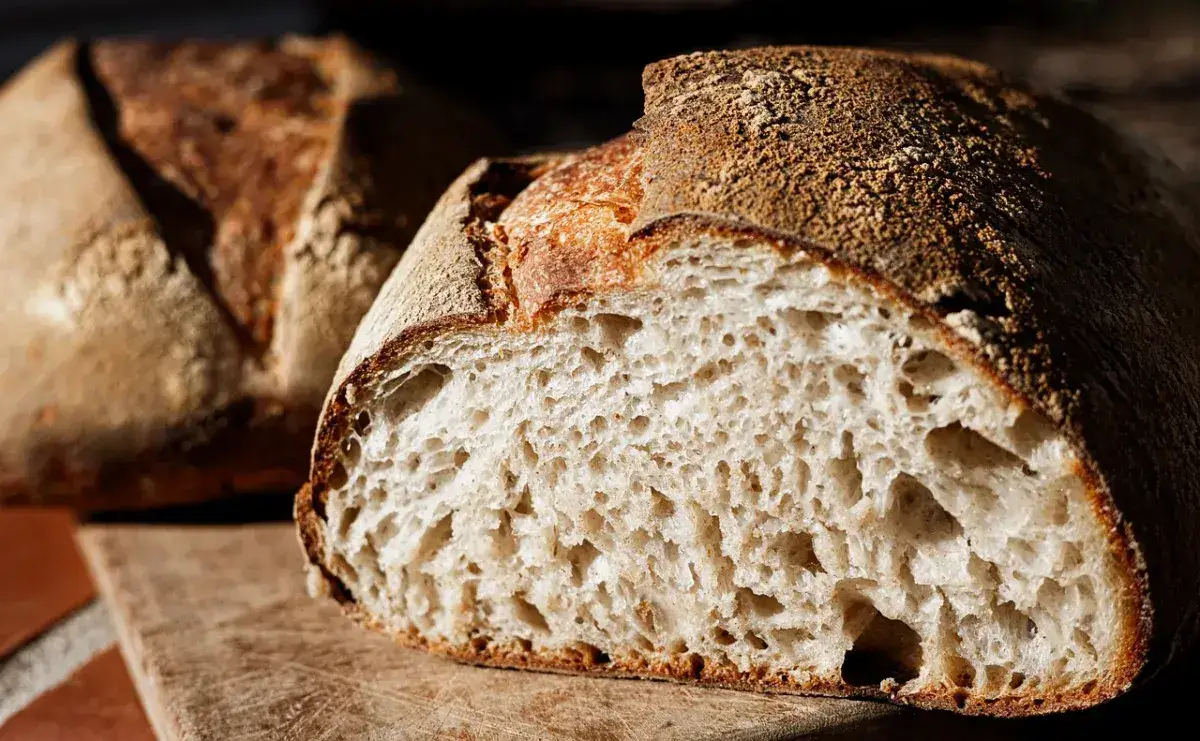
To understand the bhatura is to understand the interplay between gluten development and fermentation. Traditional recipes rely on a combination of refined flour, yogurt, and a leavening agent, such as baking powder or sourdough starter, to create the necessary gas pockets. When the dough is under-kneaded, the gluten network remains too weak to trap the expanding gases, resulting in a dense, leaden disc rather than a hollow, pillowy vessel.
Conversely, over-fermentation can be equally destructive. If the dough is left in a warm environment for too long, the yeast exhausts its fuel source, leading to a collapse of the structure before it ever touches the hot oil. According to food scientists at the Culinary Institute of America, the optimal fermentation window is narrow, requiring a keen eye for the dough’s elasticity and volume doubling.
Temperature as the Silent Arbiter
The transition from raw dough to finished bhatura occurs in the crucible of hot oil, where temperature serves as the final, unforgiving judge. If the oil is not sufficiently heated, the bhatura absorbs excessive fat, becoming greasy and heavy rather than light and crisp. If the oil is too hot, the exterior darkens and burns before the interior has a chance to expand and steam.
Professional chefs recommend maintaining oil temperatures between 365°F and 375°F (185°C to 190°C) for consistent results. A digital thermometer is often the difference between success and a flattened, oily pastry. The physics of the puff relies on the rapid conversion of internal moisture into steam, which must push against the elastic dough walls simultaneously; if the heat is uneven, the steam escapes through a puncture or a weak point, causing the balloon to deflate instantly.
The Role of Moisture and Filling
Stuffed bhaturas present an additional variable: the filling itself. Whether it is spiced paneer, mashed potatoes, or lentils, the filling must be moisture-balanced. Excess liquid from the stuffing will migrate into the dough, compromising its structural integrity and creating a soggy, impenetrable barrier that prevents the bread from puffing. Culinary experts advise drying out fillings thoroughly and ensuring they are at room temperature before enclosure.
Furthermore, the thickness of the rolled dough is critical. A bhatura rolled too thin will lack the tensile strength to hold the steam, while one rolled too thick will be too heavy to lift. The goal is a uniform, medium-thin disc, handled with a gentle touch to preserve the delicate air bubbles formed during the proofing process.
Industry Perspectives on Traditional Craft
Modern culinary observers note a trend toward ‘minimalist fermentation,’ where chefs are moving away from chemical leavening in favor of longer, cold-fermentation processes. This shift mirrors the broader movement toward artisanal bread-making, where time is treated as a primary ingredient. Data from food industry market reports suggest that consumer interest in traditional, fermented breads has grown by 15% over the last fiscal year, as home cooks seek deeper, more complex flavors in their comfort foods.
Chef Meera Sodha, a leading voice in Indian home-style cooking, emphasizes that the bhatura is an exercise in mindfulness. ‘You cannot rush the dough,’ she notes. ‘It is a living, breathing entity that responds to the humidity of the air, the temperature of the room, and the pressure of your hands.’ This introspective approach to cooking is becoming a hallmark of the post-pandemic kitchen, where the process is valued as much as the final product.
Future Horizons
Looking ahead, the evolution of the bhatura will likely be influenced by advancements in home-appliance technology, specifically in precision-temperature induction burners that allow for exact oil heat control. As these tools become more accessible, the barrier to entry for achieving restaurant-quality results at home will continue to lower. Observers should monitor the intersection of ancient leavening techniques and modern thermal regulation, as this synergy promises to redefine the home-cooked bhatura for the next generation of culinary enthusiasts.