




The Delicate Equilibrium of Dough
In kitchens across North India and diaspora homes globally, the bhatura remains a culinary paradox—a humble, fermented flatbread that demands the precision of a laboratory experiment to achieve its signature golden, spherical puff. Home cooks often struggle with bhatura that collapses into a dense, oily disc rather than inflating into the airy, hollow vessel intended to cradle spicy chole, a frustration that stems from subtle errors in hydration, temperature, and resting time.
The Science of Fermentation and Texture
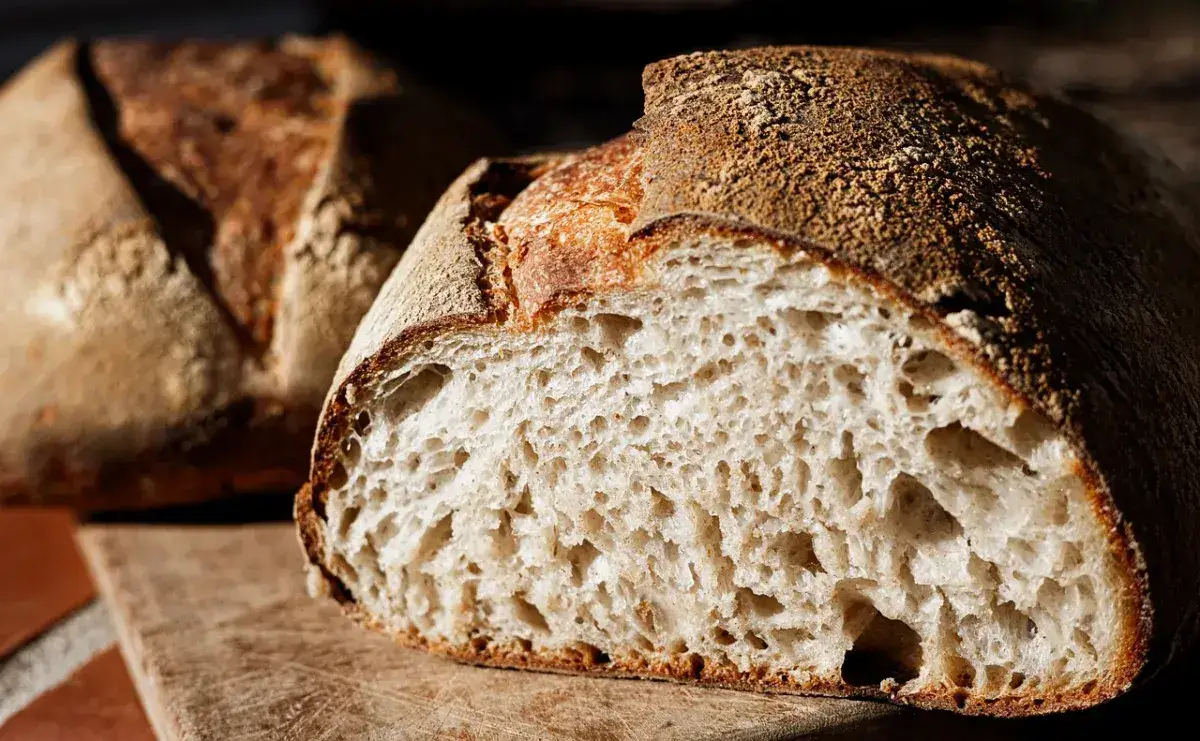
The bhatura’s rise is governed by the volatile dance of yeast and lactic acid bacteria, typically introduced through a base of yogurt and a touch of sugar. When the dough is not allowed sufficient time to ferment, the gluten network remains too rigid to expand under the sudden thermal shock of hot oil, leading to a heavy, chewy texture. Experts suggest that a minimum of four to six hours of resting is essential for the proteins to relax, allowing the internal gases to build the necessary structure for that iconic balloon-like inflation.
Managing the Thermal Threshold
The most common failure in bhatura preparation occurs at the frying station, where oil temperature dictates the structural integrity of the bread. If the oil is not sufficiently heated—ideally between 180 and 190 degrees Celsius—the dough absorbs the fat before the leavening agents can react, resulting in a greasy, sodden crust. Conversely, excessively hot oil burns the exterior before the heat can penetrate the center, leaving the core raw and unrisen.
The Role of Flour and Hydration
The choice of flour serves as the foundation for the dish’s structural potential, with refined flour (maida) remaining the industry standard for its high gluten content. However, the hydration level is often misjudged; a dough that is too stiff lacks the elasticity to expand, while one that is too wet loses its shape the moment it touches the pan. Culinary research indicates that incorporating a small portion of semolina (sooji) provides the necessary crunch and structural scaffolding to help the bhatura maintain its shape once it exits the fryer.
The Art of the Gentle Press
Professional chefs emphasize the importance of the ‘basting’ technique, where the cook gently presses the edges of the bhatura with a slotted spoon as it hits the oil. This action forces the air pockets to distribute evenly, creating a consistent internal chamber rather than a single, ruptured bubble. This rhythmic motion, often described as a meditative act in traditional Indian kitchens, is the final bridge between a flat pancake and a culinary masterpiece.
Implications for the Home Cook
As the culinary world pivots toward artisanal and home-cooked heritage recipes, the mastery of traditional techniques like bhatura making signals a return to slow, deliberate cooking. Those who refine these variables find that the process becomes less about following a rigid recipe and more about reading the tactile cues of the dough. Looking forward, we expect to see more digital precision in home kitchens, with cooks utilizing infrared thermometers and humidity-controlled proofing boxes to demystify the variables that have long made the bhatura an elusive achievement for the amateur chef.