




The Stakes of the Tamil Nadu Assembly Elections
Tamil Nadu’s electorate headed to the polls this week in a high-stakes legislative contest that pits the incumbent Dravida Munnetra Kazhagam (DMK) against a resurgent All India Anna Dravida Munnetra Kazhagam (AIADMK) and the newly minted Tamilaga Vettri Kazhagam (TVK). With record-breaking voter turnout reported across major urban centers and rural districts, the election serves as a barometer for the state’s political trajectory. Analysts suggest that the results, expected to be tallied within days, will determine whether Chief Minister MK Stalin secures a second consecutive term or if the political landscape undergoes a radical realignment.
Contextualizing the Political Rivalries
The current election cycle follows years of intense competition defined by ideological clashes and shifting alliances. The DMK, led by MK Stalin, has campaigned heavily on its record of welfare-oriented governance and infrastructure development. Conversely, the AIADMK, grappling with internal leadership transitions, is positioning itself as the primary alternative, banking on its historical base in the state’s interior regions.
This election is distinguished by the entry of actor-turned-politician Vijay and his party, the TVK. By tapping into a massive, youth-oriented fan base, the TVK has disrupted the traditional two-party dynamic that has dominated Tamil Nadu politics for decades. This entry has transformed many constituencies into multi-cornered contests, complicating standard electoral math and making predictions increasingly difficult.
Key Constituencies and Voter Dynamics
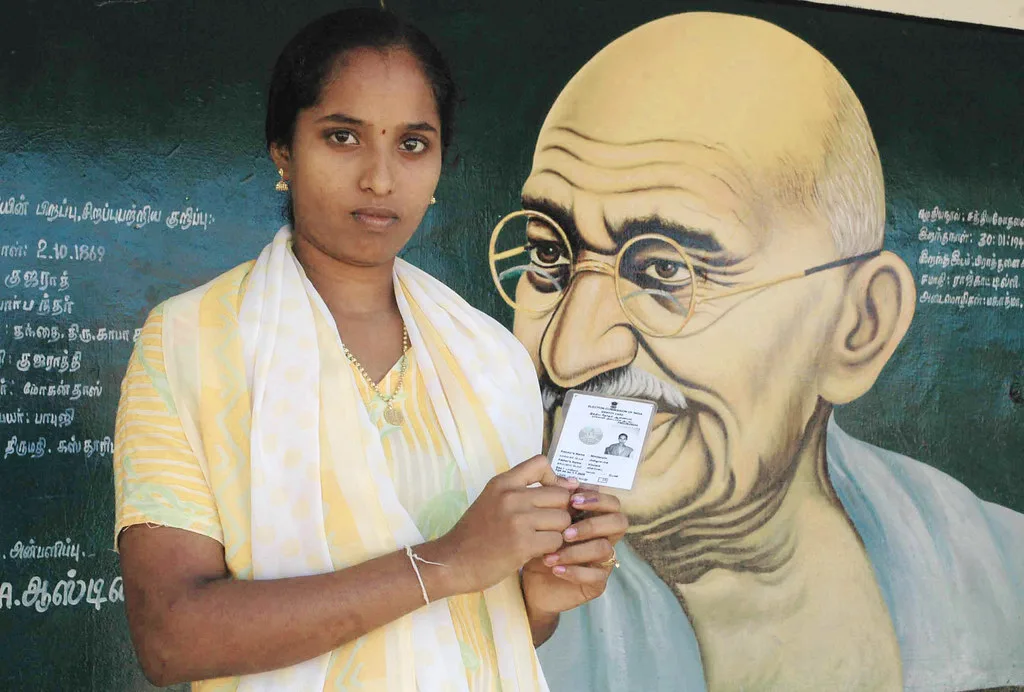
Intense battles are unfolding in pivotal constituencies such as Kolathur and Perambur. In Kolathur, Chief Minister Stalin faces a strategic challenge as opposition parties consolidate resources to test his stronghold. Data from the Election Commission indicates that young voters—a demographic often characterized by lower turnout in previous cycles—have participated in record numbers this year.
Political observers note that the surge in youth participation is directly correlated with the emergence of the TVK. “The presence of a new, charismatic force has acted as a catalyst for engagement,” says Dr. S. Ramanathan, a senior political analyst. “We are seeing a demographic shift where the traditional loyalty to the two major Dravidian parties is being challenged by a desire for a third-way approach.”
Economic and Social Implications
For the average citizen, this election is a referendum on the state’s economic management and social welfare policies. The DMK’s focus on the ‘Dravidian Model’ of growth has been countered by the AIADMK’s promises of fiscal discipline and administrative reform. Meanwhile, the TVK has prioritized issues of transparency and governance, attempting to bridge the gap between traditional political rhetoric and the aspirations of the state’s burgeoning tech-savvy workforce.
Industry leaders are watching the outcome closely, as the state government’s policy on industrial incentives and labor laws remains a cornerstone of the regional economy. A decisive victory for any single entity would likely ensure policy stability, whereas a fragmented assembly could lead to a period of legislative uncertainty and coalition bargaining.
Looking Toward the Future
As the final ballots are counted, the immediate focus shifts to the formation of the new government and the viability of new political entrants. Observers will be closely monitoring how the established parties accommodate the rising influence of the TVK in the legislative assembly. Should the youth vote translate into significant seat gains for the TVK, the political landscape of Tamil Nadu may remain in a state of flux for the foreseeable future, forcing traditional parties to rethink their outreach strategies and platform priorities.