



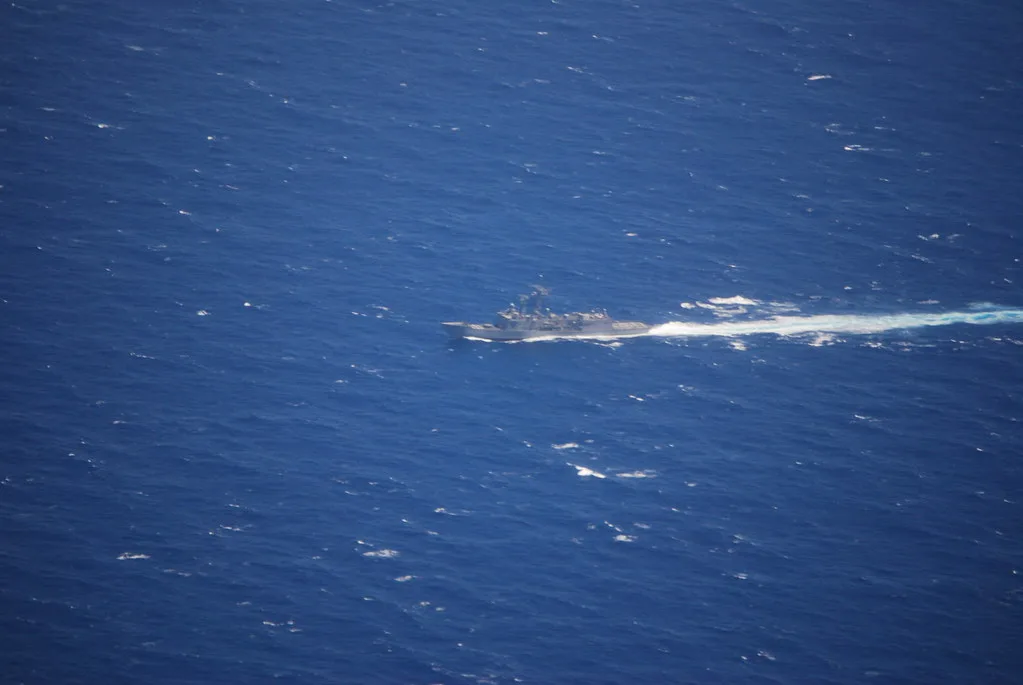
The Iranian parliament’s national security commission declared on Tuesday that any entry of United States forces into the Strait of Hormuz will be met with immediate military action, characterizing such a move as a direct violation of existing ceasefire agreements. This escalation marks a significant tightening of Iran’s maritime security posture, as Tehran asserts its authority over the critical waterway responsible for approximately 20% of the world’s total petroleum consumption.
The Strategic Significance of the Strait
The Strait of Hormuz serves as the world’s most important oil chokepoint, connecting the Persian Gulf with the Gulf of Oman and the Arabian Sea. Millions of barrels of crude oil pass through this narrow passage daily, making it a focal point for global energy security and international naval patrols.
For decades, the U.S. Fifth Fleet has maintained a consistent presence in the region to ensure freedom of navigation. Iran, however, has long viewed this presence as an infringement on its sovereign rights and a source of regional instability.
Shifting Maritime Security Dynamics
The latest announcement from the Iranian national security commission signals a transition toward a more restrictive maritime regime. By framing the presence of U.S. forces as a breach of a ceasefire, Tehran is attempting to leverage diplomatic and legal arguments to justify a more aggressive stance in its home waters.
Military analysts note that Iran has increasingly utilized its Islamic Revolutionary Guard Corps (IRGC) Navy to challenge Western vessels. These tactics often involve swarm maneuvers by small, fast-attack boats and the deployment of advanced anti-ship missile systems positioned along the Iranian coastline.
Expert Analysis and Regional Tensions
Defense experts suggest that this rhetoric is intended to deter Western intervention in the wake of heightened regional volatility. According to data from the U.S. Energy Information Administration (EIA), any disruption in the Strait could lead to immediate and drastic spikes in global oil prices, impacting economies worldwide.