



The Policy of Seizing Iranian Cargo
Former President Donald Trump, addressing a campaign rally in Florida this past Saturday, described the strategic seizure of Iranian oil tankers in the Strait of Hormuz as a highly profitable endeavor, comparing the operations to the actions of pirates. The remarks highlight a controversial aspect of U.S. maritime policy, where the government has historically utilized sanctions enforcement to intercept vessels suspected of violating international trade regulations.
Contextualizing Maritime Enforcement
The Strait of Hormuz serves as one of the world’s most critical maritime chokepoints, through which approximately one-fifth of the world’s petroleum consumption flows. Under the Trump administration, the U.S. pursued a ‘maximum pressure’ campaign against Iran, which included the utilization of civil forfeiture laws to seize oil shipments believed to be linked to the Islamic Revolutionary Guard Corps. These seizures were framed by officials at the time as necessary measures to defund state-sponsored activities and enforce U.S. sanctions.
The Mechanics of Interdiction
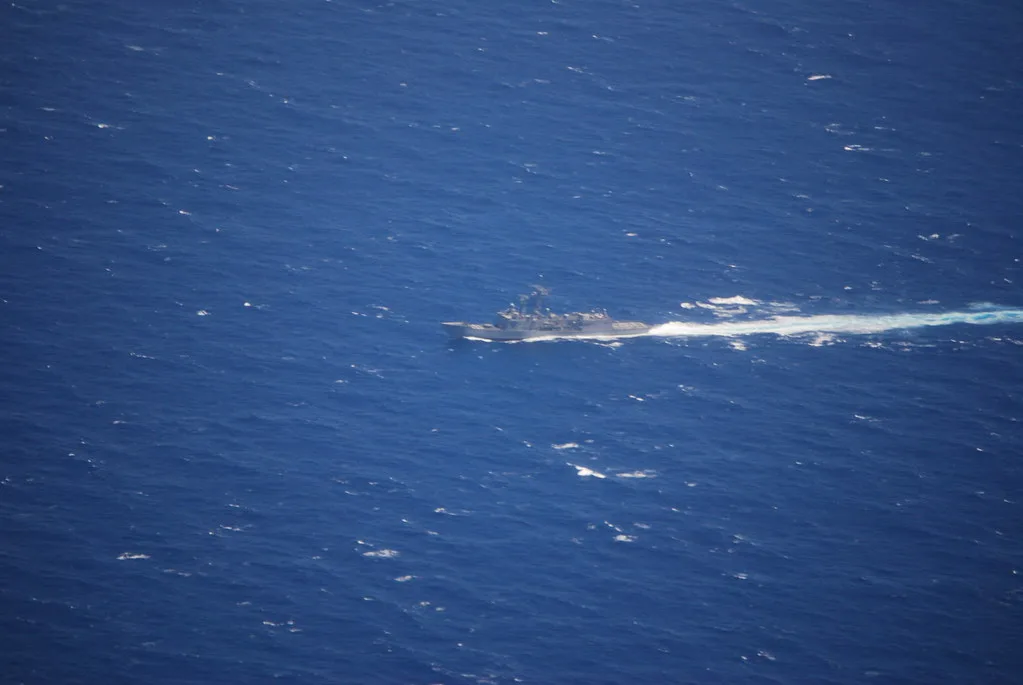
The process of seizing these vessels typically involves coordinated efforts between the U.S. Navy and the Department of Justice. When a vessel is flagged for violating sanctions, U.S. authorities often issue warrants for the cargo, leading to boarding operations in international waters. Once the vessel is secured, the cargo is often redirected to U.S. ports, where it is sold at auction, with the proceeds deposited into the U.S. Treasury.
Legal and Diplomatic Perspectives
International law experts remain divided on the legality of these actions. Critics argue that seizing commercial vessels in international waters without a clear mandate from the United Nations or a declared state of war undermines the freedom of navigation and risks retaliatory measures. Supporters, however, point to the U.S. government’s authority to enforce sanctions against entities designated as terrorist organizations, arguing that the cargo constitutes illicit assets.
Global Market Implications
Data from the U.S. Energy Information Administration reflects that these interdictions have had a negligible impact on global oil prices, yet they serve as a significant geopolitical signal. For the shipping industry, the practice adds a layer of operational risk for tankers transiting the Persian Gulf. Insurance premiums for vessels operating in the region have surged periodically, directly correlating with the increased frequency of maritime boardings and escalations between Tehran and Washington.
Future Outlook and Escalation Risks
As the geopolitical landscape in the Middle East remains volatile, the continuation of such policies presents a persistent challenge for maritime security. Observers are now watching for how future administrations might balance the enforcement of economic sanctions with the preservation of diplomatic stability in the region. The potential for miscalculation during these high-stakes boarding operations remains a primary concern for international maritime agencies, as any tactical error could trigger a broader confrontation in the vital energy corridor.