



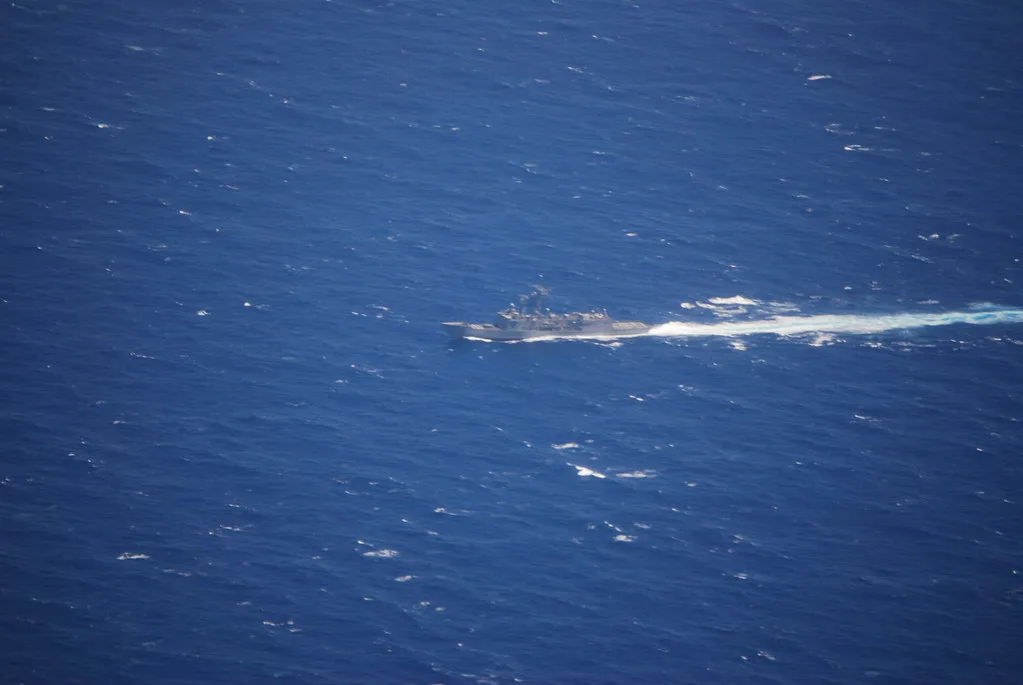
Former U.S. President Donald Trump has officially announced the launch of ‘Project Freedom,’ a strategic naval initiative designed to assist and escort merchant vessels stranded in the Strait of Hormuz. The announcement, delivered during a press conference on Tuesday, comes as regional hostilities between Israel and Iran have reached a critical inflection point, threatening global energy supply chains.
Context of the Maritime Crisis
The Strait of Hormuz serves as a vital artery for global commerce, with approximately one-fifth of the world’s oil supply passing through its narrow waters daily. Tensions in the region have escalated sharply following recent military exchanges between Israel and Iran, leading to a de facto blockade that has left dozens of commercial tankers unable to navigate the route safely.
International shipping firms have faced mounting pressure as insurance premiums for transit through the Persian Gulf have spiked to record levels. The inability to guarantee safe passage has prompted several major logistics companies to divert vessels, raising concerns about potential spikes in global fuel and commodity prices.
Strategic Implications of Project Freedom
Project Freedom aims to deploy a coalition of naval assets to provide security guarantees for cargo ships caught in the crossfire. By establishing protected maritime corridors, the initiative seeks to stabilize the flow of goods and prevent a localized conflict from triggering a wider economic crisis.
Proponents of the plan argue that a visible Western naval presence is necessary to deter further aggression in the shipping lanes. However, the proposal has encountered immediate diplomatic resistance from Tehran, which views the move as an unauthorized intervention in sovereign waters.
Official Responses and Geopolitical Stance
Ebrahim Azizi, the head of the national security commission in Iran’s parliament, issued a stern warning following the announcement. Azizi stated that any unilateral U.S. military action within the Strait of Hormuz would be considered a direct breach of existing ceasefire agreements and a violation of Iranian sovereignty.
The Iranian government has characterized the initiative as a provocative maneuver rather than a humanitarian effort. Tehran maintains that regional security should be managed by the nations bordering the Gulf, rather than external powers.
Impact on Global Markets
Energy analysts suggest that the market reaction will depend heavily on the scale of the deployment and the willingness of international allies to participate. According to data from the International Energy Agency (IEA), even minor disruptions in the Strait of Hormuz have historically led to significant volatility in Brent crude benchmarks.
Supply chain experts are closely monitoring whether the presence of U.S.-led escorts will successfully lower insurance risk or if the increased military density will raise the likelihood of a tactical miscalculation. Industry stakeholders remain cautious, noting that the logistical complexity of coordinating safe passage through contested waters remains a high-risk endeavor.
Future Developments to Watch
In the coming days, international observers will be watching for the formal deployment schedule of the naval escorts and any potential responses from the Iranian Revolutionary Guard Corps. The success of Project Freedom will likely hinge on the level of diplomatic coordination between the United States and its regional partners, as well as the ability of participating vessels to avoid direct confrontations.
As the situation develops, the global community will focus on whether the project can effectively de-escalate the maritime standoff or if it will serve as a catalyst for further regional instability. Any further rhetoric from the Iranian parliament or additional naval movements will serve as critical indicators of the project’s long-term viability.