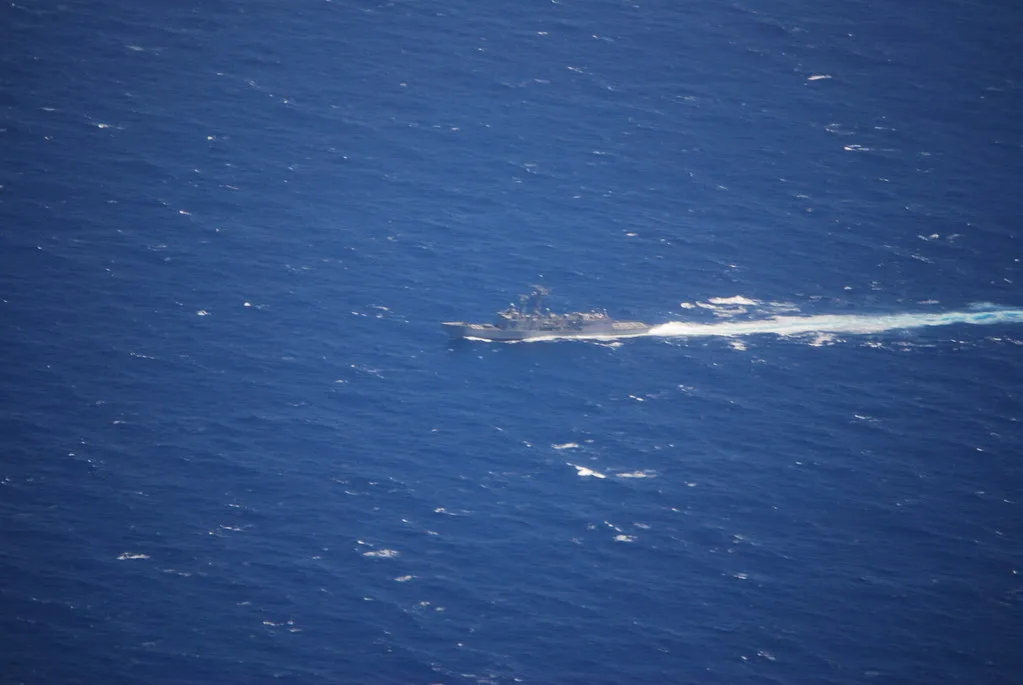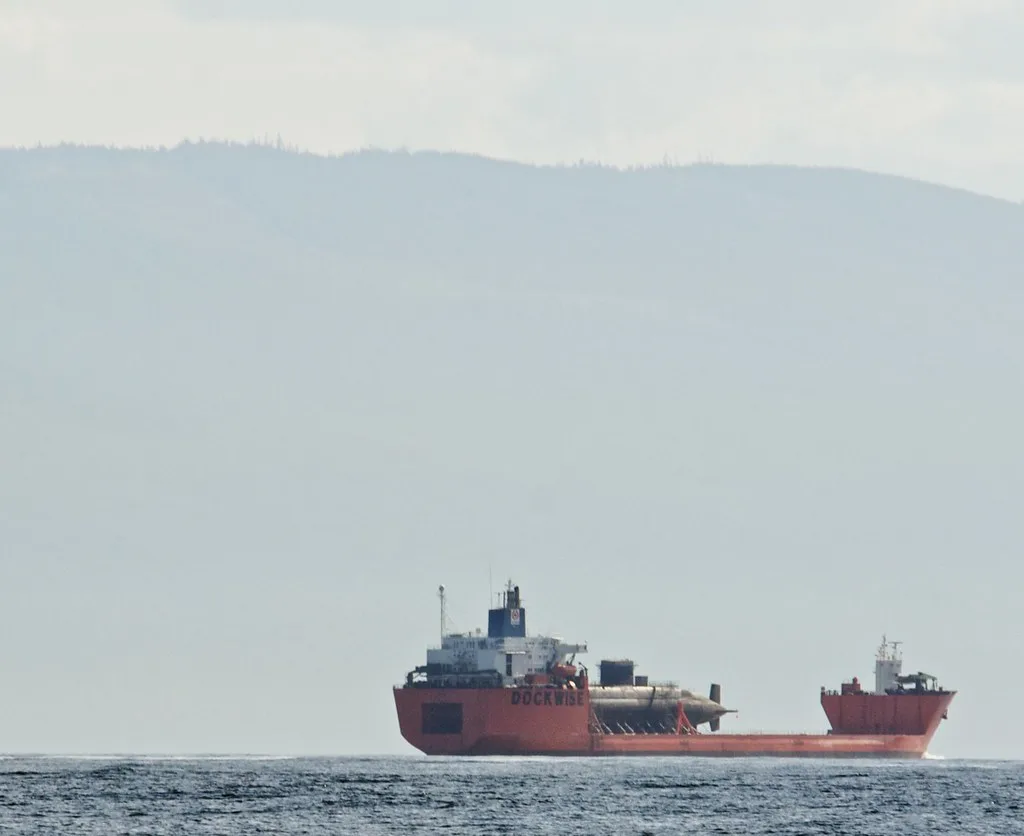





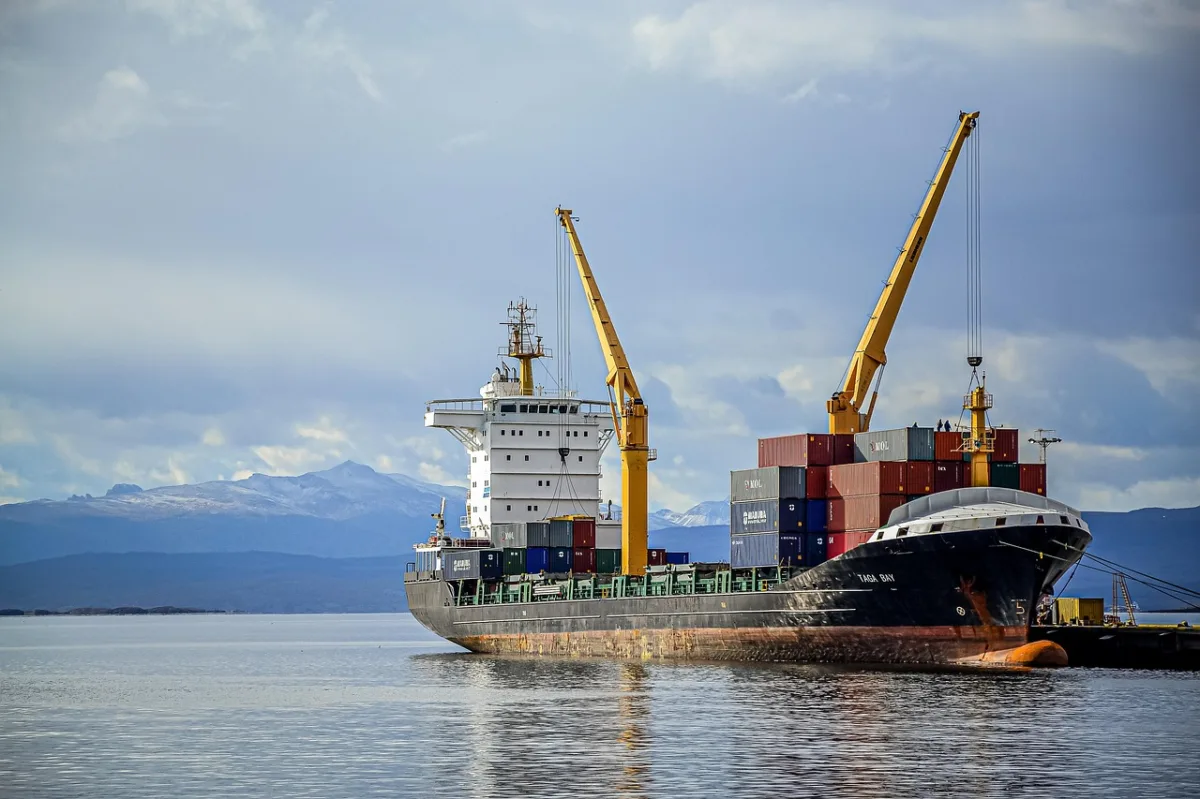
Spanish police have intercepted a massive shipment of cocaine in the Atlantic Ocean, with law enforcement unions estimating the haul could reach as much as 40 tons. This unprecedented seizure, confirmed by police sources this week, represents the largest single recovery of the illicit substance in Spanish history and marks a significant blow to international maritime drug trafficking routes.
Context of Maritime Drug Trafficking
Spain has long served as a primary gateway for narcotics entering Europe from South America, largely due to its extensive coastline and historical ties with Latin American trade partners. The Atlantic route remains a preferred corridor for cartels, who utilize everything from modified fishing vessels to commercial freighters to bypass traditional surveillance.
International law enforcement agencies, including Europol and the United States Drug Enforcement Administration, have noted an uptick in maritime smuggling activity over the last 24 months. Recent intelligence reports suggest that cartels are increasingly consolidating shipments, opting for larger, high-capacity vessels to minimize the frequency of trips and reduce the risk of detection by coastal patrols.
Operational Scope and Tactical Execution
The operation involved a coordinated effort between Spanish national police units and specialized maritime interdiction teams. While authorities have remained tight-lipped regarding the specific vessel type and the exact point of interception, the sheer volume of the haul suggests a sophisticated logistical operation involving high-seas rendezvous points.
Data from the United Nations Office on Drugs and Crime (UNODC) indicates that global cocaine production has reached record levels, leading to a surplus that is flooding European markets. This seizure follows a string of smaller, yet consistent, interdictions throughout the Mediterranean and Atlantic basins, signaling that European border security forces are intensifying their focus on deep-sea detection capabilities.
Expert Perspectives
Security analysts emphasize that a 40-ton seizure is not merely a tactical victory but a disruption of a multi-billion-dollar supply chain. “When you seize quantities of this magnitude, you are not just removing product from the street; you are effectively bankrupting the mid-level distribution networks that rely on these specific shipments to fund their operations,” noted a maritime security consultant familiar with European drug enforcement.
However, experts also warn that such large seizures often trigger a violent restructuring within criminal organizations. As supply becomes constrained, competition for remaining market share can lead to increased instability in transit hubs, posing a potential threat to regional security in coastal regions.
Implications for the Future
For the logistics and shipping industries, this event underscores the growing pressure to enhance maritime monitoring and cargo transparency. Authorities are expected to push for stricter regulations regarding the manifest documentation of vessels operating in high-risk zones.
Looking ahead, industry observers will be watching for potential retaliatory moves by the cartels involved and whether this seizure will result in a measurable dip in street-level drug availability across Europe. The focus for international law enforcement will now shift toward tracing the origin of the shipment, with investigators likely to pursue leads in South American production hubs to dismantle the source of the supply chain.