




A Shift Toward Mindful Living
Residents in the coastal city of Visakhapatnam are increasingly pivoting away from the frantic pace of modern urban existence, embracing a ‘slow living’ philosophy that prioritizes mindfulness, physical health, and community connection. This cultural shift, which has gained significant momentum throughout 2024, sees citizens trading digital saturation for nature walks, intentional eating, and deliberate fitness routines to reclaim a sense of presence in their daily lives.
The Context of the Urban Slow-Down
For years, Visakhapatnam—a major industrial and port hub—mirrored the high-stress, productivity-focused trajectory of other rapidly developing Indian metropolises. However, the post-pandemic era has catalyzed a re-evaluation of work-life balance among the city’s middle and upper-middle-class demographics. This movement is not merely a lifestyle trend but a reaction against the burnout associated with hyper-connected, high-speed urban environments.
Reclaiming Time Through Ritual
The core of this movement lies in the transformation of mundane tasks into intentional rituals. Local cafes report a surge in demand for ‘slow-cooked’ and locally sourced organic meals, reflecting a broader interest in mindful consumption over convenience-based fast food. This culinary shift is supported by agricultural data from the Andhra Pradesh region, which shows a 15% increase in demand for farm-to-table produce over the past twelve months.
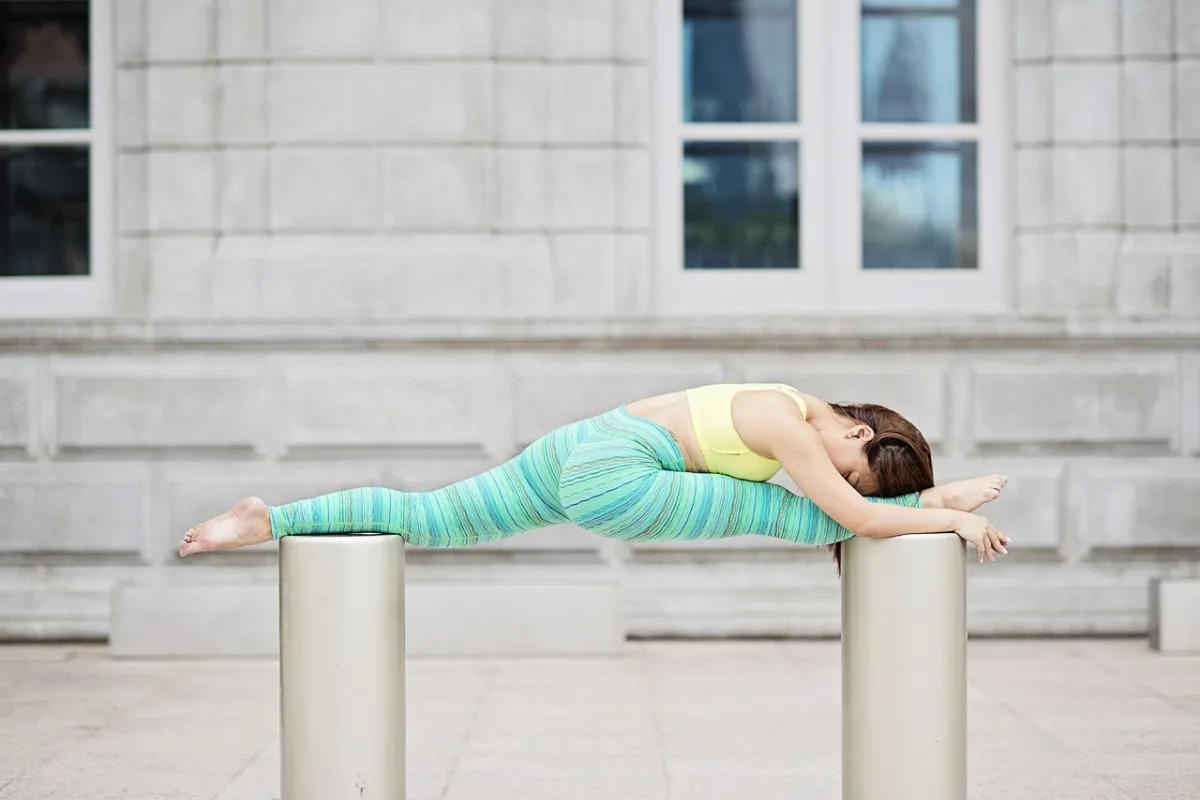
Physical activity, too, has undergone a metamorphosis. Traditional gym-goers are increasingly flocking to the city’s expansive coastline for sunrise yoga sessions and meditative beach walks. Fitness experts in the region note that clients are prioritizing ‘attentive movement’—exercises that emphasize mental focus and breathwork—over the high-intensity, ego-driven training models that dominated previous years.
Expert Perspectives on Behavioral Shifts
Sociologists observing the trend suggest that this behavior is a coping mechanism for the encroaching digital noise of the 21st century. Dr. Anjali Rao, a regional wellness consultant, notes that the shift is driven by a profound desire for ‘cognitive decompression.’ According to Rao, the psychological benefits of integrating nature, such as the city’s proximity to the Eastern Ghats and the Bay of Bengal, are finally being recognized as essential rather than optional components of mental health.
Implications for Industry and Lifestyle
The rise of slow living is beginning to reshape the local economy, influencing everything from urban planning to hospitality. Real estate developers are starting to emphasize ‘green spaces’ and communal gardens in new residential projects to meet the demand for environments that facilitate slow-paced living. Furthermore, the local tourism sector is pivoting toward immersive, eco-friendly experiences that encourage visitors to engage deeply with the local culture rather than engaging in rapid sightseeing.
What to Watch Next
As the slow living movement matures, industry analysts expect to see a surge in specialized services catering to wellness-focused urbanites, including community-supported agriculture and mindfulness-based corporate wellness programs. Observers should monitor whether this trend remains a boutique lifestyle choice or evolves into a structural change in how the city manages its public spaces and urban development policies. The coming year will likely reveal if these habits can scale to include broader demographics or if they will remain a luxury for the city’s more affluent sectors.