




Iranian authorities executed three individuals this week following their alleged involvement in anti-government protests, marking a significant escalation in the state’s crackdown on domestic dissent. The executions follow a period of intense instability triggered by a U.S.-Israeli military operation on February 28, which has exacerbated regional tensions and fueled internal unrest across Iran.
Context of the Escalating Crackdown
The Iranian government has intensified its security posture significantly since the February 28 strike, which targeted military infrastructure linked to regional proxies. This external pressure has historically prompted the state to consolidate internal control through stricter enforcement of public order laws.
Human rights organizations, including Amnesty International and Human Rights Watch, have documented a sharp rise in arrests and judicial sentencing since the regional conflict began. These legal actions are frequently framed by state media as necessary measures to prevent foreign-backed sabotage.
Judicial Measures and Public Unrest
The three individuals executed were reportedly convicted on charges of “moharebeh,” or waging war against God, a capital offense in the Iranian penal code often applied to those participating in violent anti-state activities. Reports from local judiciary officials indicate that these trials were conducted behind closed doors, limiting public access to legal proceedings.
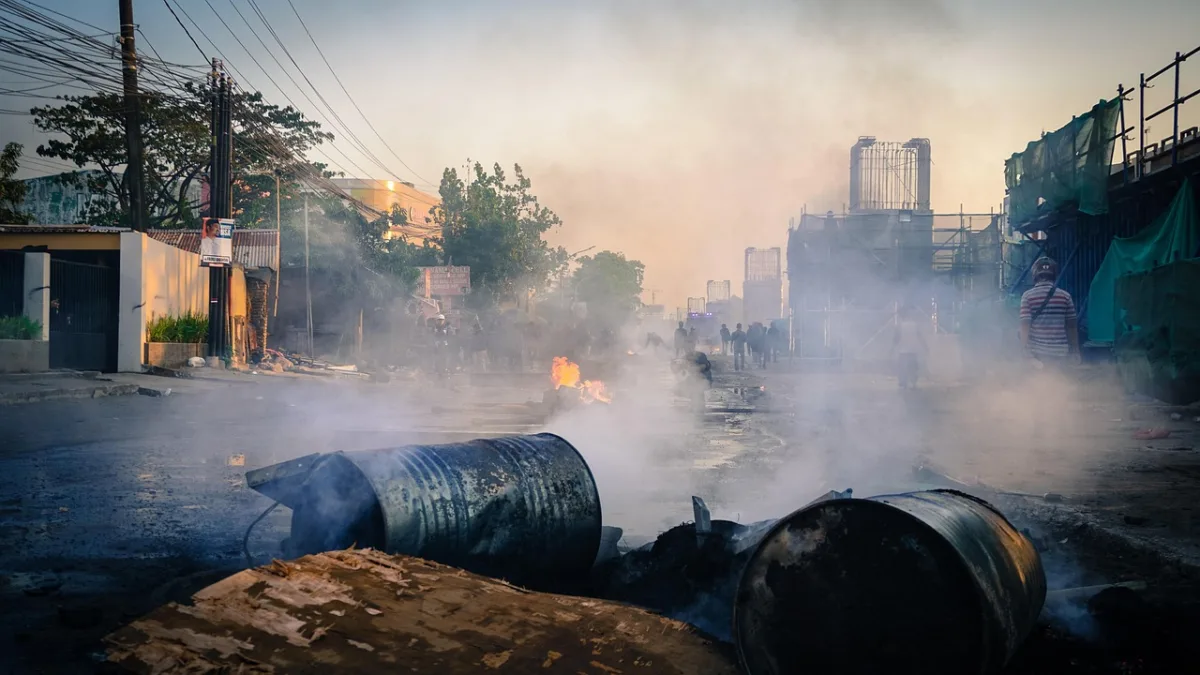
Opposition groups outside the country argue that these executions are intended to project strength during a period of geopolitical vulnerability. The timing of these sentences coincides with scattered demonstrations in several major urban centers, where citizens have voiced frustrations over both economic stagnation and the government’s foreign policy maneuvers.
Expert Perspectives on Regional Stability
Geopolitical analysts suggest that the state’s reliance on capital punishment serves as a deterrent against further civil disobedience. “When the regime feels threatened by external military actors, it tends to prioritize internal security above all else,” says Dr. Arash Alami, a regional security fellow at the Middle East Policy Institute.
Data from the Abdorrahman Boroumand Center, which tracks human rights in Iran, indicates that the rate of state executions has reached its highest level in several years. This trend is causing alarm among international observers, who fear that the judicial system is being utilized as a primary tool of political suppression.
Implications for the Future
For the average Iranian citizen, the current climate signals a period of extreme caution, as the threshold for state intervention has lowered significantly. The business community also faces uncertainty, as the combination of regional conflict and domestic volatility threatens to further isolate the economy from international markets.
Moving forward, international monitors will be watching for potential sanctions from Western nations in response to these human rights violations. The critical question remains whether the government will continue its hardline strategy or attempt to stabilize the domestic front through concessions as regional military pressures continue to mount.