




Deepening Ties Across the Pacific
Japan and Australia officially committed to a strengthened strategic partnership this week, formalizing plans to deepen cooperation across energy, defense, and the critical minerals sector. The agreement, announced by high-ranking officials from both nations, aims to address regional security concerns while securing supply chains essential for the transition to green energy.
This diplomatic pivot comes as both Tokyo and Canberra face heightened geopolitical pressure in the Indo-Pacific region. By aligning their industrial and security policies, the two nations intend to create a more resilient framework to counter supply chain vulnerabilities and regional volatility.
The Energy and Resource Foundation
The foundation of this bilateral relationship remains deeply rooted in energy security. Australia currently serves as a vital energy partner, providing nearly 50 percent of Japan’s total liquefied natural gas (LNG) imports.
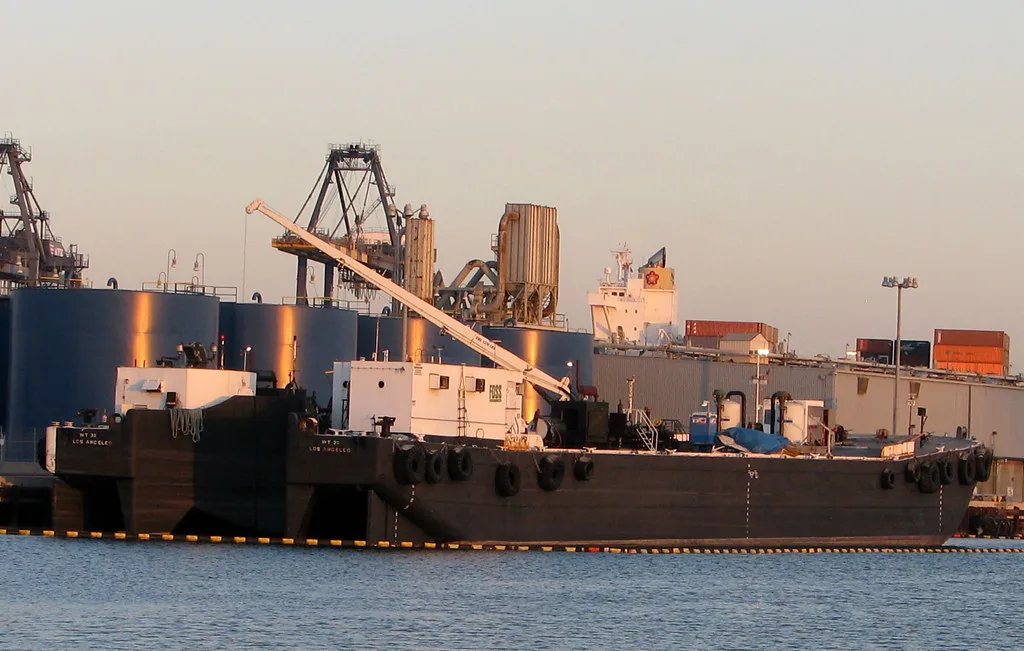
Conversely, Japan acts as one of Australia’s top five suppliers of refined gasoline and diesel. This reciprocal dependency has long served as a stabilizing force in the economic relationship between the two island nations.
Beyond traditional fuels, the new agreement emphasizes the development of critical minerals. As global demand for electric vehicle batteries and renewable energy technology surges, both nations recognize that securing a steady supply of rare earth elements is a matter of national economic interest.
Strategic Defense Alignment
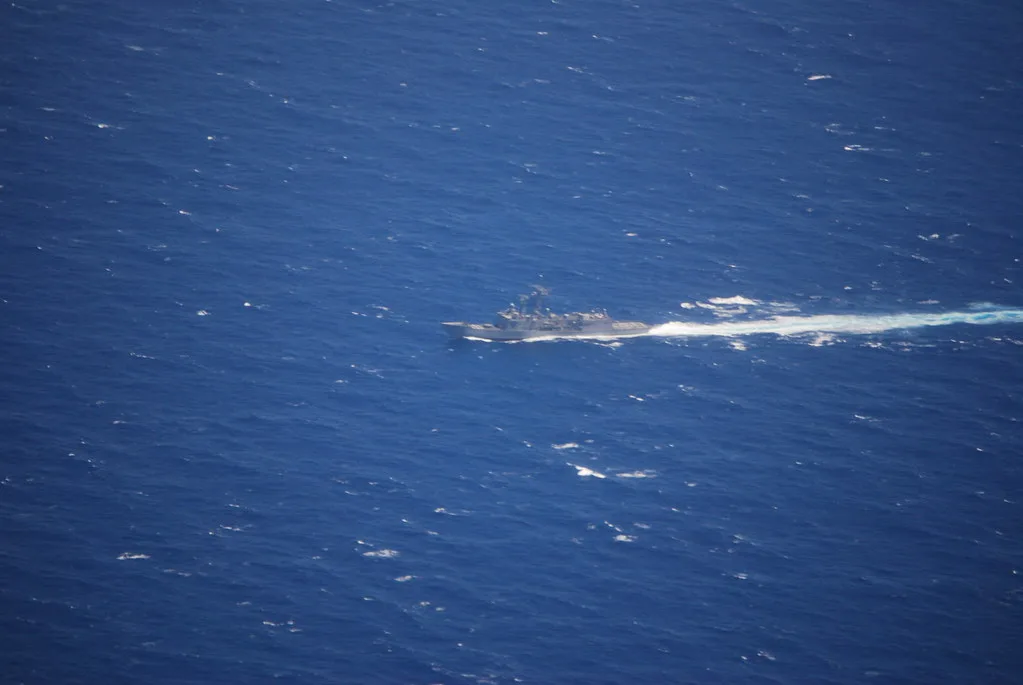
Defense cooperation has emerged as a central pillar of the expanded partnership. With the Indo-Pacific security landscape shifting, both governments are looking to increase joint military exercises and technology sharing.
Analysts suggest that this closer military alignment serves as a strategic hedge against regional instability. By integrating their defense capabilities, Japan and Australia are signaling a commitment to maintaining a rules-based order in the maritime corridors that facilitate their trade.
The agreement also includes provisions for intelligence sharing and cybersecurity collaboration. These measures are designed to protect critical infrastructure from non-traditional threats, including digital sabotage and economic coercion.
Expert Perspectives on Strategic Integration
Economic analysts point out that this deal goes beyond mere trade. According to recent trade data, the integration of Australian mineral extraction with Japanese manufacturing technology creates a high-value supply chain that is difficult for competitors to replicate.
“The synergy between Japan’s technological prowess and Australia’s resource wealth creates a powerful economic bloc,” noted one regional trade expert. “By formalizing this, they are effectively insulating their industries from external supply shocks that have plagued global markets in recent years.”
However, experts caution that the success of these initiatives will depend on the speed of implementation. Regulatory hurdles and environmental standards regarding mining operations remain potential friction points that must be navigated as projects move from the planning phase to active extraction.
Looking Ahead: Future Implications
The immediate impact of this partnership will likely be felt in the energy markets, where long-term contracts for LNG are expected to see more stability. For the broader industry, the focus will now shift toward the development of hydrogen supply chains, which both nations have identified as a key priority for future cooperation.
Observers should watch for upcoming joint investments in mining infrastructure across Western Australia. These projects will serve as a bellwether for the effectiveness of the new, closer diplomatic ties. Furthermore, the expansion of maritime security patrols in the South China Sea will indicate the depth of the new defense commitments as both nations test their operational interoperability in the coming months.