





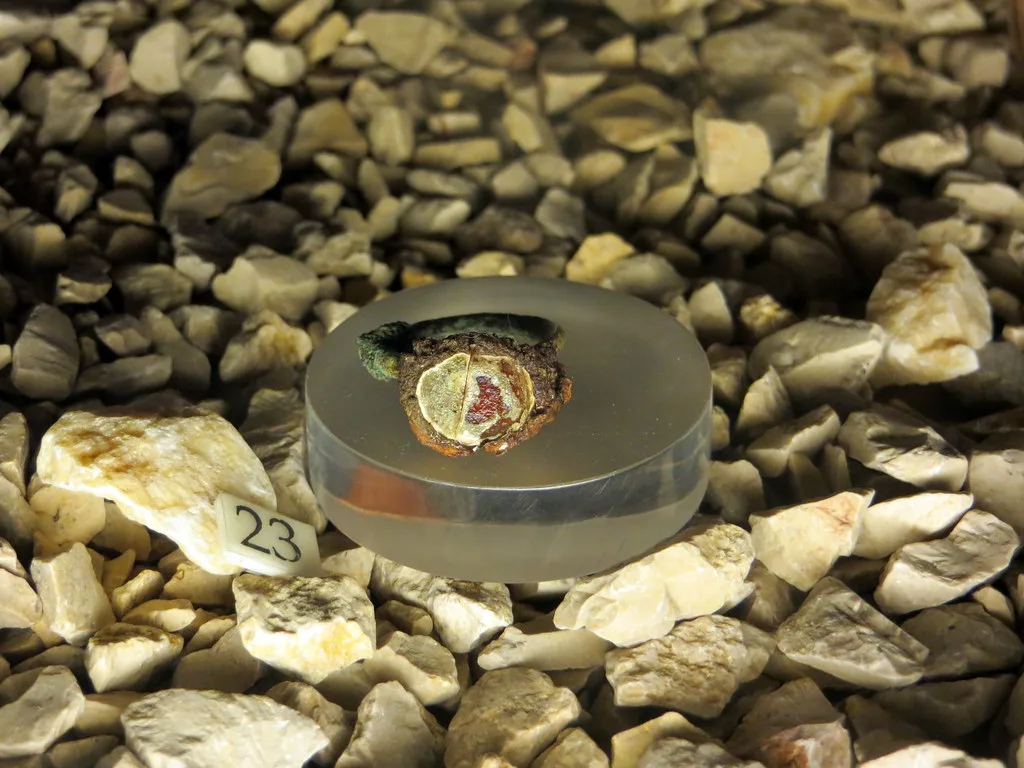
A rare Roman-era gold ring, discovered by an amateur metal detectorist near Ilminster, Somerset, in 2018, was sold at auction this week for more than $100,000. The artifact, which had remained in private hands following its initial discovery, attracted significant international interest from collectors and historians due to its exceptional craftsmanship and historical preservation.
The Context of Roman Britain
The Ilminster region is historically significant, often yielding archaeological finds that shed light on Roman occupation in Britain, which spanned from 43 AD to 410 AD. Metal detecting has become a vital, albeit controversial, method for uncovering such heritage, often bridging the gap between amateur hobbyists and professional archaeological institutions.
Expert Analysis of the Artifact
Archaeologists describe the ring as a sophisticated piece of jewelry, likely belonging to a member of the elite Roman-British society. The intricate design features high-purity gold, suggesting that the owner held a position of wealth or status within the local Roman administrative structure.
“The quality of the metalwork is indicative of high-status Roman craftsmanship,” noted a representative from the auction house overseeing the sale. “Such pieces are rarely found in this condition, making it a significant addition to the study of Roman decorative arts in the British Isles.”
The Role of Metal Detecting
The discovery highlights the ongoing debate surrounding the Treasure Act 1996 in the United Kingdom, which requires finders to report significant archaeological items. While many detectorists work closely with local museums, the commercialization of such finds remains a point of contention among heritage preservationists who argue that artifacts of this caliber belong in public collections.
Data from the British Museum’s Portable Antiquities Scheme (PAS) shows that tens of thousands of items are recorded annually by the public. However, only a fraction reach the level of historical importance and monetary value associated with the Ilminster Ring.
Market Implications and Future Outlook
The high sale price signals a robust market for ancient artifacts, reflecting a growing global demand for provenance-verified historical items. Collectors are increasingly viewing these antiquities as stable assets, driving prices upward at specialized auctions.
Industry experts are now watching to see how potential legislative updates regarding the reporting of historical finds will influence the hobby. As metal detector technology continues to improve, the frequency of such high-value discoveries is expected to rise, potentially leading to more rigorous standards for public reporting and the preservation of archaeological contexts.