





Tamil cinema superstar Vijay formally transitioned into the political arena this week, positioning his newly minted party, Tamizhaga Vetri Kazhagam (TVK), as a significant challenger in Tamil Nadu’s entrenched political landscape. Following a massive inaugural conference in Vikravandi, the actor-turned-politician signaled a definitive shift away from his decades-long film career to confront the state’s ruling Dravidian parties and national opposition forces head-on.
The Evolution of a Cinematic Icon into Political Challenger
Vijay, one of the highest-paid actors in Indian cinema, spent years cultivating a massive grassroots fan base through his ‘Makkal Iyakkam’ social welfare organization. This infrastructure provided the foundation for TVK, which was officially registered with the Election Commission of India earlier this year.
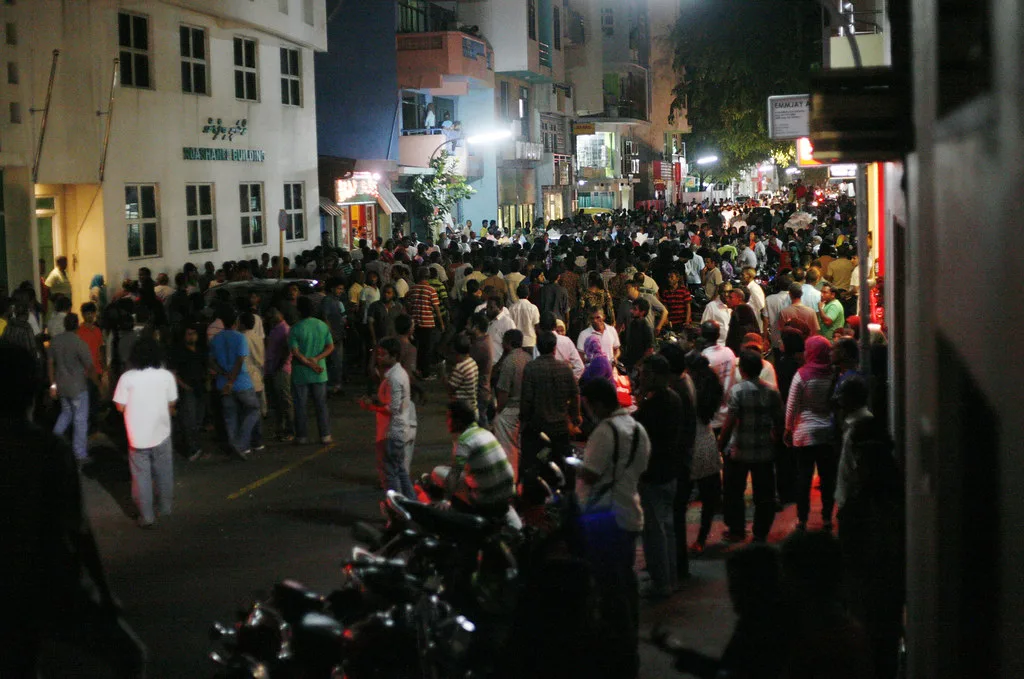
The party’s debut at the Vikravandi conference drew hundreds of thousands of supporters, marking one of the largest political gatherings in the state’s recent history. Analysts suggest that the sheer scale of the turnout underscores the actor’s ability to mobilize youth and first-time voters who have grown weary of traditional political discourse.
Ideological Positioning and Strategic Alliances
TVK has positioned itself as a secular, egalitarian force, distancing itself from the traditional binary of the Dravida Munnetra Kazhagam (DMK) and the All India Anna Dravida Munnetra Kazhagam (AIADMK). In his keynote address, Vijay emphasized principles of social justice, secularism, and administrative transparency.
Political analysts note that the party’s platform is carefully calibrated to appeal to a broad demographic. By focusing on anti-corruption and developmental governance, Vijay aims to capture the centrist vote that often feels unrepresented by the existing political poles.
Expert Perspectives on the Political Landscape
Data from recent polling indicates that approximately 40% of the Tamil Nadu electorate consists of voters under the age of 35, a demographic where Vijay maintains significant influence. Political scientist Dr. R. Selvaraj notes that while fan clubs do not always translate into electoral victories, the organizational structure of TVK is more sophisticated than previous attempts by celebrities to enter politics.
However, critics argue that the party lacks a clear policy blueprint for complex issues like water sharing, agricultural distress, and industrial policy. The challenge for TVK lies in transitioning from a personality-driven movement to an institution capable of sustaining long-term governance.
Implications for the 2026 Assembly Elections
The emergence of TVK injects a new variable into the 2026 Tamil Nadu Assembly elections, potentially fracturing the traditional vote banks. For the ruling DMK and the opposition AIADMK, the rise of a third major force necessitates a recalibration of their campaign strategies and outreach programs.
Industry observers are now monitoring how TVK navigates the transition from a fan-led movement to a registered political entity. The primary focus for the coming months will be the party’s ability to build district-level committees and articulate specific policy stances on critical state issues. Whether the star power of Vijay can survive the rigors of electoral politics remains the defining question for the state’s political future.