




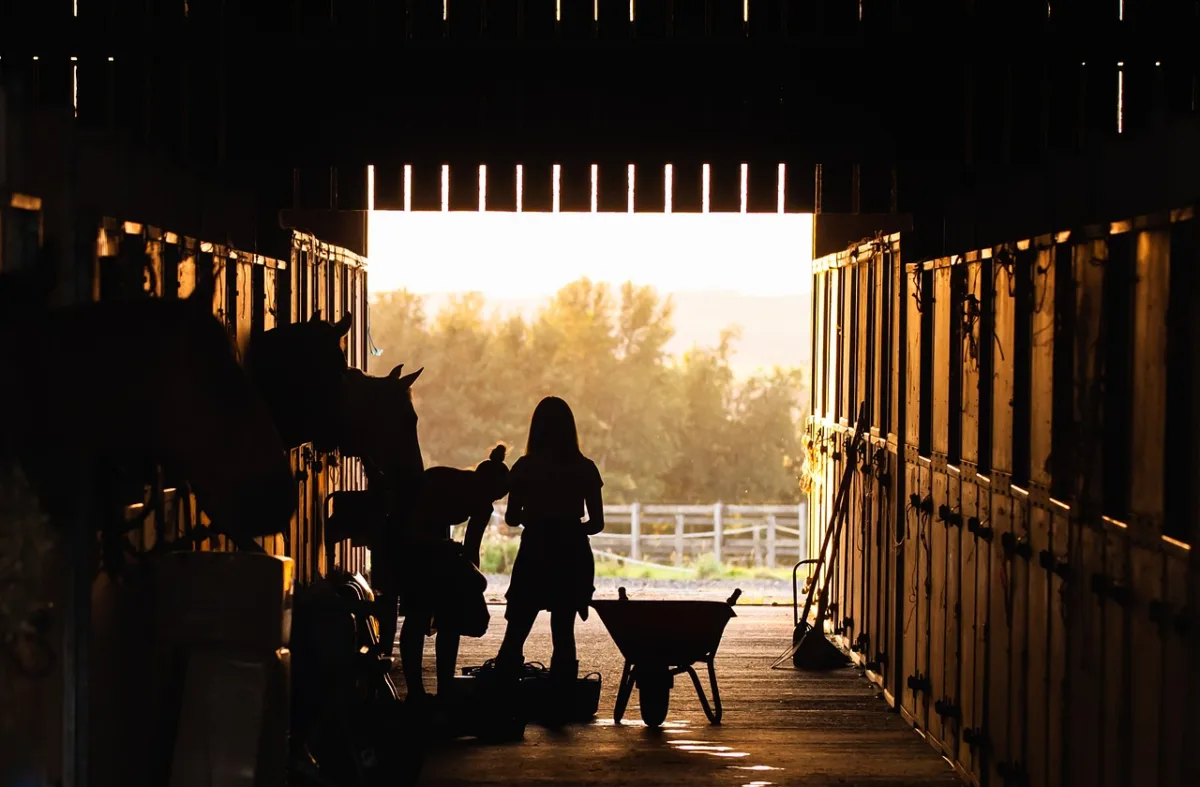
In a rapid display of agricultural solidarity, Nebraska ranchers Mike and Kayla Wintz have received over $80,000 in hay donations after a catastrophic wildfire decimated their 11,000-acre property earlier this month. The blaze, which swept through the ranch in less than two hours, destroyed critical feed supplies and infrastructure, leaving the couple’s livestock with no immediate source of sustenance. Since the incident, anonymous contributors from across the region have stepped forward to transport essential supplies to the Wintz operation, ensuring the survival of their herd during the recovery phase.
The Growing Threat of Wildfires in the Great Plains
Wildfires have become an increasingly frequent and volatile threat to the Great Plains, driven by prolonged droughts, low humidity, and high-wind events. According to data from the National Interagency Fire Center, grassland fires often move with unpredictable speed, making containment efforts difficult for local fire departments that serve vast, rural territories. For ranching families, the loss of grazing land and stored winter feed represents not just a short-term crisis, but a significant financial blow that can jeopardize the viability of a multi-generational operation.
The Logistics of Agricultural Disaster Relief
The donation of $80,000 worth of hay is a logistical feat that highlights the interconnected nature of the farming community. Transporting large quantities of hay requires specialized equipment and significant fuel costs, often coordinated through local cooperatives and grassroots networks. These anonymous donors utilized social media platforms and regional agricultural forums to organize convoys, bypassing traditional supply chain disruptions to deliver aid directly to the Wintz ranch.
Expert Perspectives on Rural Recovery
Agricultural economists note that while insurance coverage often addresses structural damage, the loss of feed inventory and the immediate interruption of grazing cycles are frequently under-insured or overlooked. Dr. Sarah Jenkins, a specialist in agricultural risk management, explains that community-led relief acts as a vital safety net. “In rural economies, social capital is as important as financial capital, as these informal networks provide the immediate agility that formal disaster relief programs often lack,” Jenkins stated.
Implications for the Livestock Industry
The reliance on private donations underscores a persistent vulnerability in the livestock sector, where extreme weather events can wipe out months of preparation in minutes. As climate patterns continue to shift, industry experts are calling for more robust regional forage banks and improved emergency coordination protocols to mitigate the impact of future fires. The Wintz family’s experience serves as a case study for the necessity of resilient supply chains within the beef industry.
Looking Ahead
As the Wintz family begins the long process of rebuilding their fences and restoring the scorched earth, the agricultural community is monitoring the potential for further wildfire outbreaks as the dry season persists. Observers are now looking toward upcoming legislative sessions in Nebraska to see if state-level disaster relief policies will be adjusted to better support ranchers facing similar catastrophic losses. The focus remains on whether these grassroots relief efforts can be institutionalized to provide a more consistent framework for rural disaster recovery in the coming years.