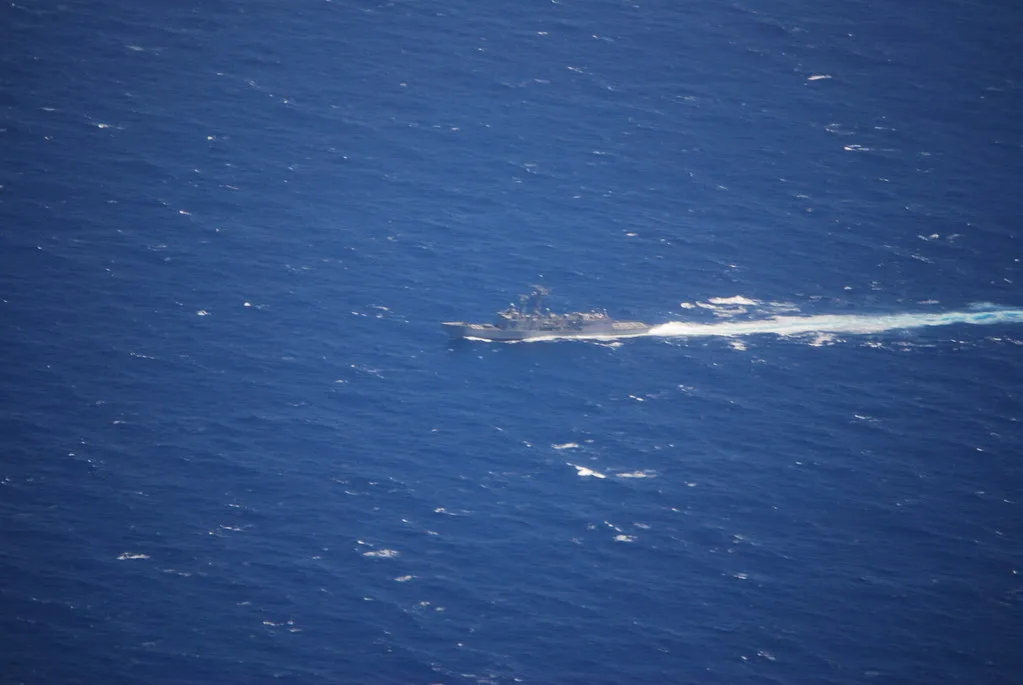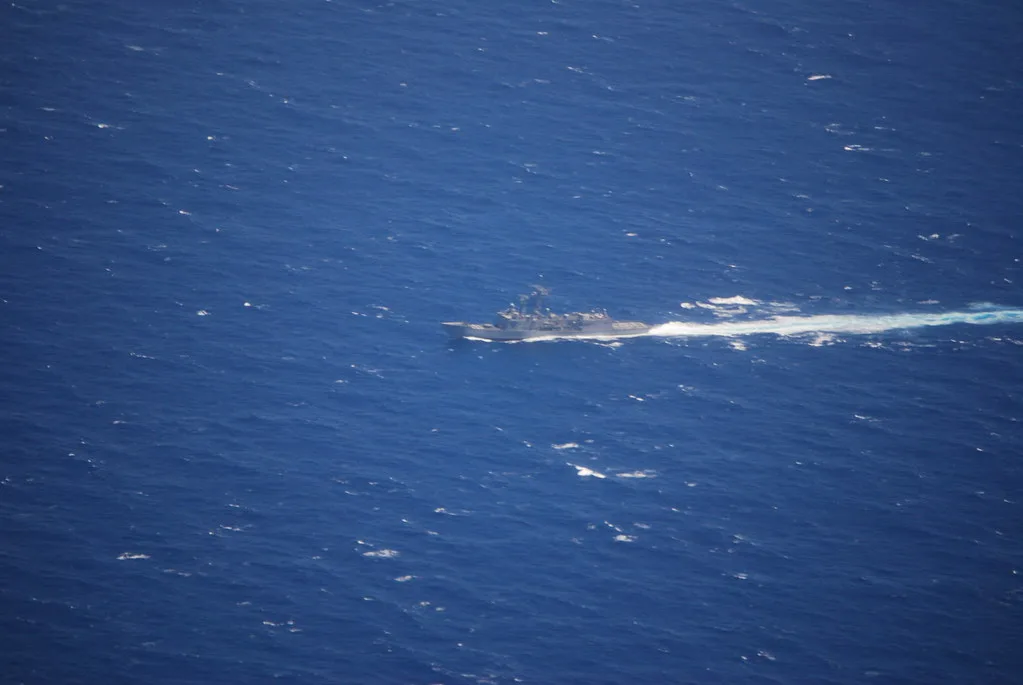





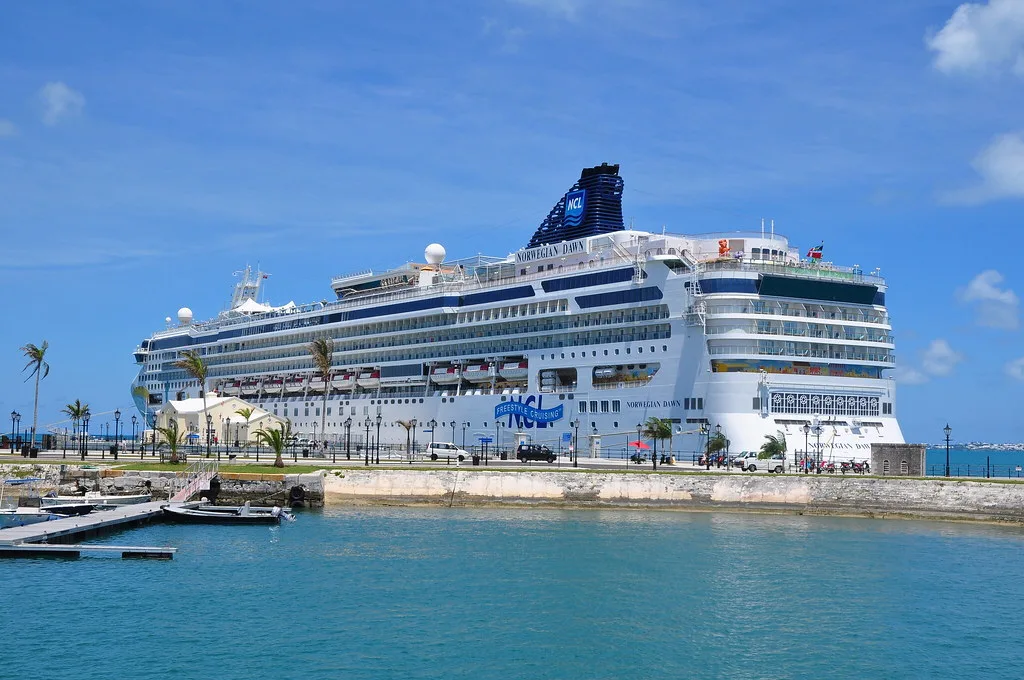
A suspected outbreak of the rare hantavirus has resulted in three deaths and at least three confirmed illnesses aboard a cruise ship currently navigating the Atlantic Ocean off the coast of West Africa, according to international health authorities. The incident, which emerged earlier this week, has prompted an immediate emergency response and the isolation of affected passengers as maritime and medical officials scramble to contain the pathogen’s spread.
Context and Pathological Background
Hantaviruses are a family of viruses typically spread through contact with the urine, feces, or saliva of infected rodents. While human-to-human transmission is extremely rare, the sudden cluster of cases in a contained maritime environment has raised urgent questions regarding the vessel’s sanitary protocols and vector control measures.
Historically, hantavirus pulmonary syndrome (HPS) is a severe respiratory disease that can progress rapidly to respiratory failure. Health experts note that the incubation period can range from one to eight weeks, making the identification of the primary source of infection a complex epidemiological challenge.
Current Response and Containment Efforts
The cruise line has implemented strict quarantine procedures, restricting movement between decks and halting all non-essential social activities. Medical teams are currently screening the remaining passengers and crew for early symptoms, which typically include fever, muscle aches, and fatigue.
International maritime health protocols dictate that any vessel reporting a cluster of communicable disease must notify the next port of call immediately. Authorities in the nearest coastal nations are coordinating with the World Health Organization (WHO) to establish a safe arrival and quarantine zone for the ship.
Expert Perspectives and Data
Epidemiologists warn that the unique environment of a cruise ship—characterized by high-density living and global travel—presents specific risks for the rapid transmission of zoonotic diseases. Dr. Elena Vance, an infectious disease specialist, noted that while hantavirus is not traditionally associated with cruise travel, the presence of rodents in storage areas or ventilation systems could serve as a potential transmission vector.
Data from the Centers for Disease Control and Prevention (CDC) indicates that hantavirus infections are usually sporadic, making this concentrated outbreak statistically significant. Researchers are currently analyzing environmental samples from the ship’s cargo holds and food storage areas to identify the specific rodent population responsible for the outbreak.
Industry Implications and Future Outlook
This crisis underscores the ongoing vulnerability of the cruise industry to emerging infectious diseases. For the broader travel sector, the incident serves as a stark reminder of the necessity for rigorous pest management and sanitation surveillance systems.
Stakeholders should monitor upcoming reports from the WHO regarding the source of the contamination, as these findings will likely trigger a review of international maritime health regulations. Future maritime voyages may soon face stricter requirements for health documentation and enhanced environmental inspections upon docking to prevent similar outbreaks from reaching shore.