





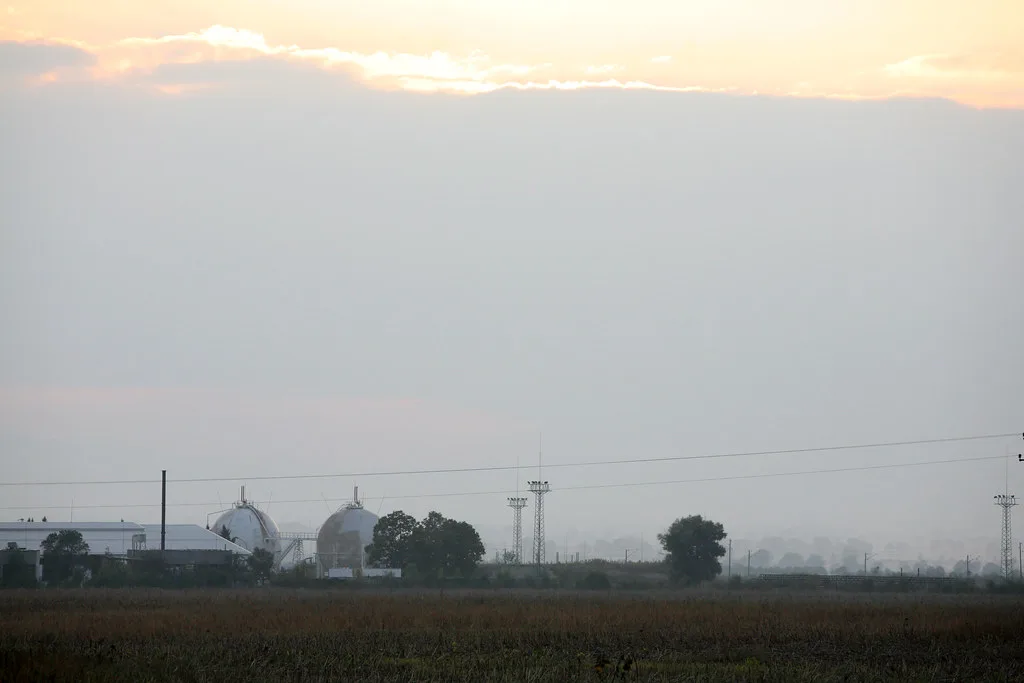
India experienced a significant 16% decline in Liquefied Petroleum Gas (LPG) consumption during April 2025, a sharp downturn attributed largely to the escalating conflict in West Asia. Data from the Petroleum Planning and Analysis Cell (PPAC) reveals that sales dropped to 2.06 million tonnes, marking a 10.5% decrease compared to the 2.45 million tonnes recorded in April 2024.
Context of the Energy Market
LPG serves as a critical fuel source for millions of Indian households, primarily utilized for cooking and heating. As a net importer of energy, India relies heavily on supply chains originating from West Asia to meet its domestic demand.
The current volatility in the region has disrupted traditional shipping routes and inflated global crude oil and natural gas prices. These market pressures have directly translated into supply chain bottlenecks, impacting the availability and affordability of LPG across the Indian subcontinent.
Supply Chain Disruptions and Market Dynamics
Industry analysts point to the ongoing conflict as the primary catalyst for the sudden contraction in consumption. Increased maritime risks in the Red Sea and surrounding areas have forced tankers to adopt longer, more expensive routes, resulting in higher landed costs for fuel importers.
While household demand remains relatively inelastic, the decline suggests a potential shift in industrial usage or a slowdown in commercial distribution networks. Furthermore, the volatility has prompted energy companies to exercise caution in inventory management, potentially leading to localized supply tightening.
Expert Perspectives on Energy Security
Energy market experts emphasize that the reliance on West Asian imports leaves India’s energy security susceptible to regional instability. Data from the International Energy Agency (IEA) highlights that such price spikes often force developing economies to rationalize consumption, particularly in the industrial and commercial sectors.
Government officials have yet to issue a formal directive on the decline, but industry stakeholders suggest that the drop may also reflect a correction following higher-than-average consumption patterns observed in the previous fiscal year. However, the correlation between regional conflict and supply volume remains the dominant narrative among market observers.
Broader Implications for the Industry
For the average consumer, this decline signals a period of uncertainty regarding fuel prices and potential subsidy adjustments. If supply remains constrained, the government may face pressure to intervene in domestic pricing to shield vulnerable populations from international market volatility.
The industry is now bracing for a period of sustained price fluctuations as the geopolitical situation remains fluid. Stakeholders are closely monitoring alternative supply sources and the potential for increased domestic biofuel integration to buffer against future import shocks.
Moving forward, market participants will track whether the consumption slide continues into the summer months or if strategic reserves and diversified supply lines can stabilize the market. The upcoming quarterly earnings for major state-run energy companies will provide further insight into the fiscal impact of these supply chain disruptions.