





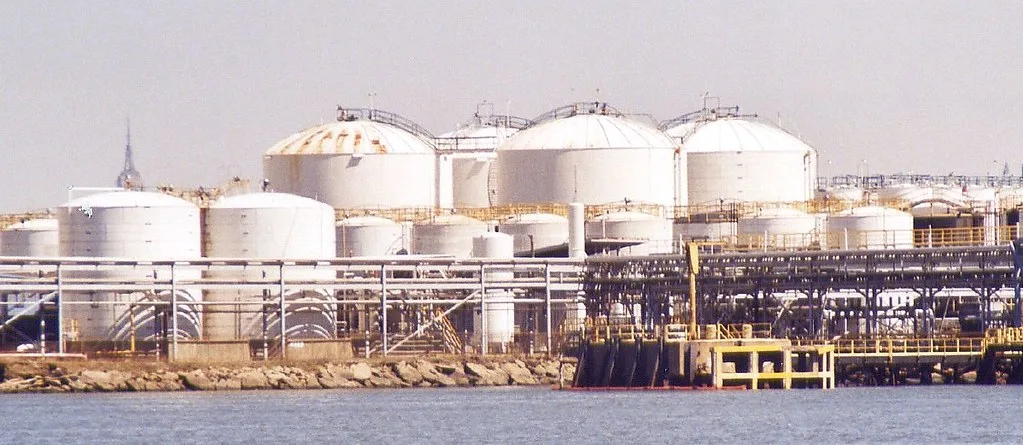
Strengthening National Energy Sovereignty
The Australian federal government has announced a comprehensive $10 billion Fuel Security and Resilience package, set to be unveiled in the upcoming federal budget to mitigate risks of domestic supply chain disruptions. Prime Minister Anthony Albanese, alongside key ministerial partners, confirmed the creation of a government-owned Australian Fuel Security Reserve designed to hold approximately one billion litres of essential fuel supplies. This strategic move aims to fortify the nation against global market volatility and potential geopolitical threats that could jeopardize energy availability.
Contextualizing Energy Vulnerabilities
For years, Australia has relied heavily on international supply chains for its liquid fuel requirements, often maintaining reserves that fall short of International Energy Agency (IEA) recommendations. The nation’s dependence on imported petrol, diesel, and jet fuel has made it increasingly susceptible to regional conflicts and shipping lane blockages. By transitioning to a more robust storage model, the government seeks to insulate the domestic economy from the types of shortages that have plagued other nations during periods of global instability.
Strategic Components of the Package
The financial commitment is divided into three primary segments: $7.5 billion for a new fuel and fertiliser security facility, $3.2 billion for the billion-litre reserve, and an additional $10 million in state and territory co-funding to investigate domestic production capabilities. Under the proposed framework, fuel suppliers will face stricter regulatory requirements, necessitating the maintenance of an additional 10 days of fuel inventory on top of current monthly reserves. This regulatory shift ensures a mandatory floor of 50 days of total fuel coverage across the nation.
Industry and Economic Perspectives
Energy analysts suggest that while the capital expenditure is significant, the move is a necessary hedge against systemic risk. Data from the Department of Climate Change, Energy, the Environment and Water has consistently highlighted the thin margins of error in Australia’s fuel supply chain. Industry stakeholders have noted that the investment in local storage facilities and the push for domestic capability could provide long-term stabilization for transport and agriculture sectors, which remain highly sensitive to price spikes and supply outages.
Future Implications for Energy Markets
The immediate impact of this policy will be felt by fuel wholesalers and retailers who must now adjust their logistics to meet the new 50-day buffer requirement. Looking ahead, the success of this package will hinge on the efficiency of the new fuel and fertiliser security facility and the government’s ability to coordinate effectively with state partners. Market observers should monitor the tender process for the construction of the new storage reserves and any subsequent legislative adjustments to fuel quality standards, as these will signal the government’s long-term commitment to energy independence.