



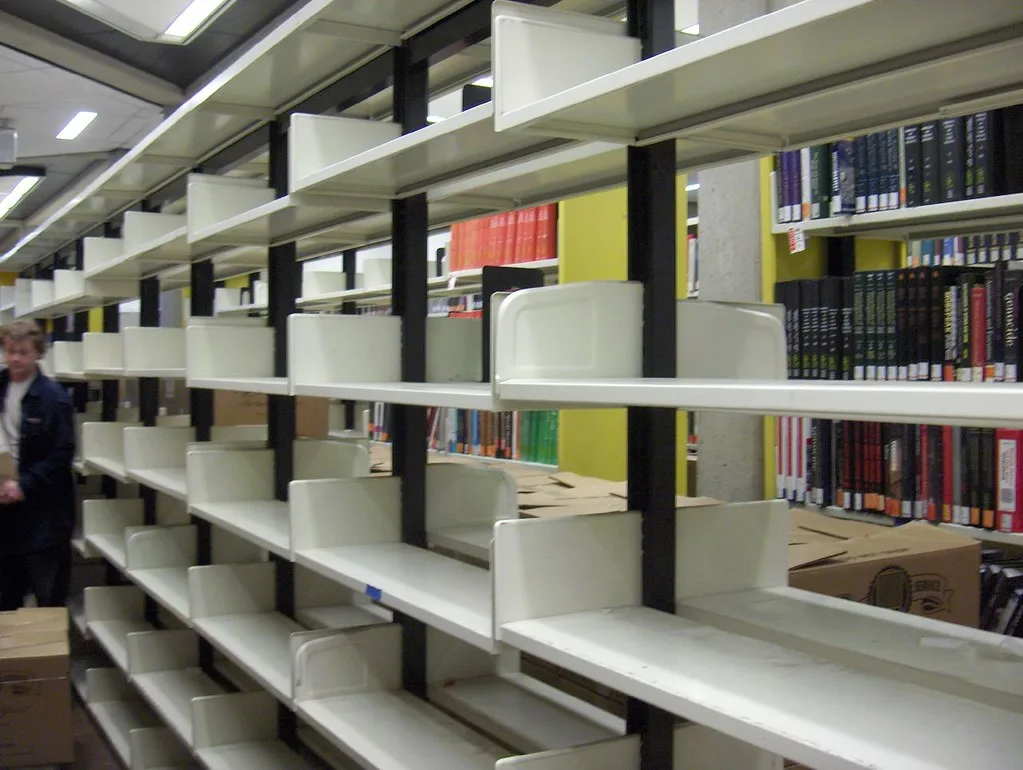
Educational Institutions Remove Works Following Author’s Guilty Plea
In a decisive move to protect student welfare, the West Australian Department of Education confirmed on May 6 that all books authored by Craig Silvey have been permanently removed from state school classrooms and library shelves. This action follows the 43-year-old writer’s appearance in Fremantle Court on May 5, where he formally pleaded guilty to charges of possessing and distributing child exploitation material.
Context of the Removal
The decision marks a definitive end to the presence of Silvey’s literature in the public education system. The materials had been initially suspended from school curricula in January following his arrest. Education Minister Sabine Winton stated that the gravity of the admitted offenses necessitated an immediate and permanent removal, emphasizing that such content is incompatible with the values of the school system.
Broader Implications for School Libraries
The removal of these texts highlights the ongoing tension between literary merit and the ethical standing of authors in an educational context. While Silvey was once a celebrated figure in Australian literature, his criminal conviction has forced school administrators to reconsider the appropriateness of maintaining his works in environments designed for minors. This development reflects a growing trend where institutions are prioritizing the safety and moral environment of the classroom over the historical popularity of specific authors.
Expert Perspectives and Policy Shifts
Educational policy experts note that school boards are increasingly adopting zero-tolerance policies regarding materials linked to individuals convicted of serious crimes. According to recent data from educational advocacy groups, the vetting process for school library collections has become more rigorous as districts navigate the balance between intellectual freedom and community safety standards. Legal analysts suggest that the decision is legally sound, as public education departments hold broad discretion in curating the materials provided to students under their care.
Future Considerations
The industry now faces a broader question regarding the curation of library collections and the potential for ‘de-platforming’ authors based on their personal conduct. As schools across Australia continue to evaluate their literary resources, stakeholders will be monitoring how these policies impact future curriculum development. Observers should watch for new guidelines regarding the audit process for library acquisitions and whether other states will follow Western Australia’s lead in codifying policies that link author conduct to the suitability of school literature.