




U.S. President Donald Trump is scheduled to travel to Beijing on May 14–15 to hold high-stakes bilateral talks with Chinese Communist Party (CCP) leader Xi Jinping. According to an insider with knowledge of the regime’s diplomatic planning, the summit will move beyond standard trade and technology discussions to include volatile geopolitical flashpoints, specifically the Taiwan Strait and the Strait of Hormuz.
Contextual Shifts in Global Diplomacy
The upcoming summit represents a rescheduled effort following the postponement of a planned March meeting, which was delayed by the escalating conflict involving Iran. This shift highlights the urgency with which both Washington and Beijing are approaching regional stability as global tensions flare in multiple theaters.
Strategic Focus: Taiwan and the Middle East
The inclusion of the Taiwan Strait on the agenda signals that the status of the self-governing island remains a central friction point in U.S.-China relations. Beijing continues to assert sovereignty over Taiwan, while Washington maintains its commitment to the Taiwan Relations Act, creating a delicate balancing act for both leaders.
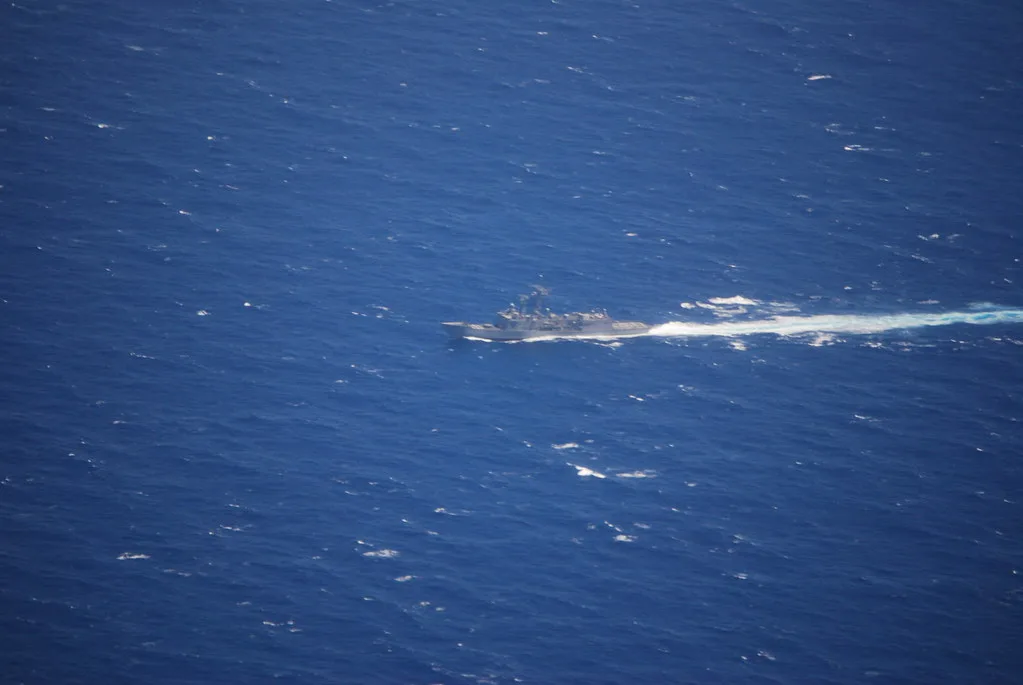
Simultaneously, the Strait of Hormuz has emerged as a critical concern due to its status as a global energy artery. With ongoing instability in the Middle East, any disruption in this maritime chokepoint could trigger a global energy crisis. Analysts note that China, as a major importer of Middle Eastern oil, has a vested interest in maritime security, potentially creating a rare, if narrow, window for cooperation with the United States.
Expert Perspectives and Economic Pressures
While the diplomatic discourse focuses on security, economic volatility remains the backdrop for these discussions. President Trump has signaled that trade and technology remain top priorities, acknowledging the role of economic leverage in shaping national security outcomes. Industry analysts suggest that the intersection of trade policy and military posturing is becoming increasingly blurred.
According to recent economic data, global supply chains remain highly sensitive to disruptions in the Strait of Hormuz. Experts from the Atlantic Council have repeatedly warned that any escalation in the region could drive up oil prices, placing additional strain on the global recovery and domestic inflation rates in both the U.S. and China.
Implications for the Global Order
For the business community and international observers, the summit serves as a barometer for future geopolitical stability. Should the two leaders establish a framework for communication regarding these maritime corridors, it could signal a tactical cooling of tensions. Conversely, a failure to reach an understanding regarding Taiwan could lead to increased military posturing in the Pacific.
Observers are closely watching for concrete statements regarding maritime freedom of navigation and trade continuity. The coming weeks will determine whether the dialogue results in tangible de-escalation or if these systemic rivalries will continue to dictate the trajectory of international markets and security alliances.