





Economic Pressures on the Agricultural Heartland
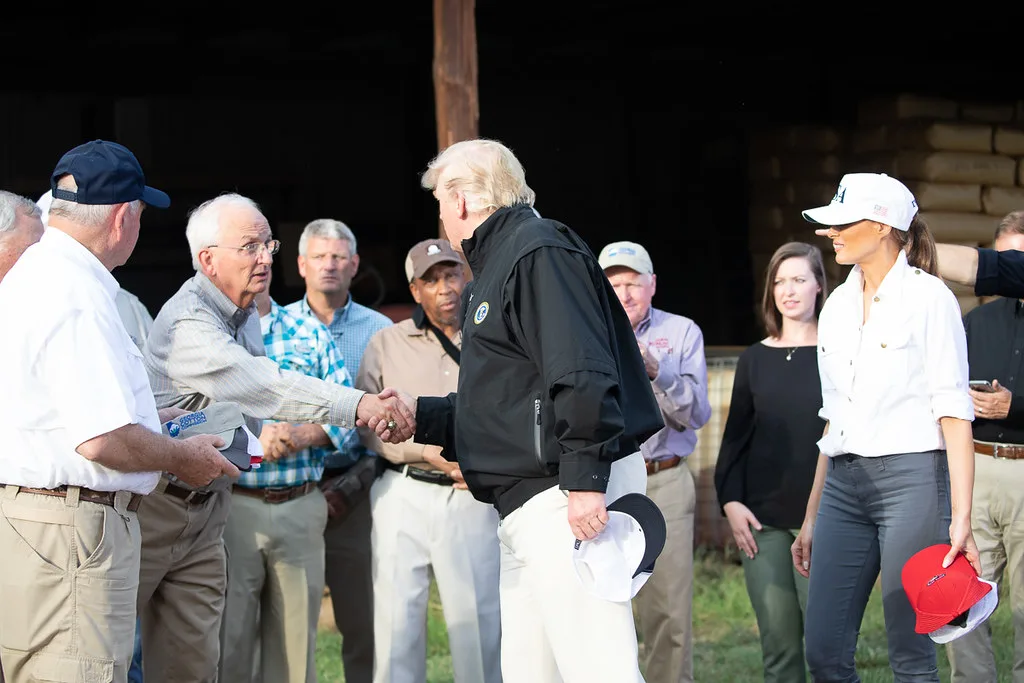
President Donald Trump visited Wisconsin this week to address a gathering of agricultural producers, aiming to reassure a critical voting bloc facing significant financial headwinds. Amidst a backdrop of escalating trade tensions and rising operational costs, the President acknowledged the difficulties currently plaguing the farming sector while maintaining a characteristic tone of casual detachment regarding his own involvement in the region.
The visit comes at a precarious time for American agriculture, as farmers grapple with the long-term effects of international tariff policies. These trade barriers have limited access to key export markets, forcing many producers to rely on government subsidies to offset losses. Recent data from the American Farm Bureau Federation indicates that net farm income has remained volatile, leaving many rural operations struggling to maintain profitability.
The Dual Burden of Tariffs and Fuel Costs
Beyond trade disputes, the agricultural sector is contending with a sharp increase in fuel prices, a trend exacerbated by geopolitical instability in Iran. Diesel and gasoline represent a substantial portion of a farm’s overhead, and the recent price spikes have squeezed margins for growers who were already operating on thin profit leads. The President addressed these concerns directly, though his rhetoric sparked debate regarding the efficacy of current economic strategies.
During his remarks, the President noted that he could have been home watching television, a comment that underscored his self-styled image as a leader who engages with his constituency only when necessary. This candid admission has drawn mixed reactions from political analysts, with some viewing it as an attempt to project authenticity, while others suggest it highlights a disconnect between the administration and the daily realities of the rural workforce.
Expert Analysis on Market Volatility
Agricultural economists suggest that the combination of tariff-induced market closures and energy price surges creates a compounding negative effect. According to the USDA’s latest economic report, the agricultural sector is increasingly sensitive to global geopolitical shocks. When fuel prices rise, the cost of transporting goods to market increases, further reducing the net income for farmers who are already receiving lower prices for their commodities due to retaliatory tariffs.
Industry advocates argue that while federal aid packages have provided temporary relief, they do not offer a sustainable path forward. The prevailing sentiment among many farmers is a desire for stable, open trade agreements that allow for consistent planning and investment. The uncertainty surrounding trade policy remains the single largest factor preventing long-term growth in the sector.
Implications for the Future of Rural Industry
The implications of this economic climate extend far beyond the immediate financial reports of individual farms. As rural communities face continued economic pressure, the demographic shifts and migration patterns toward urban centers are likely to accelerate. This trend threatens the long-term viability of rural infrastructure and the stability of the agricultural supply chain.
Looking ahead, observers should watch for potential adjustments to federal trade policies and any further interventions regarding energy subsidies. The upcoming harvest season will serve as a critical benchmark for the administration’s success in stabilizing the rural economy. Whether the current measures are sufficient to prevent further consolidation of family farms into larger corporate entities remains a central question for the industry’s future.