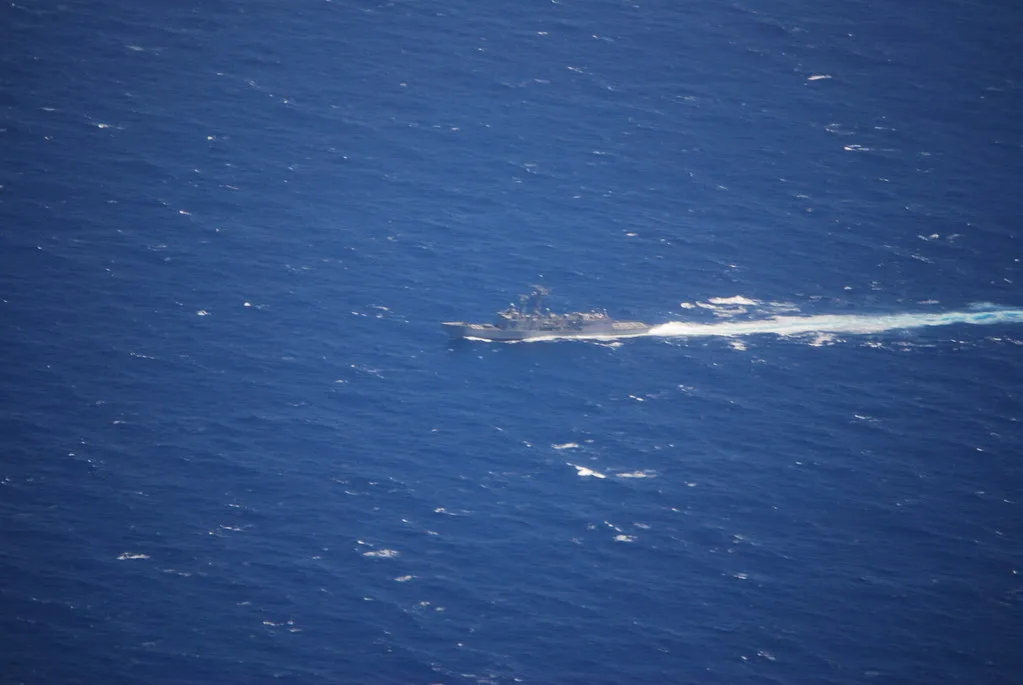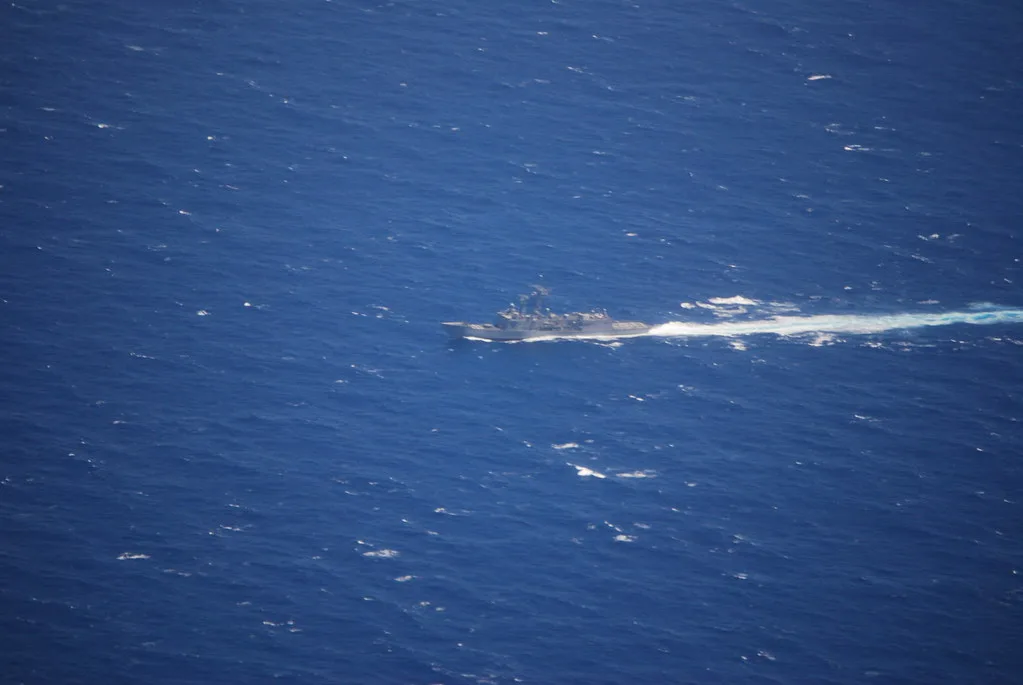






Health authorities have placed a cruise ship under strict quarantine off the coast of Africa following a suspected outbreak of hantavirus that has resulted in three fatalities. The vessel, which docked earlier this week, remains isolated as medical teams conduct emergency screenings of all passengers and crew to prevent the potential spread of the pathogen.
Understanding the Health Threat
Hantaviruses are a family of viruses primarily spread through contact with the urine, droppings, or saliva of infected rodents. While human-to-human transmission is extremely rare, the sudden cluster of deaths on a confined maritime vessel has triggered an immediate and aggressive public health response.
Maritime law grants port authorities significant latitude when managing infectious disease outbreaks on board. In this instance, local health officials have prohibited all disembarkation, effectively turning the ship into a floating containment zone while samples are processed at regional laboratories.
Operational Challenges at Sea
The logistics of managing an infectious outbreak on a cruise ship present unique challenges for health organizations. Unlike land-based facilities, cruise ships operate in relatively enclosed environments where shared ventilation systems and communal dining areas can accelerate the transmission of respiratory pathogens.
According to epidemiological experts, the primary concern for the ship’s remaining passengers is the identification of potential exposure vectors. If the virus originated from rodent populations that infiltrated the ship during a previous port call, the vessel must undergo a rigorous decontamination process before it can be cleared for future operations.
Data from the World Health Organization (WHO) indicates that hantavirus pulmonary syndrome (HPS) can progress rapidly once symptoms appear. The mortality rate for HPS can reach as high as 36 percent, making immediate medical intervention and strict isolation protocols critical to containing the threat.
Implications for the Maritime Industry
This incident highlights the ongoing vulnerability of the cruise industry to infectious diseases. Following the global health disruptions of recent years, cruise lines have invested heavily in enhanced medical facilities and onboard testing capabilities, yet the nature of shipboard environments remains a significant variable in disease control.
Industry analysts note that this event will likely force a re-evaluation of rodent control protocols and sanitation standards across global cruise fleets. As cruise ships continue to visit diverse international ports, the risk of biological contamination from local environments remains a constant operational hazard.
Looking ahead, the international maritime community will be watching how port authorities manage the quarantine duration and the subsequent medical clearance of the passengers. If the outbreak is confirmed as hantavirus, expect a surge in regulatory scrutiny regarding onboard pest management and emergency response preparedness. Future travel insurance policies and cruise line health disclaimers are also expected to undergo revisions to account for the heightened awareness surrounding rare but lethal pathogens.