




The Impact of Escalating Regional Conflict
Dubai International Airport (DXB), one of the world’s busiest aviation hubs, experienced a staggering 66% decline in passenger traffic this quarter as the United Arab Emirates (UAE) faces direct fallout from escalating regional hostilities. The downturn follows a series of drone attacks targeting airport infrastructure, a direct consequence of Iran’s retaliation strategy against recent U.S.-Israeli military operations in the region. These security threats have forced global carriers to reroute flight paths and suspend services, effectively paralyzing the UAE’s primary gateway to international commerce.
Contextualizing the Aviation Crisis
For decades, Dubai has positioned itself as the central transit point connecting East and West, thriving on stability and rapid connectivity. The recent drone strikes represent a significant shift in the risk profile of the Gulf, transforming what was once a secure transit corridor into a high-risk zone for civilian aviation. Historically, Dubai International has been a pillar of the UAE economy, contributing roughly 27% of the city’s GDP through tourism, logistics, and aviation-linked services.
Operational Disruptions and Economic Fallout
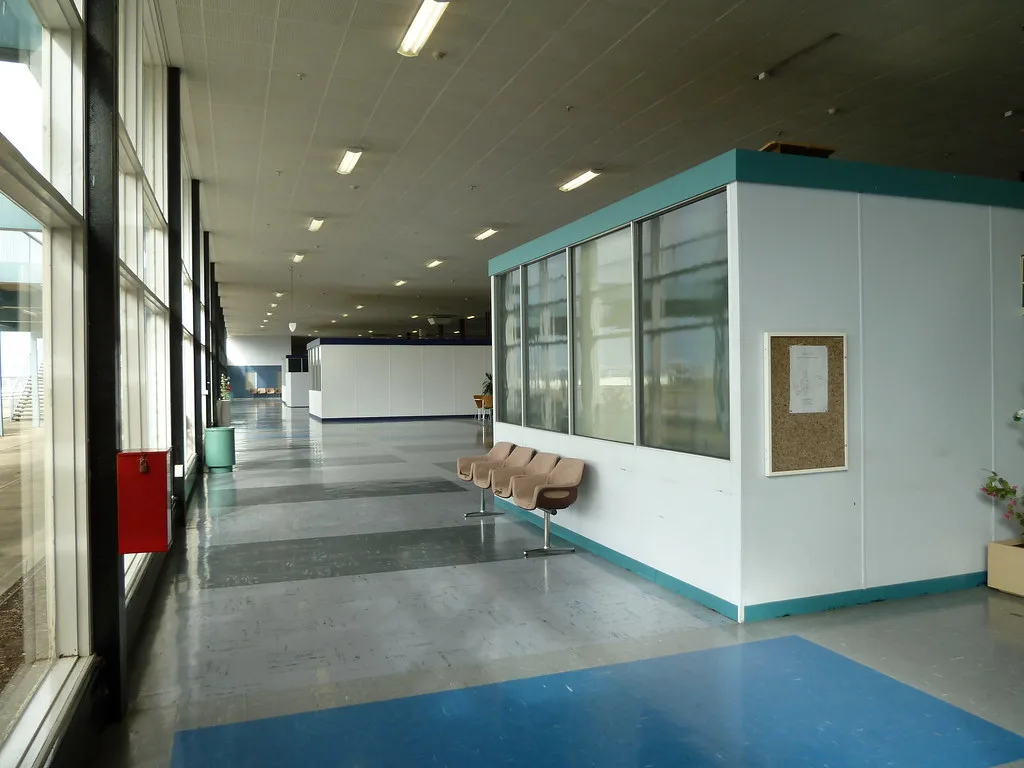
The operational challenges are widespread, as flight insurance premiums for carriers operating in the Gulf have spiked by nearly 400% in the last month. Major international airlines, including those from Europe and North America, have invoked ‘force majeure’ clauses to ground flights, citing the inability to guarantee passenger safety in a contested airspace. Ground crews at DXB report that terminal halls, typically bustling with millions of travelers, now remain largely empty, leading to a ripple effect that has shuttered hundreds of retail outlets and hospitality services within the airport complex.
Expert Perspectives on Regional Security
Aviation security analysts note that the vulnerability of large, fixed-infrastructure hubs like DXB is difficult to mitigate against low-altitude, autonomous drone technology. Dr. Aris Thorne, a senior fellow at the Global Aviation Security Institute, observes that, ‘The psychological impact on travelers is as damaging as the physical risk; once the perception of safety is compromised, passenger confidence takes years to rebuild.’ Data from the International Air Transport Association (IATA) suggests that regional traffic in the Middle East has contracted significantly, with DXB bearing the brunt due to its role as a primary intercontinental hub.
Industry Implications and Future Outlook
The current slump signals a potential long-term realignment of global travel routes, as airlines increasingly favor secondary hubs that remain outside the immediate conflict zone. For investors and stakeholders in the aviation sector, the immediate focus is on the implementation of advanced counter-drone radar systems and the potential for a prolonged period of reduced capacity. Looking ahead, the aviation industry will closely monitor the diplomatic efforts between the UAE and regional powers to de-escalate hostilities and restore confidence in the safety of Gulf airspace. The speed at which security protocols are modernized will determine whether Dubai can reclaim its status as the world’s premier transit hub or if the current traffic shift becomes a permanent fixture of the global aviation landscape.