


The Rise of Unconventional Tourism
In a rapidly shifting global landscape as of May 2026, the travel industry is grappling with three distinct phenomena: the rise of extremist-linked “disaster tourism,” the emergence of post-conflict birdwatching havens, and the enduring luxury of Grasse, France. These trends highlight how geopolitical stability, ideological extremism, and environmental conservation are fundamentally reshaping where and why people travel.
The Shadow of Disaster Tourism
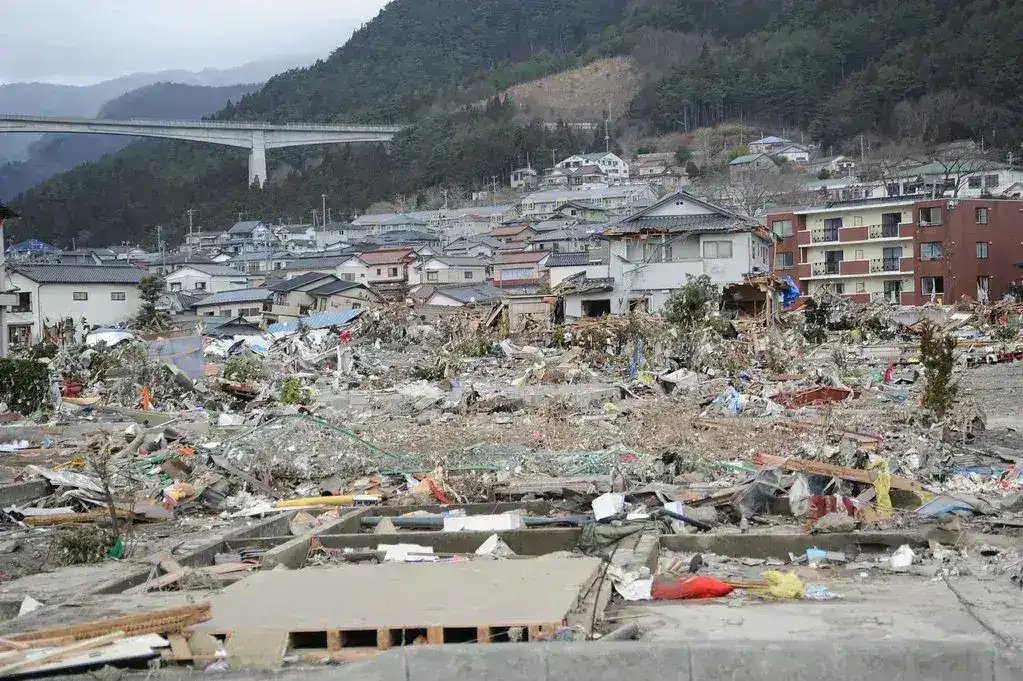
Recent reports indicate a troubling trend where disaster relief efforts following hurricanes have been infiltrated by white nationalist groups. These organizations utilize the chaos of natural disasters to recruit volunteers and gain a foothold in affected communities under the guise of humanitarian aid. Disaster management agencies are now warning local organizations to vet volunteer groups more stringently to prevent the exploitation of vulnerable populations.
This infiltration complicates the traditional “boots-on-the-ground” response model. Experts note that when extremist groups provide aid, they often curate media narratives to bolster their ideological platforms. Consequently, relief organizations are struggling to maintain neutrality while ensuring that resources reach those in need without political strings attached.
Birding in the Wake of Guerrilla Warfare
In a stark contrast to political volatility, former conflict zones are seeing an unexpected surge in eco-tourism, particularly among birdwatchers. Following the successful disarmament of long-standing guerrilla factions, previously inaccessible regions are now opening to international researchers and hobbyists.
The preservation of these areas during periods of conflict often kept industrial development at bay, inadvertently creating pristine habitats for rare bird species. Ornithologists report that these “birds of war”—species that thrived in the quieted, untraveled zones—are now drawing thousands of visitors. This influx of tourism is providing a critical economic lifeline to local communities that previously relied on illicit activities or subsistence farming.
The Enduring Legacy of Grasse
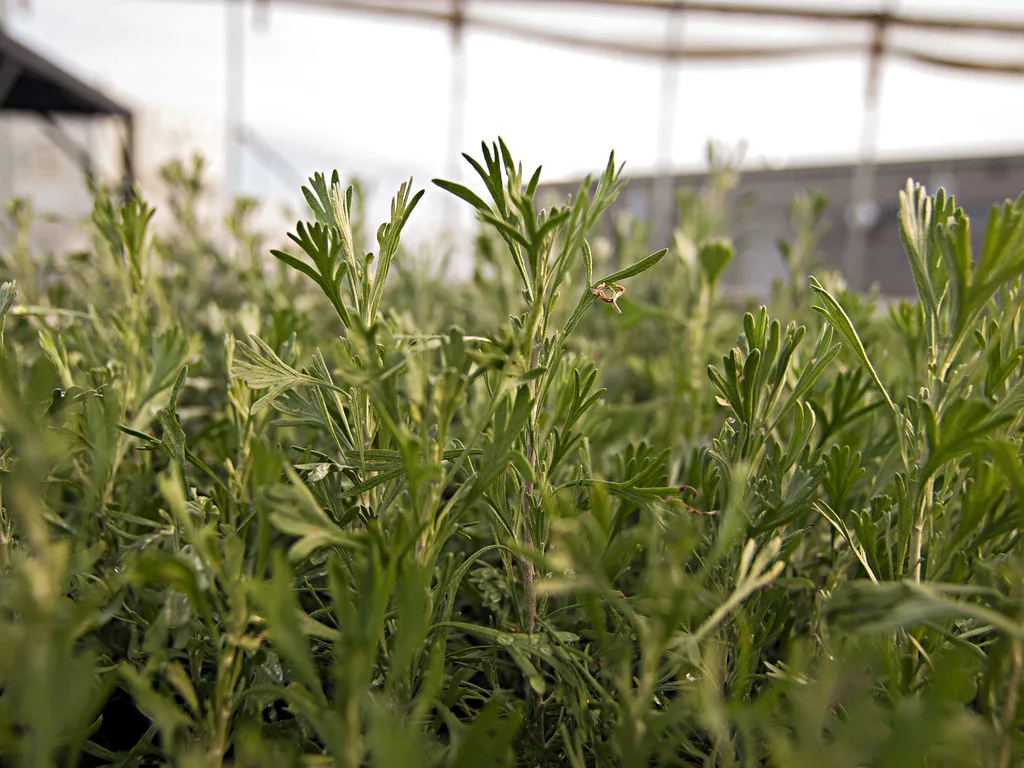
While some travelers seek the rugged terrain of post-conflict zones, others continue to flock to Grasse, France, the historic perfume capital of the world. The region remains the epicenter of the global fragrance industry, blending centuries-old artisanal traditions with modern luxury tourism.
Data from the French tourism board indicates that interest in “sensory tourism” has spiked by 15% over the last year. Visitors are increasingly seeking immersive experiences, such as harvesting jasmine and rose fields, which remain the backbone of the region’s high-end perfume houses. This trend suggests that despite the appeal of adventure travel, there is a resilient market for heritage-based, luxury cultural experiences.
Implications and Future Outlook
The diversification of these travel trends indicates that the tourism industry must adopt more nuanced risk-assessment strategies. For the humanitarian sector, the challenge lies in protecting the integrity of relief operations from ideological infiltration. For the travel industry, the success of post-conflict eco-tourism proves that conservation can serve as a viable post-war economic strategy.
Looking ahead, observers should watch for how international policy might regulate “volunteer tourism” to prevent exploitation by fringe political groups. Simultaneously, the growth of birding in formerly dangerous regions may serve as a model for how environmental conservation can stabilize fragile post-conflict economies. As the world continues to reopen, the intersection of tourism, politics, and ecology will likely become more pronounced, requiring travelers to be more discerning about the impact of their destinations.